

Science and nature
The universe, life and the human brain, in plain words. 43 books, each condensed into about twenty minutes.
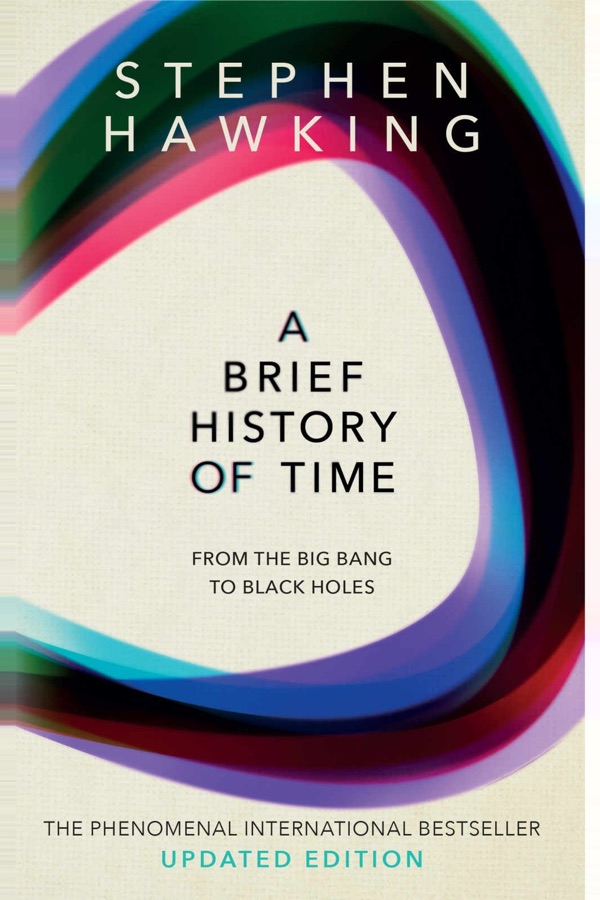 A Brief History of TimeStephen HawkingWhere did the universe come from, and how might it end? Stephen Hawking explains black holes, the big bang and the nature of time so anyone can follow.
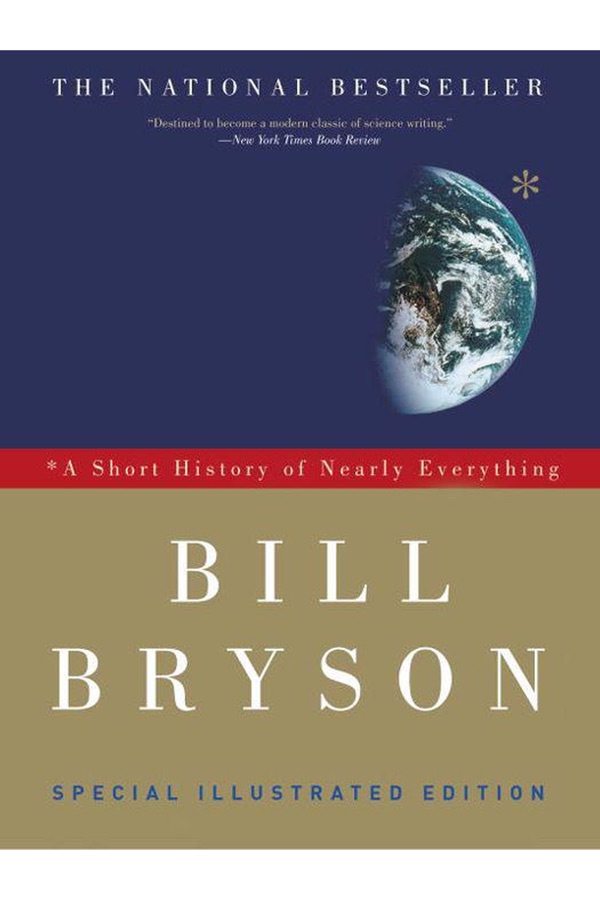 A Short History of Nearly EverythingBill BrysonA lively tour from the Big Bang to us, showing how eccentric, quarrelsome scientists worked out what we know about our universe and how much still remains unknown.
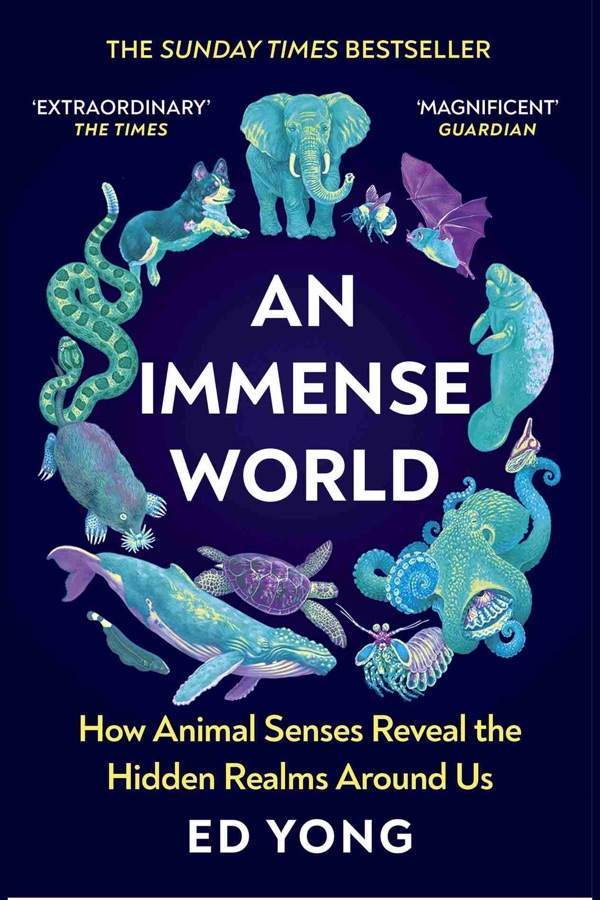 An Immense WorldEd YongA science journalist opens the hidden sensory worlds of animals, from a dog's smell and a bat's sonar to senses humans have never evolved at all.
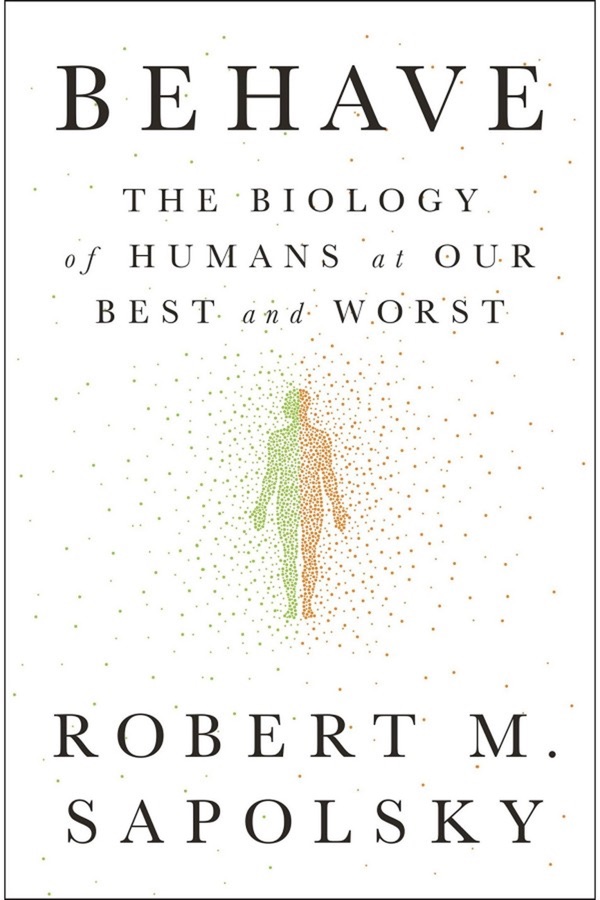 BehaveRobert M. SapolskyWhy we do what we do, traced backward from the second before an act to hormones, childhood, genes, culture and evolution, and what that means for violence, morality and blame.
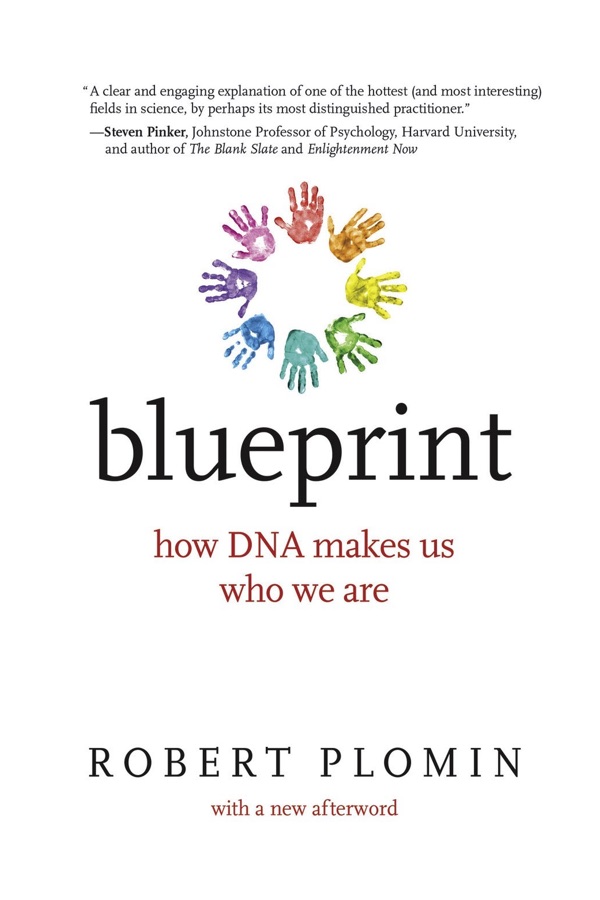 BlueprintRobert PlominSee what twin, adoption and DNA research really show about why people differ, and learn to read a polygenic score as a probability about groups, never a verdict about you.
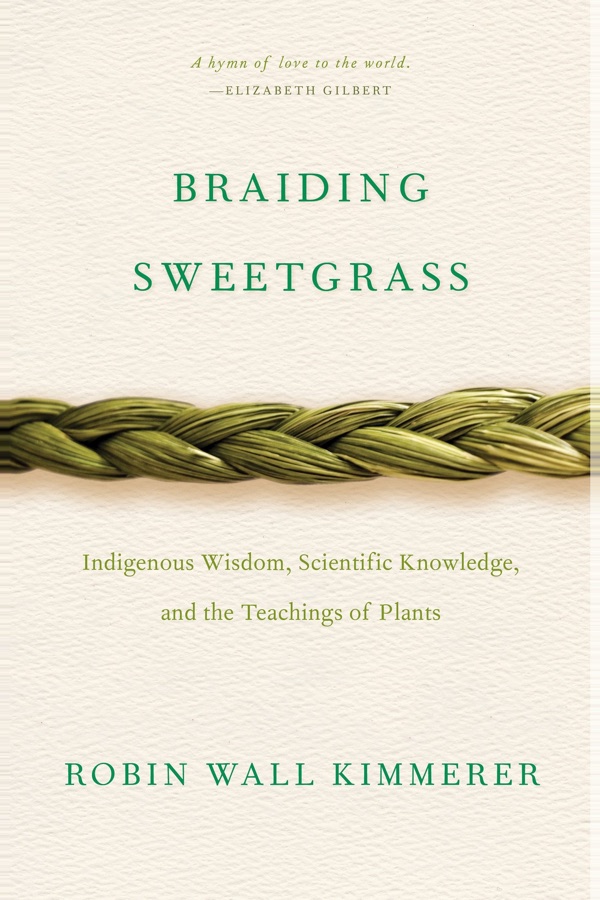 Braiding SweetgrassRobin Wall KimmererA Potawatomi botanist braids Indigenous teachings, plant science and her own life into essays on gratitude and reciprocity, and on how people and land can heal each other.
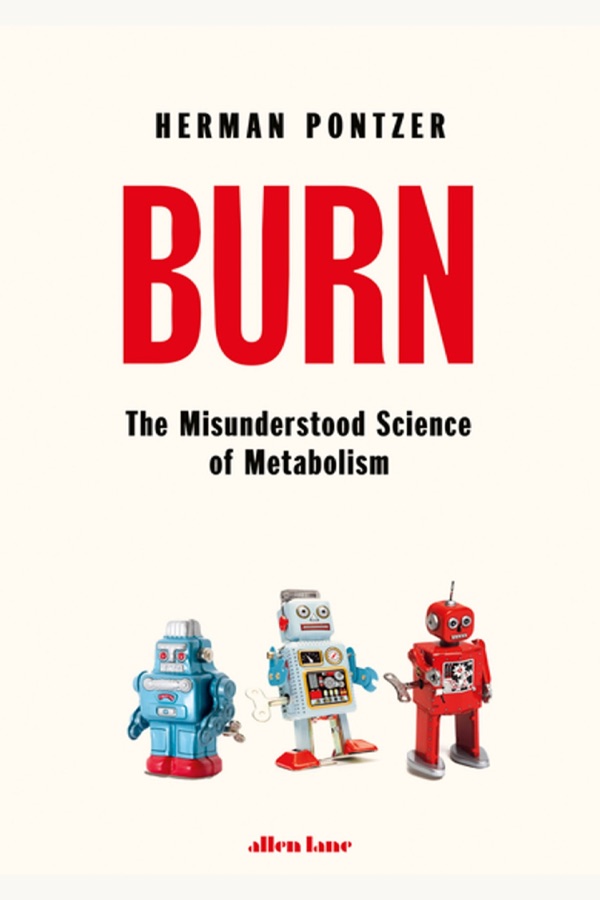 BurnHerman PontzerA clear guide to how metabolism allocates energy, why exercise improves health more than weight, and how diet, evolution, and environment shape the body.
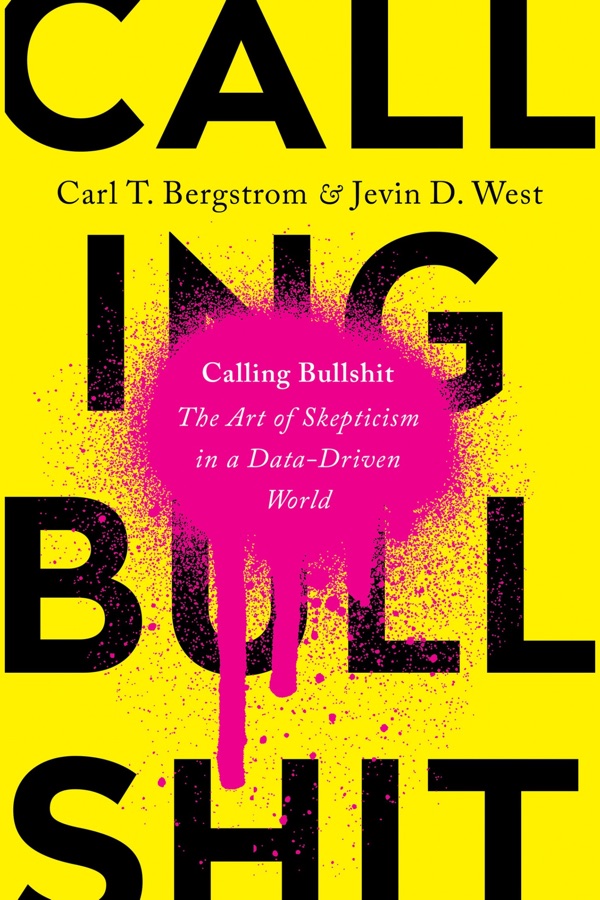 Calling BullshitCarl T. Bergstrom, Jevin D. WestA practical guide to exposing misleading data, weak causal claims, and persuasive statistics while preserving confidence in sound scientific correction.
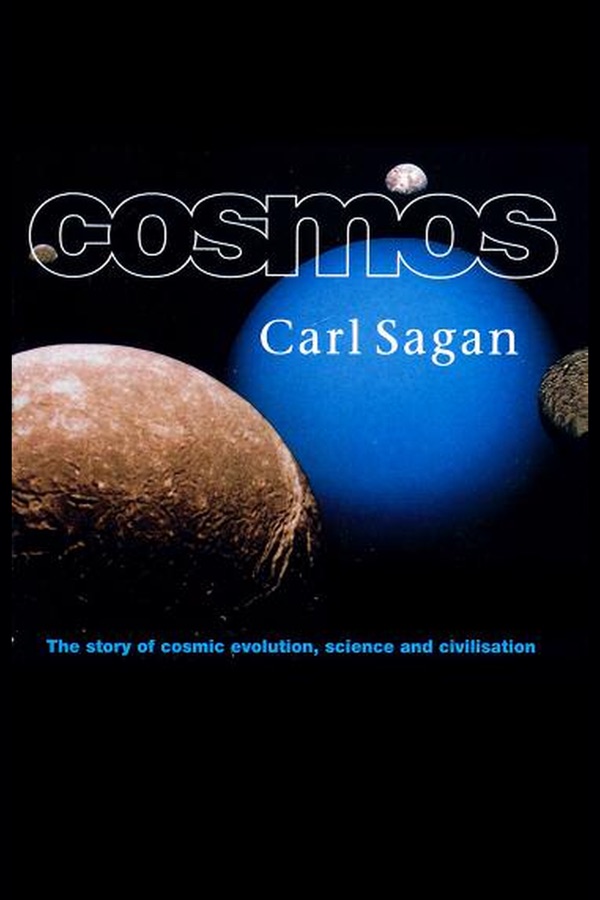 CosmosCarl SaganEratosthenes measures the Earth, Kepler finds the ellipse, Viking looks for life on Mars, and stars forge our atoms: a tour of the Cosmos we are part of.
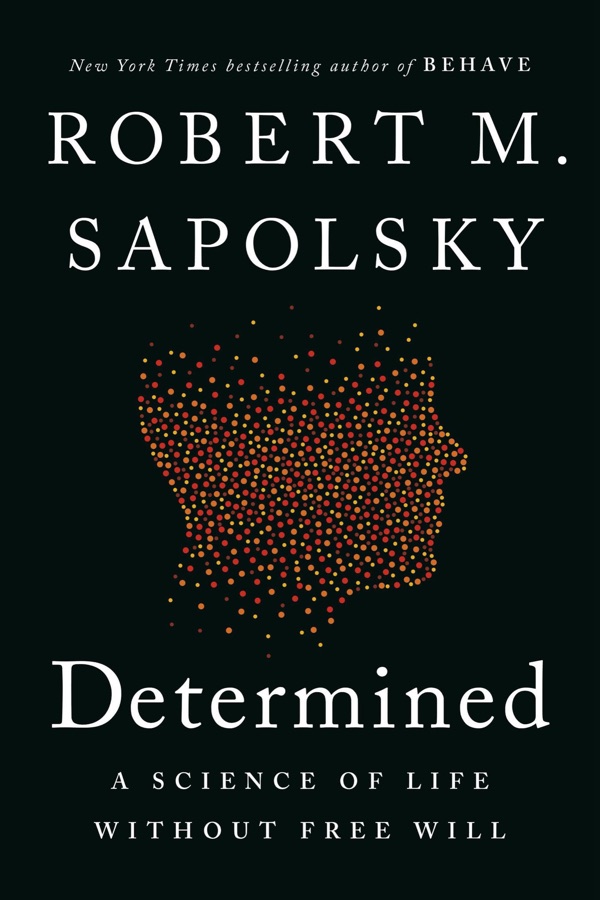 DeterminedRobert M. SapolskySapolsky argues every act traces back through neurons, hormones, childhood, genes and culture to luck we never controlled, then asks what blame, punishment and meaning look like without free will.
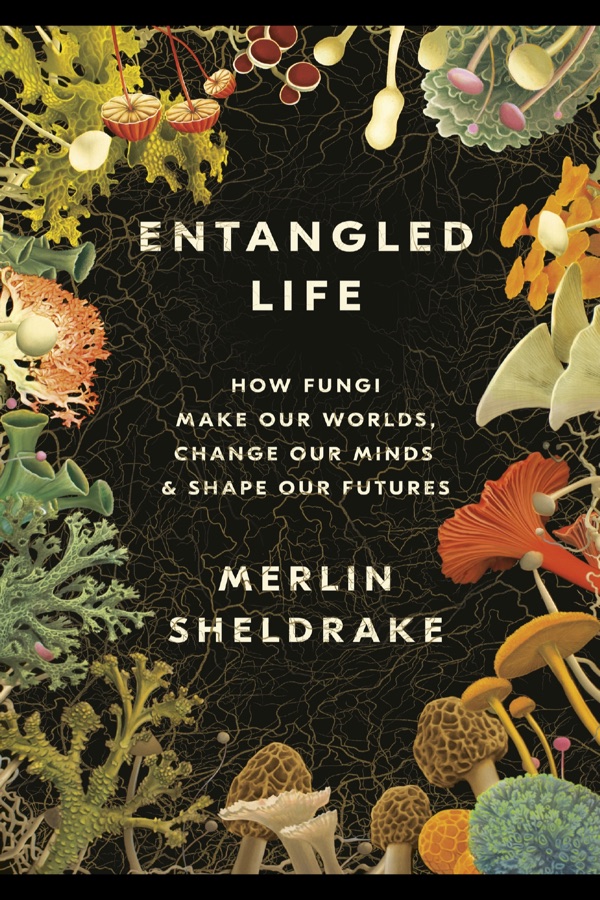 Entangled LifeMerlin SheldrakeA vivid journey into fungal worlds that reveals how mycelium, symbiosis, metabolism, and human stories reshape individuality, ecosystems, minds, and technological possibility.
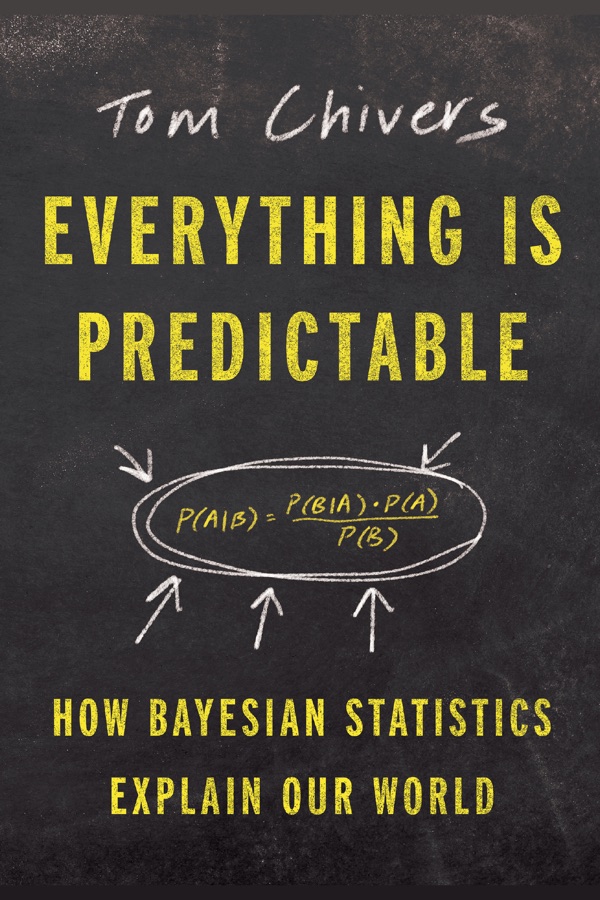 Everything Is PredictableTom ChiversLearn why prediction is unavoidable, how Bayesian reasoning updates uncertain beliefs, and where its tools clarify medicine, science, judgment, perception, and everyday decisions.
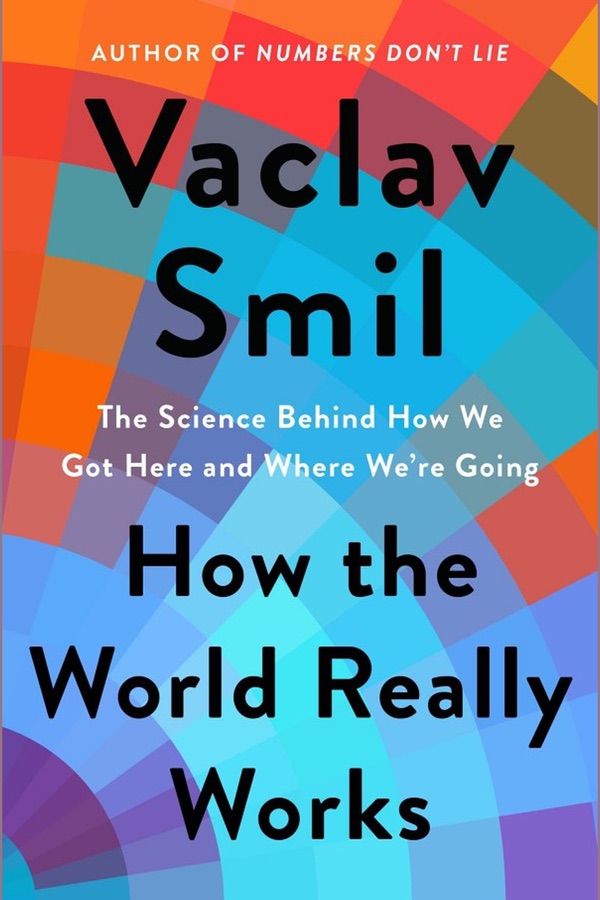 How the World Really WorksVaclav SmilA tour of energy, food, materials, globalization, risk and the environment in hard numbers, showing why fossil fuels still feed and build our world and why change will be gradual.
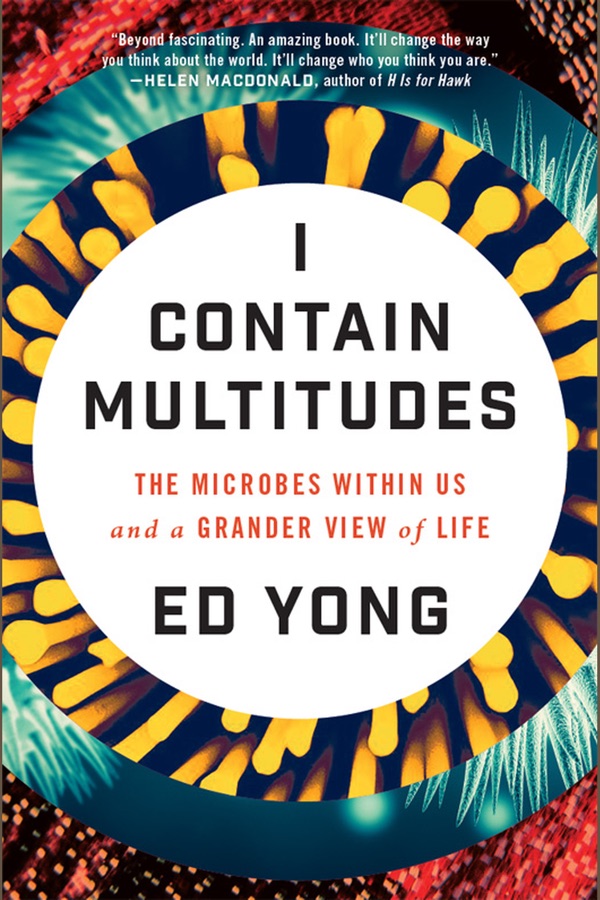 I Contain MultitudesEd YongEvery animal is a teeming mass of microbes. From squid and aphids to coral reefs and hospitals, discover how these partners build bodies, shape health and can be harnessed.
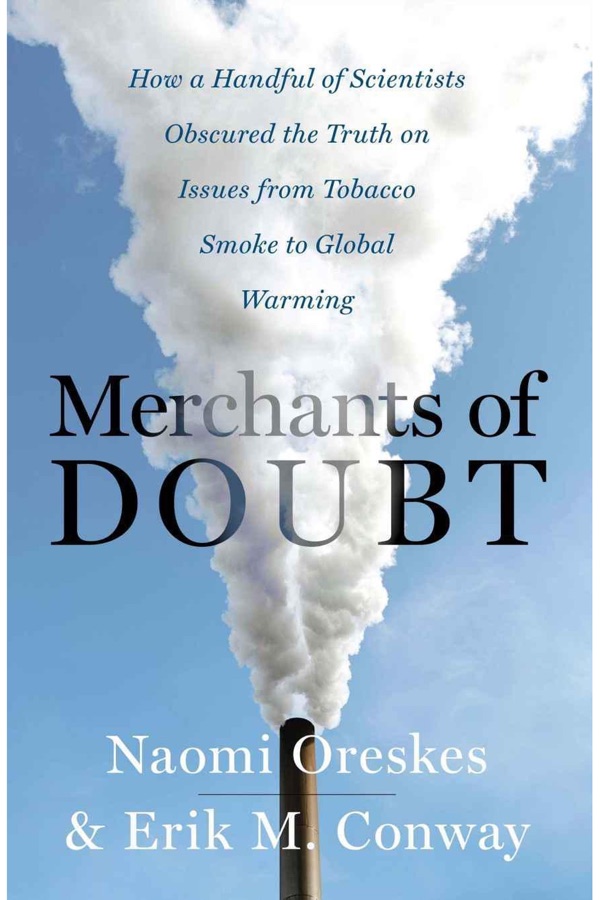 Merchants of DoubtNaomi Oreskes, Erik M. ConwayTwo historians trace how a handful of prominent scientists, working with think tanks and industry, cast doubt on the science of tobacco, acid rain, the ozone hole and global warming.
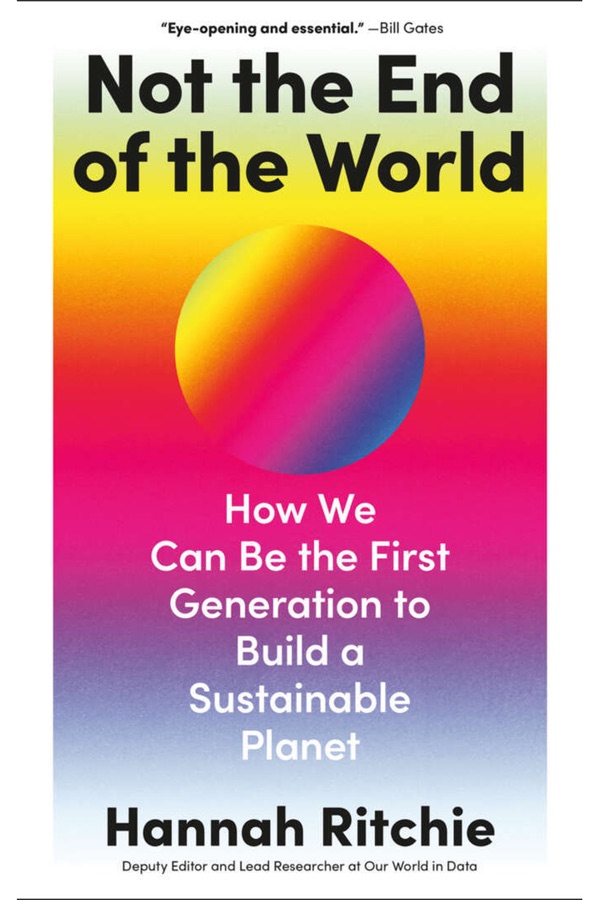 Not the End of the WorldHannah RitchieLong run data on air pollution, climate, forests, food, wildlife, plastics and fishing show how we could be the first generation to build a sustainable planet.
 ProofAdam KucharskiLearn how mathematics, science, law, and AI build convincing evidence under uncertainty, and why proof depends as much on people as on methods.
 Science Fictions: How Fraud, Bias, Negligence, and Hype Undermine the Search for TruthStuart RitchiePsychologist Stuart Ritchie reveals how fraud, bias, negligence, and hype corrupt modern scientific research, and what must be done to restore integrity to science.
 Seven Brief Lessons on PhysicsCarlo RovelliA physicist's compact tour of the ideas that reshaped our picture of reality, from Einstein's curved spacetime to quantum mechanics, black holes, and the still unsolved puzzle of time itself.
 Silent SpringRachel CarsonSee how one scientist's case against indiscriminate pesticide use exposed poisoned soil, water, and wildlife, and why the alternatives she championed still matter today.
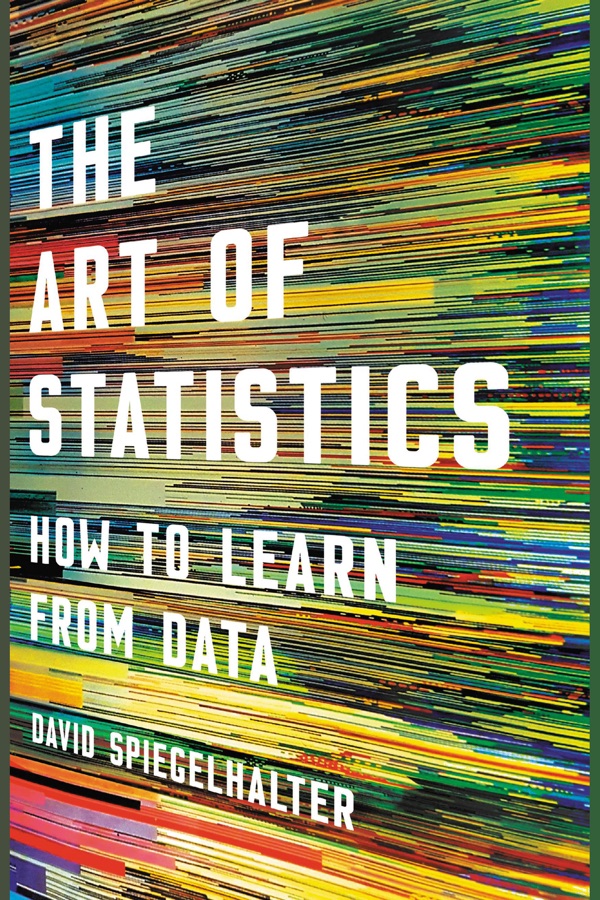 The Art of Statistics: How to Learn From DataDavid SpiegelhalterLearn how definitions, sampling, uncertainty, models, and incentives shape statistical claims, and how to judge numbers without confusing precision with truth.
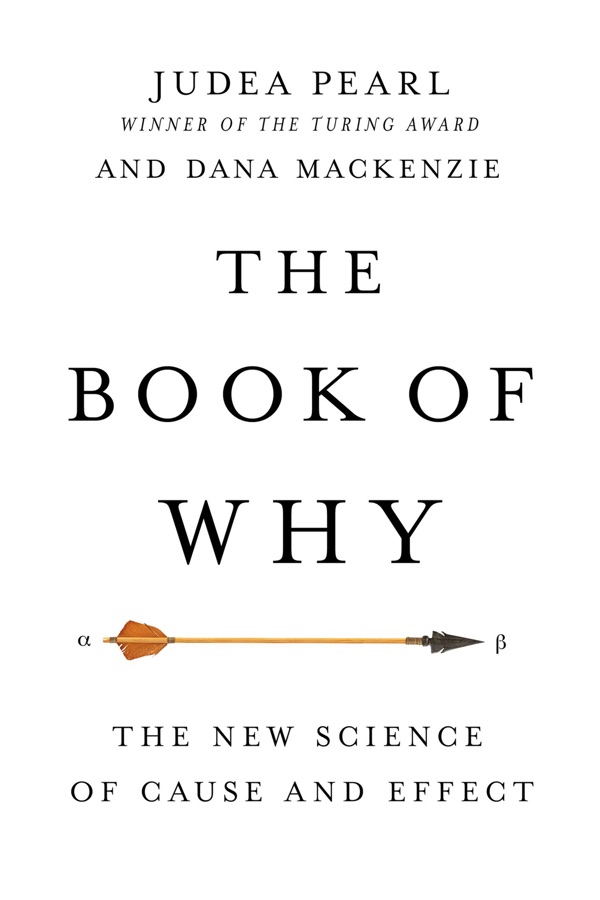 The Book of WhyJudea Pearl, Dana MackenzieLearn how causal diagrams turn assumptions and data into answers about interventions, counterfactuals, mechanisms, and why even vast datasets cannot explain themselves.
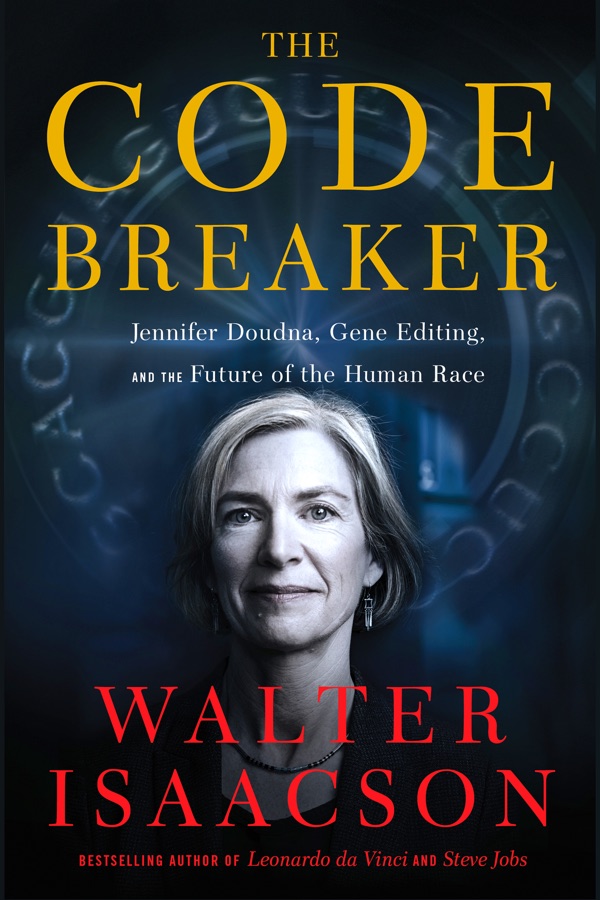 The Code BreakerWalter IsaacsonFollow Jennifer Doudna from a Hawaii childhood to CRISPR gene editing, through races and patent fights with rivals, the first edited babies, the COVID response, and a Nobel Prize.
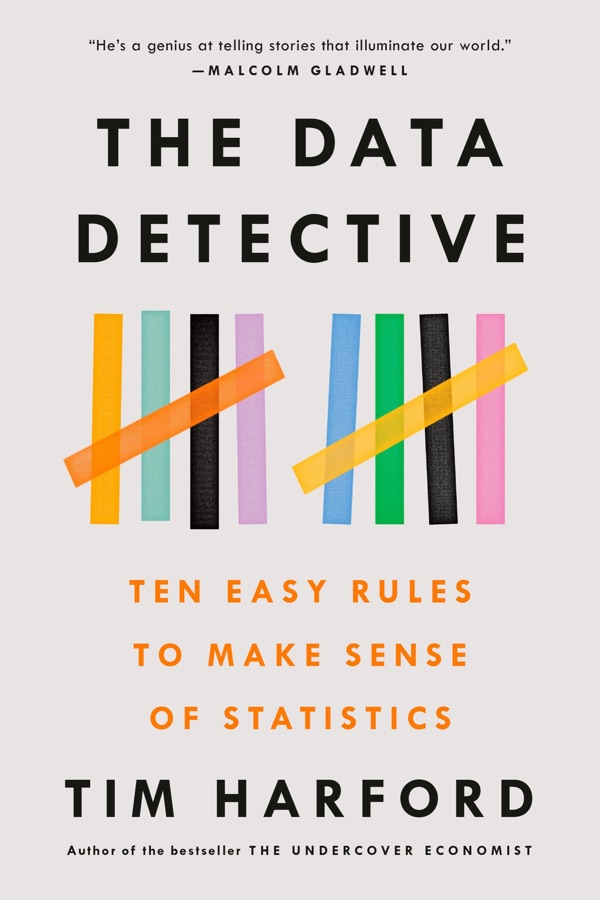 The Data DetectiveTim HarfordLearn to test numbers by checking definitions, missing evidence, samples, algorithms, institutions, visual framing, and your own reactions. Harford turns statistical skepticism into disciplined curiosity.
 The Demon Haunted WorldCarl SaganScience as a way of thinking: how scepticism balanced with wonder, and a kit for detecting baloney, protect us from pseudoscience, superstition and the errors of those in power.
 The Disordered CosmosChanda Prescod WeinsteinSee how wonder, power, race, labor, and survival shape physics, and why a freer science must redistribute authority while protecting everyone’s right to the night sky.
 The Emperor of All Maladies: A Biography of CancerSiddhartha MukherjeeTrace cancer from ancient Egypt to the gene era: Farber's first leukemia drug, the War on Cancer, tobacco and screening, and the discovery of oncogenes that made targeted drugs possible.
 The Gene: An Intimate HistorySiddhartha MukherjeeMental illness ran through Mukherjee's family. Follow the gene from Mendel's peas through eugenics and the double helix to gene editing, and weigh what rewriting our genomes could cost.
 The Genius in All of UsDavid ShenkSee why talent is a process rather than a gift, and learn what genes, environment and years of deliberate practice actually contribute to anyone's ability.
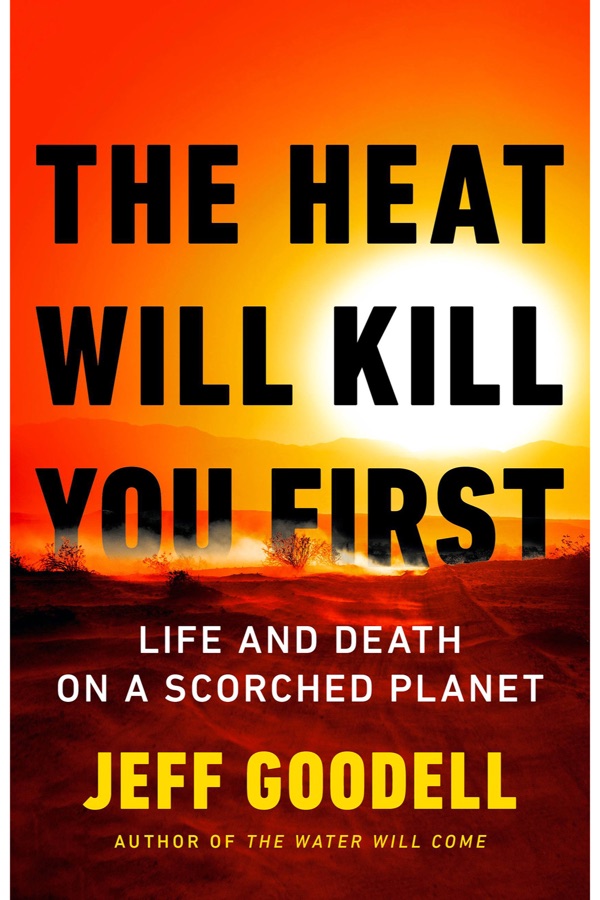 The Heat Will Kill You FirstJeff GoodellSee how rising heat overwhelms bodies, cities, food systems, and ecosystems, why danger falls unequally, and which protections can still reduce the harm.
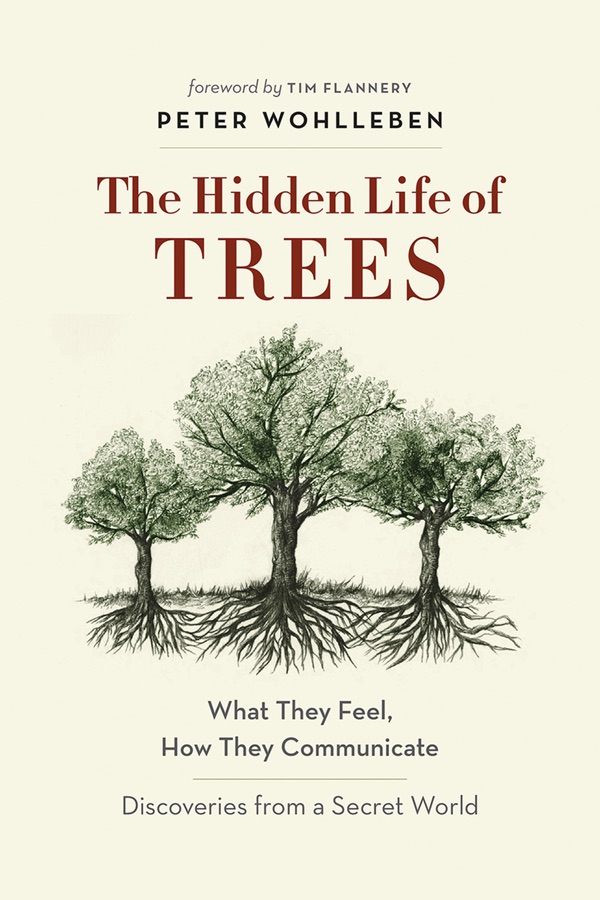 The Hidden Life of TreesPeter WohllebenHow trees share food and warnings through fungal networks, why forests need old trees and mixed species, and what a forester came to see by watching them.
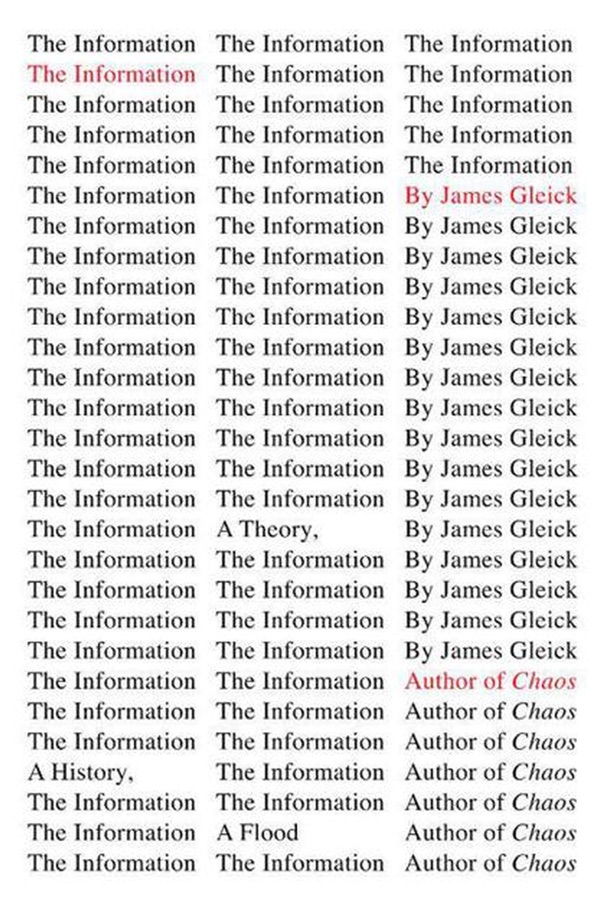 The Information: A History, a Theory, a FloodJames GleickFrom African talking drums to Shannon's bits, DNA and Wikipedia, a history of how people learned to send, store and measure information, and what the resulting flood means for meaning.
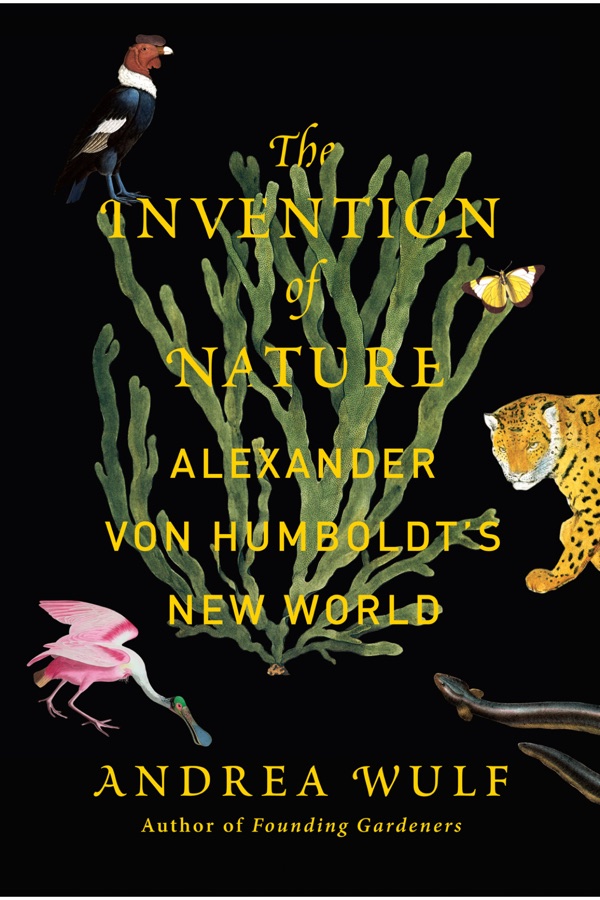 The Invention of NatureAndrea WulfFollow Alexander von Humboldt as measurement, imagination, travel, and collaboration reveal nature as an interconnected whole and reshape science, conservation, ecology, and environmental thought.
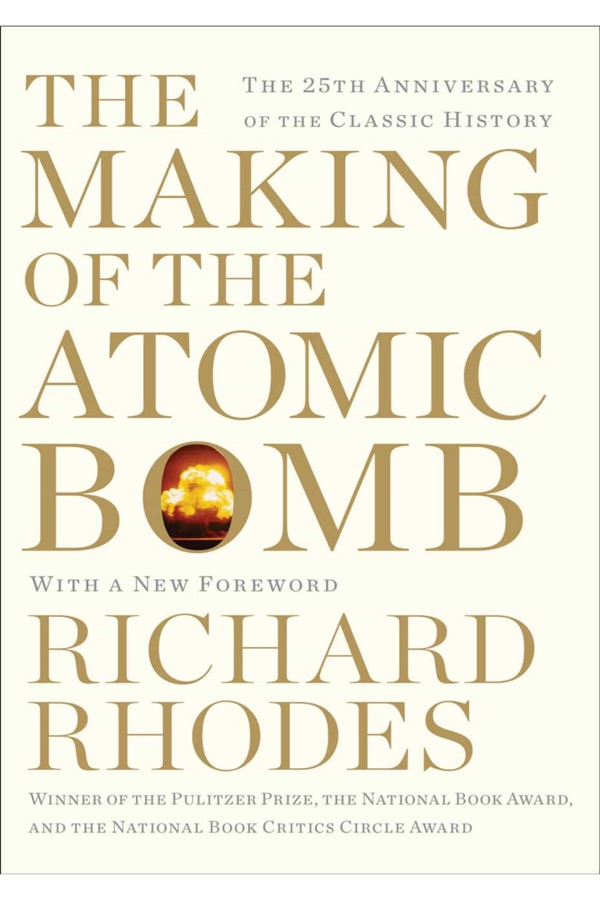 The Making of the Atomic BombRichard RhodesSee how scientific discovery became an industrial weapon, why its use was never inevitable, and how the atomic bomb transformed sovereignty, war, and human survival.
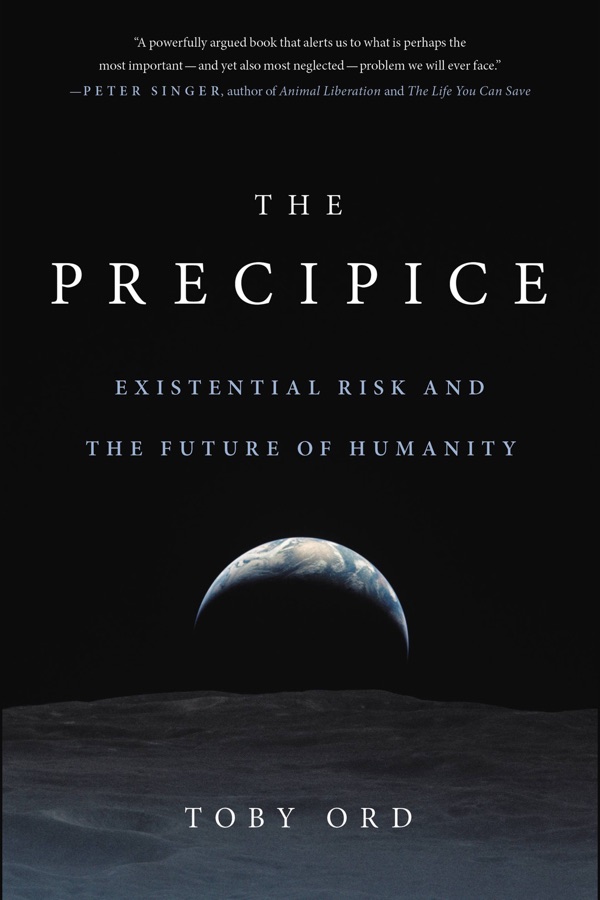 The PrecipiceToby OrdA lucid guide to existential risks, why humanity's future is newly vulnerable, and how wiser institutions and choices can protect our longterm potential.
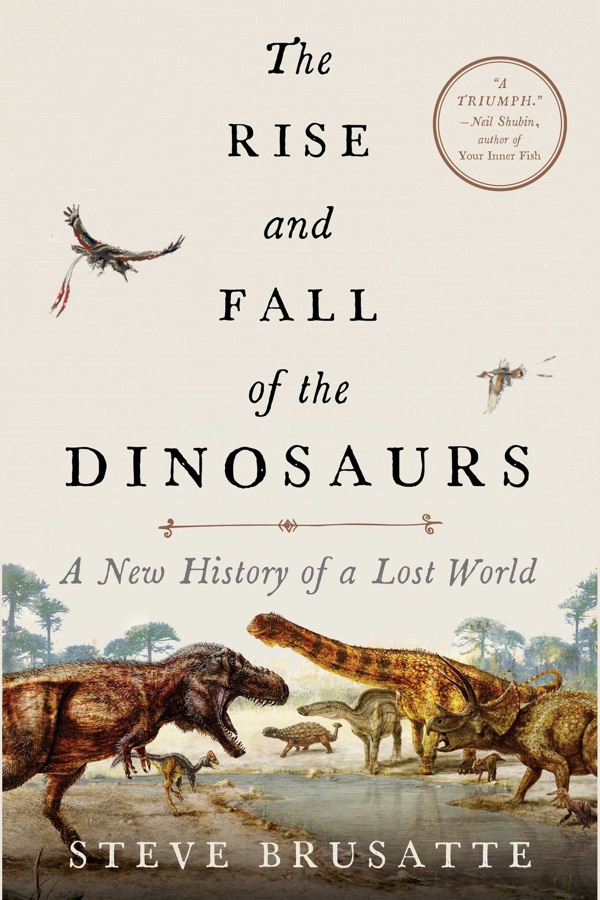 The Rise and Fall of the Dinosaurs: A New History of a Lost WorldSteve BrusatteFollow dinosaurs from their fragile Triassic beginnings to feathered flight and asteroid extinction, guided by vivid fossils, fieldwork, and modern science.
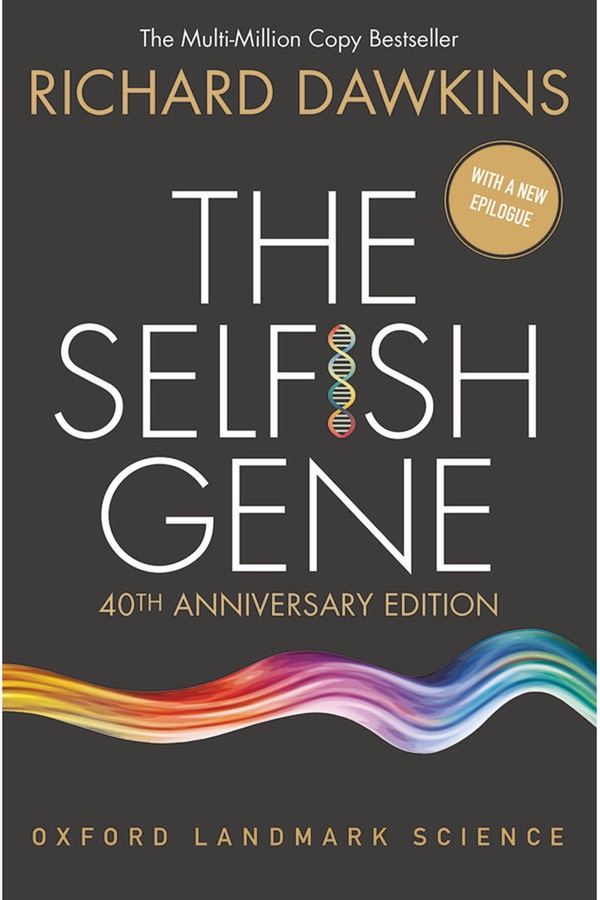 The Selfish GeneRichard DawkinsA gene's eye view of evolution: bodies as survival machines for genes, explaining kin altruism, family conflict, cooperation through reciprocity, and culture's own replicator, the meme.
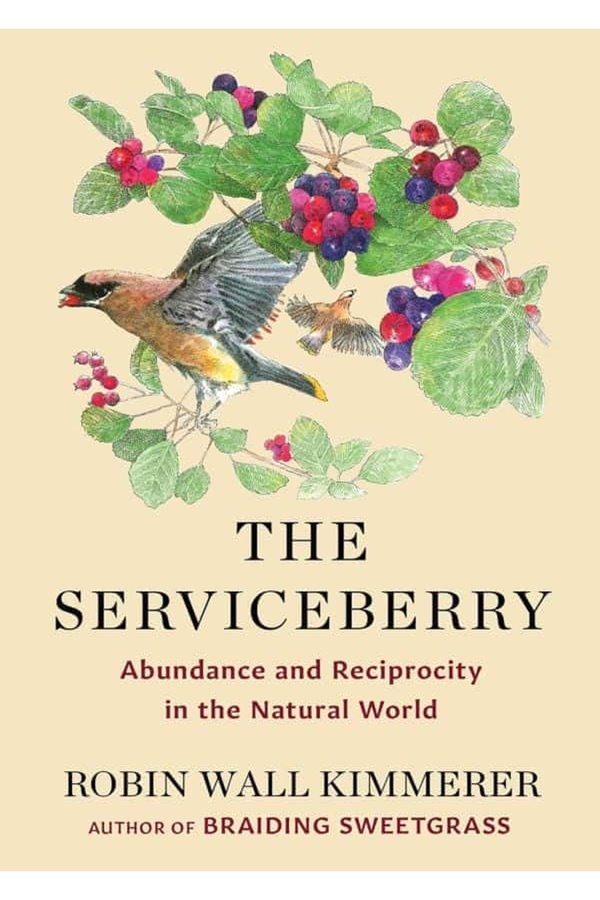 The ServiceberryRobin Wall KimmererA botanist follows the serviceberry through a year to show how gift, gratitude and reciprocity can replace scarcity as the basis of a shared economy.
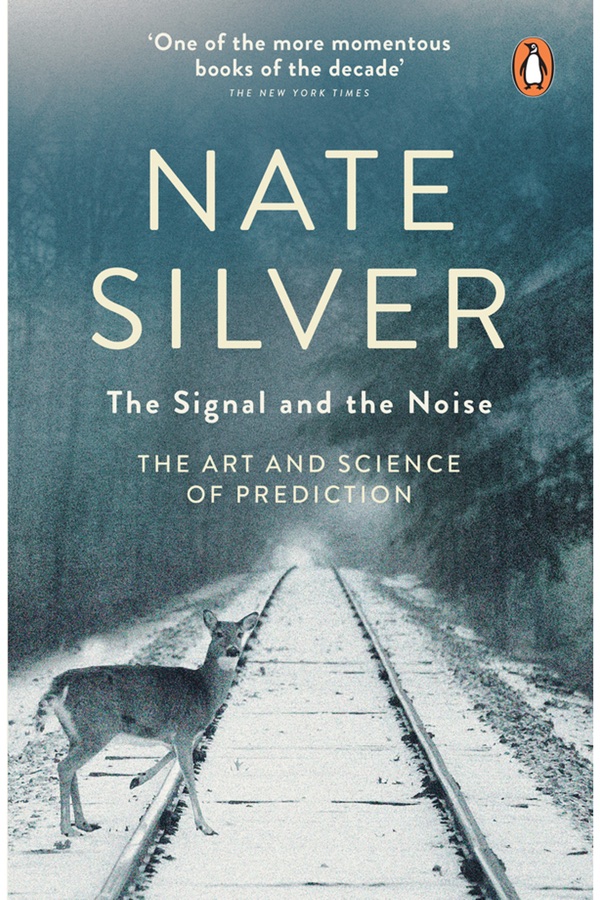 The Signal and the NoiseNate SilverLearn why so many forecasts fail, from credit ratings to earthquakes, and how thinking in probabilities and updating on new evidence can make your own predictions less wrong.
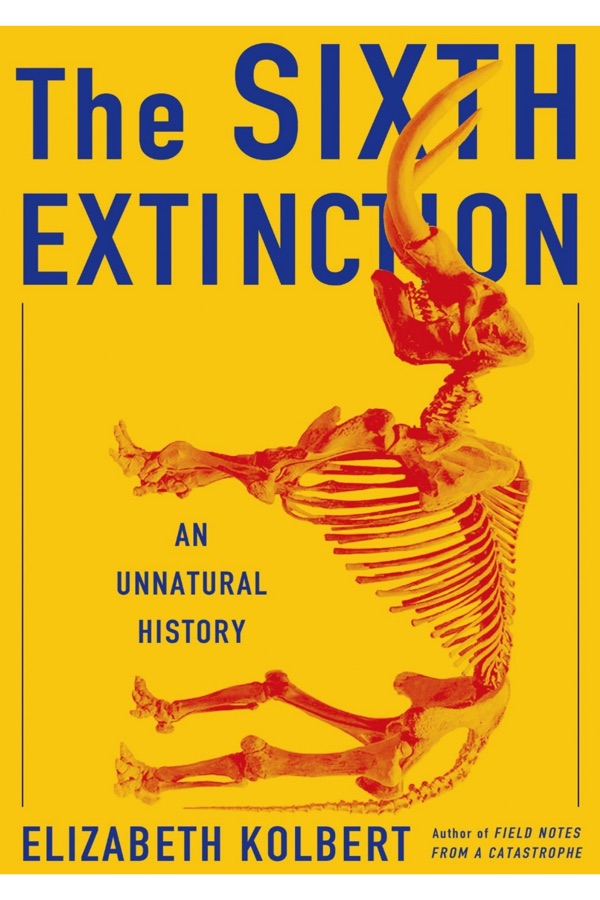 The Sixth ExtinctionElizabeth KolbertFollow extinction from fossils to frogs, reefs, bats, and vanished human relatives, and see how one unusually inventive species is reshaping the future of life.
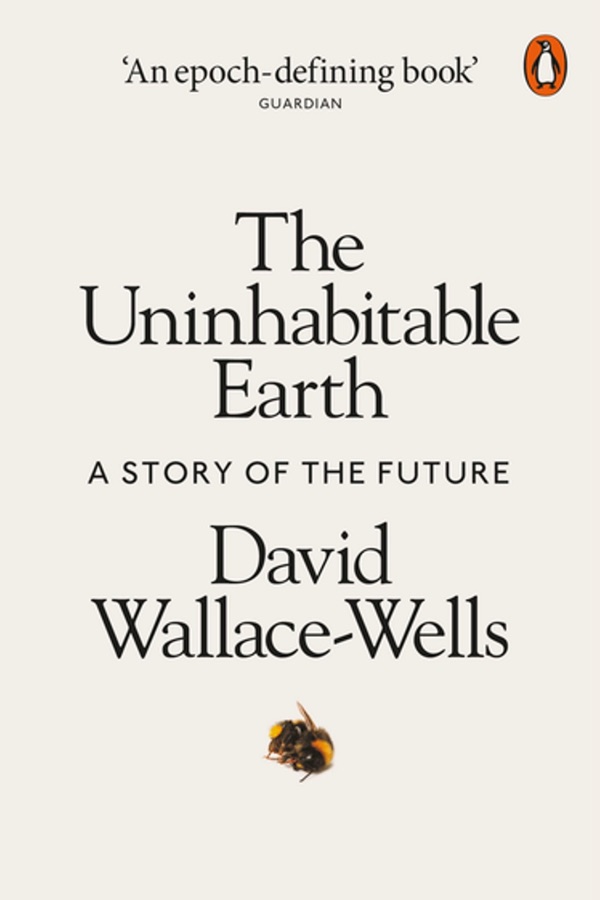 The Uninhabitable EarthDavid Wallace WellsA tour of what warming could do to heat, food, water, oceans, air, disease, economies and wars, then an argument that how bad it gets is a human choice.
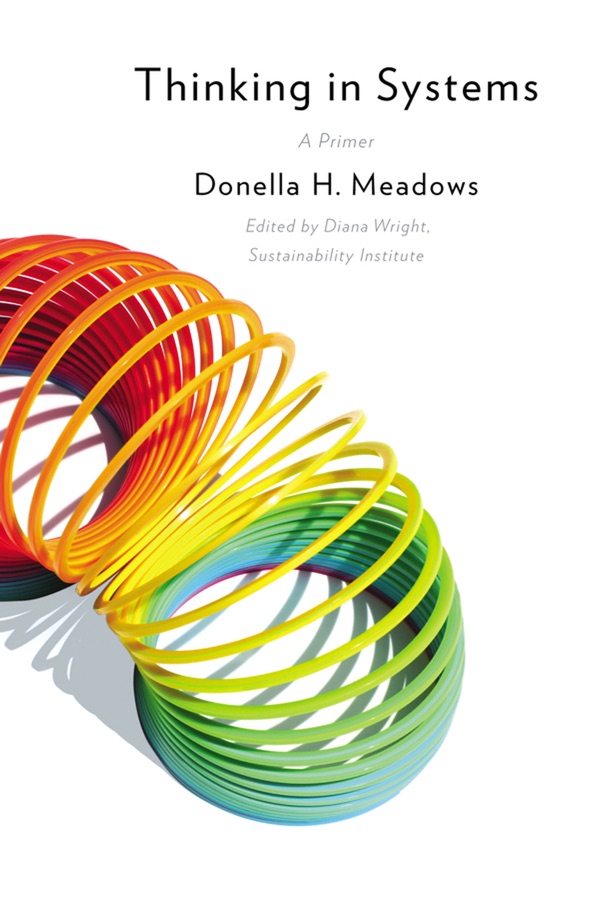 Thinking in SystemsDonella H. Meadows, Diana Wright (editor)Learn to see the stocks, flows, and feedback loops behind everyday problems, why good intentions so often backfire, and where a small push can change a whole system.
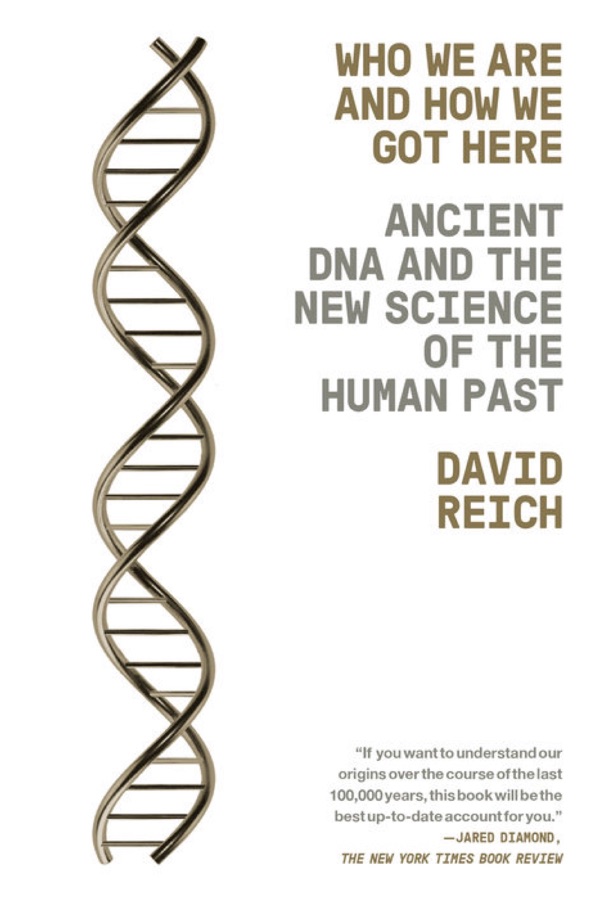 Who We Are and How We Got Here: Ancient DNA and the New Science of the Human PastDavid ReichAncient DNA reveals a human past shaped by repeated migration and mixture, overturning myths of pure ancestry while clarifying what genetics can and cannot say about identity.