Knowingo
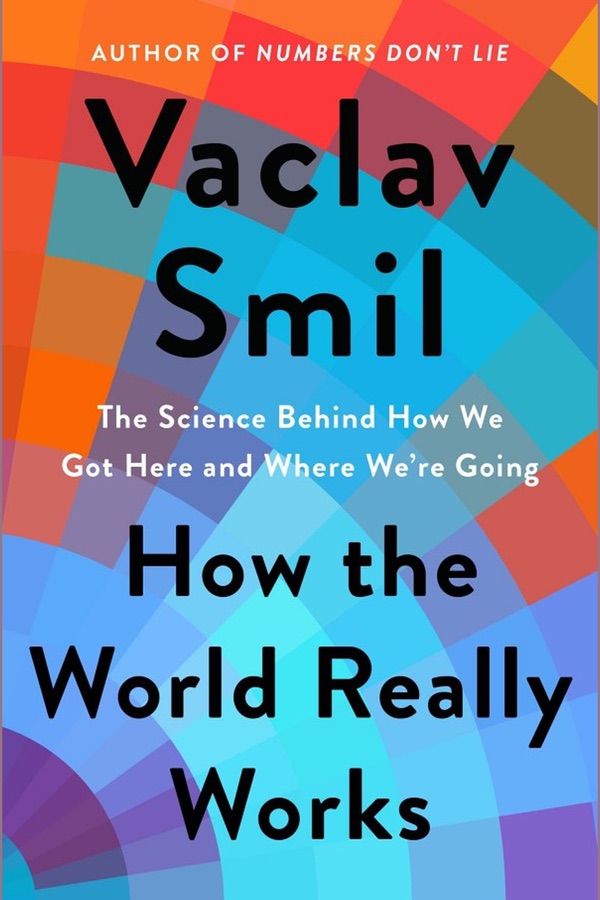
The cover of How the World Really Works

How the World Really Works

A tour of energy, food, materials, globalization, risk and the environment in hard numbers, showing why fossil fuels still feed and build our world and why change will be gradual.

8 parts, about 29 minutes to read.

Why read it

  • Explains how energy, food, materials and trade actually sustain modern life, with the physical numbers behind them
  • Equips you to judge claims about quick decarbonization, global supply chains and everyday risk against real quantities
  • Written by a scientist who calls himself neither pessimist nor optimist and lets measurements settle arguments

Who it is for

  • Climate debaters who want quantities instead of slogans
  • Students heading into energy, engineering or policy work
  • Readers who suspect the information economy hides its physical base

What the summary covers

  1. Introduction: Why the Basics Matter2 min
  2. Energy: Fuels and Electricity4 min
  3. Food: Eating Fossil Fuels4 min
  4. Materials: The Four Pillars4 min
  5. Globalization: Engines, Chips and Politics4 min
  6. Risks: Perception and Measurement4 min
  7. The Environment: Breathing, Drinking, Eating4 min
  8. The Future: Between Apocalypse and Singularity3 min

Recommended by

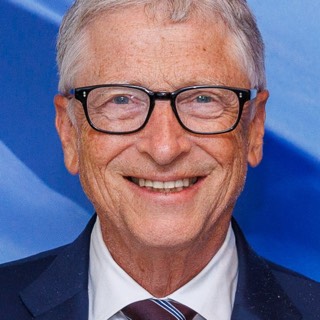
  • Bill GatesMicrosoft cofounder and philanthropist
    If you want a brief but thorough education in numeric thinking about many of the fundamental forces that shape human life, this is the book to read.
About the author

  • Vaclav SmilCzech Canadian scientist, distinguished professor emeritus at the University of Manitoba
    • Born in 1943 in Plzeƈ, in what is now the Czech Republic.
    • Earned the RNDr. degree at the Faculty of Natural Sciences of Charles University in Prague in 1965.
    • Emigrated to the United States in 1969, after the Soviet invasion of Czechoslovakia.
    • Received a Ph.D. in geography from Pennsylvania State University in 1971.
    • Took his first job at the University of Manitoba in 1972 and stayed until retirement.
    • Does interdisciplinary research on energy, environment, population, food and the history of technical advances.
    • Fellow of the Royal Society of Canada and recipient of the AAAS Award for Public Understanding of Science and Technology in 2000.
    • Appointed to the Order of Canada in 2013.

More books like this