Knowingo
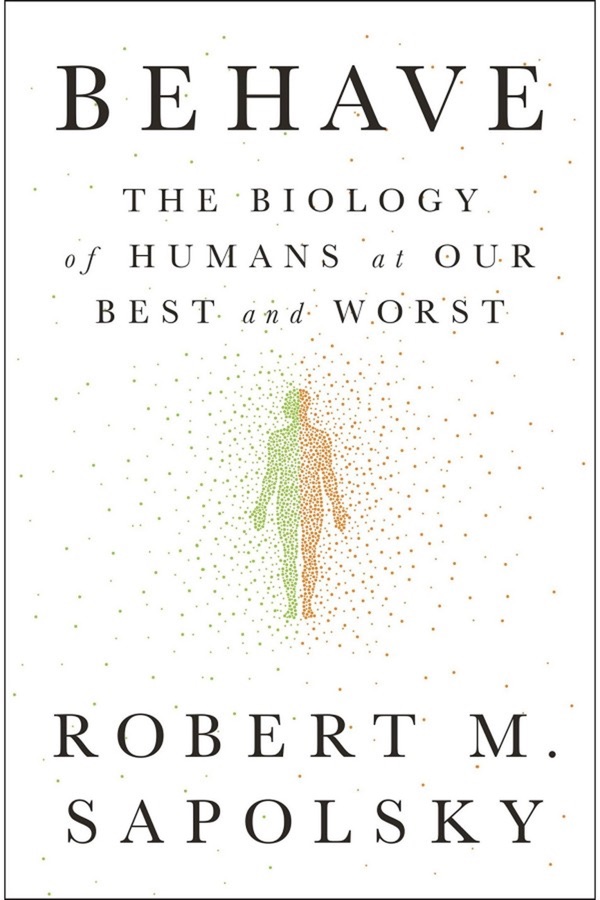
The cover of Behave

Behave

Why we do what we do, traced backward from the second before an act to hormones, childhood, genes, culture and evolution, and what that means for violence, morality and blame.

19 parts, about 42 minutes to read.

Why read it

  • Sapolsky explains violence and kindness by stepping back in time, from the brain a second before to hormones, childhood, genes, culture and evolution
  • Teaches you to distrust single cause stories, since biology mostly shifts tendencies and context decides what they become
  • Carries the science into justice, free will and war, arguing that blame and punishment deserve rethinking

Who it is for

  • Readers who want the biology behind everyday behaviour
  • Lawyers and policy makers thinking about blame and punishment
  • People puzzled by prejudice and group conflict

What the summary covers

  1. Introduction: Our Best and Worst Behaviors1 min
  2. The Behavior: Defining Our Terms1 min
  3. One Second Before: The Brain4 min
  4. Seconds to Minutes Before: Sensory Cues1 min
  5. Hours to Days Before: Hormones3 min
  6. Days to Months Before: Neuroplasticity1 min
  7. Adolescence: The Late Maturing Frontal Cortex2 min
  8. Back to the Crib, Back to the Womb: Childhood and Fetal Life2 min
  9. Back to When You Were Just a Fertilized Egg: Genes3 min
  10. Centuries to Millennia Before: Culture3 min
  11. The Evolution of Behavior2 min
  12. Us Versus Them2 min
  13. Hierarchy, Obedience, and Resistance3 min
  14. Morality and Doing the Right Thing3 min
  15. Feeling Someone's Pain: Empathy and Compassion2 min
  16. Metaphors We Kill By2 min
  17. Biology, the Criminal Justice System, and Free Will3 min
  18. War and Peace3 min
  19. Epilogue1 min

Recommended by

  • Edward O. WilsonUniversity Research Professor Emeritus at Harvard University
    Behave is like a great historical novel, with excellent prose and encyclopedic detail. It traces the most important story that can ever be told.
About the author

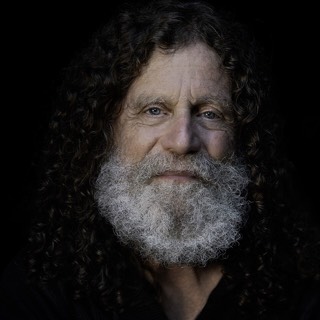
  • Robert M. SapolskyMacArthur Fellow, neuroscientist and Stanford University professor
    • Born in Brooklyn, New York, to immigrants from the Soviet Union.
    • Earned his A.B. from Harvard in 1978 and his Ph.D. from Rockefeller University in 1984.
    • A neuroendocrinologist who studies the mechanisms by which stress can damage the brain.
    • Has spent part of each year since 1978 studying a troop of wild baboons in an East African national reserve.
    • Author of several nonfiction works including A Primate's Memoir, The Trouble with Testosterone and Why Zebras Don't Get Ulcers.
    • John A. and Cynthia Fry Gunn Professor of biology, neurology and neurosurgery at Stanford University.

More books like this