

Money and the economy
Money, markets and the forces that move them, in plain words. 44 books, each condensed into about twenty minutes.
 A Random Walk Down Wall StreetBurton G. MalkielWhy even professionals rarely beat the market, from tulip mania to the Internet bubble, and a practical plan of cheap index funds for every stage of life.
 Capital in the Twenty First CenturyThomas PikettyThree centuries of tax records show why inherited wealth grows faster than economies when returns on capital outpace growth, and how progressive taxes could put democracy back in charge.
 Capitalism and Its CriticsJohn CassidyTwo centuries of capitalism's critics, from the Luddites and Marx to Piketty, and what their arguments reveal about inequality, globalization's backlash and the age of AI.
 Career and FamilyClaudia GoldinClaudia Goldin traces five generations of college educated women to show how greedy work and caregiving still divide careers, pay, and family life.
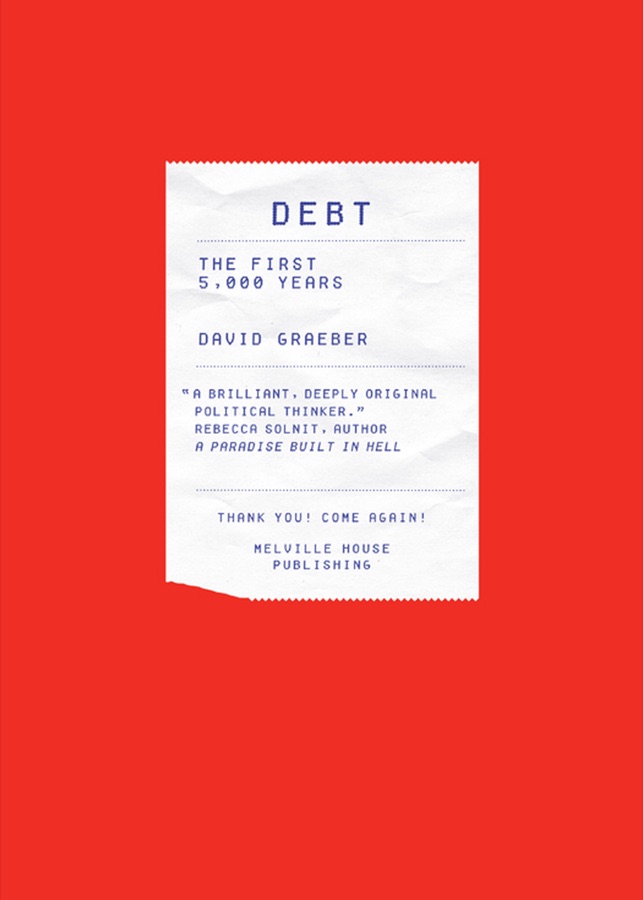 Debt: The First 5,000 YearsDavid GraeberGraeber traces five thousand years of debt through coinage, slavery and empire, and shows why the demand that debts be paid is a moral claim, not an economic one.
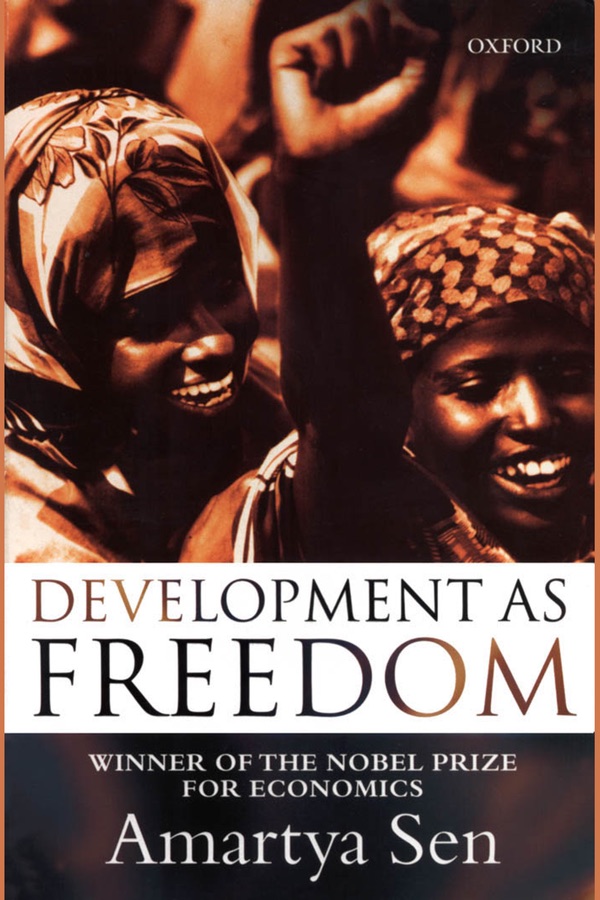 Development as FreedomAmartya SenWhy development should be judged by the real freedoms people gain, shown through famines, missing women, and the records of India, China and Kerala.
 Die with ZeroBill PerkinsBill Perkins shows how to use money, health, and time for experiences that matter, while protecting future needs and giving when gifts can help most.
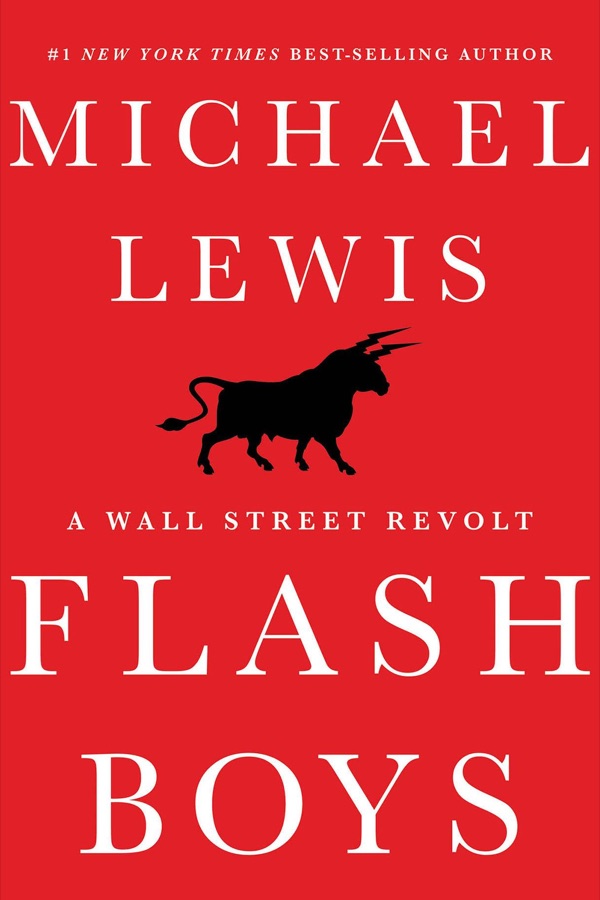 Flash BoysMichael LewisBrad Katsuyama and a band of Wall Street insiders discover how speed traders profit from tiny time advantages over investors, then build a new stock exchange, IEX, to stop them.
 Fooled by RandomnessNassim Nicholas TalebWhy we mistake luck for skill in markets and in life: how survivorship, rare events and hindsight make lucky fools look like geniuses, and how to live with chance.
 Free to ChooseMilton Friedman, Rose FriedmanMilton and Rose Friedman show how free markets coordinate millions without coercion, and how controls, the Federal Reserve, welfare, schools, regulation and inflation eroded freedom and prosperity.
 How Countries Go BrokeRay DalioRay Dalio explains how big debt cycles push governments toward crisis, what history shows about how they end, and his 3% plan to keep America's debt manageable.
 I Will Teach You to Be RichRamit SethiA six week program to automate your money: better credit cards and banks, a Roth IRA and 401(k), and low cost investing, so you can spend on what you love.
 Liar's PokerMichael LewisMichael Lewis recalls his years selling bonds at Salomon Brothers in the 1980s, when the mortgage boom made untrained young traders rich and mismanagement brought the firm low.
 Lords of FinanceLiaquat AhamedFour central bankers, Norman, Strong, Schacht and Moreau, tried to rebuild a world tied to gold after 1914, and their mistakes helped turn a crisis into the Great Depression.
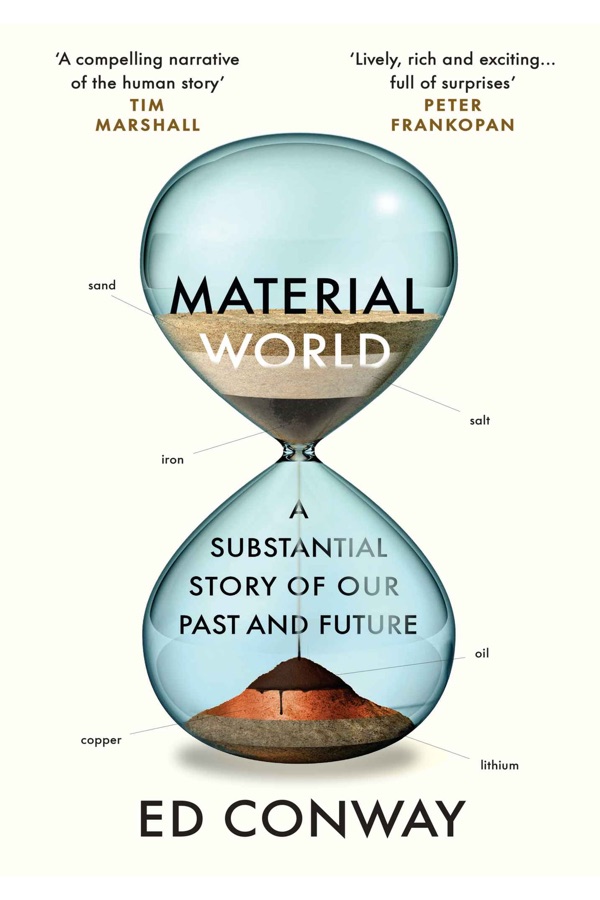 Material WorldEd ConwaySee how sand, salt, iron, copper, oil, and lithium quietly shape modern life, from chips and batteries to war, climate, and supply chains.
 MisbehavingRichard H. ThalerRichard Thaler tells how behavioral economics showed that real people misjudge prices, losses and fairness and give in to temptation, and how simple defaults helped workers save more.
 Poor EconomicsAbhijit V. Banerjee, Esther DufloRandomized trials and fieldwork among the very poor show why many policies against poverty miss, and what small, tested changes in health, schooling, credit and saving can achieve.
 Poverty, by AmericaMatthew DesmondSee how American poverty is sustained by exploitation, hidden affluent subsidies, and exclusion, then learn the reforms and collective power needed to abolish it.
 Power and ProgressDaron Acemoglu, Simon JohnsonExplains why technology creates shared prosperity only when people shape its direction, build useful new tasks, and gain enough power to share the benefits.
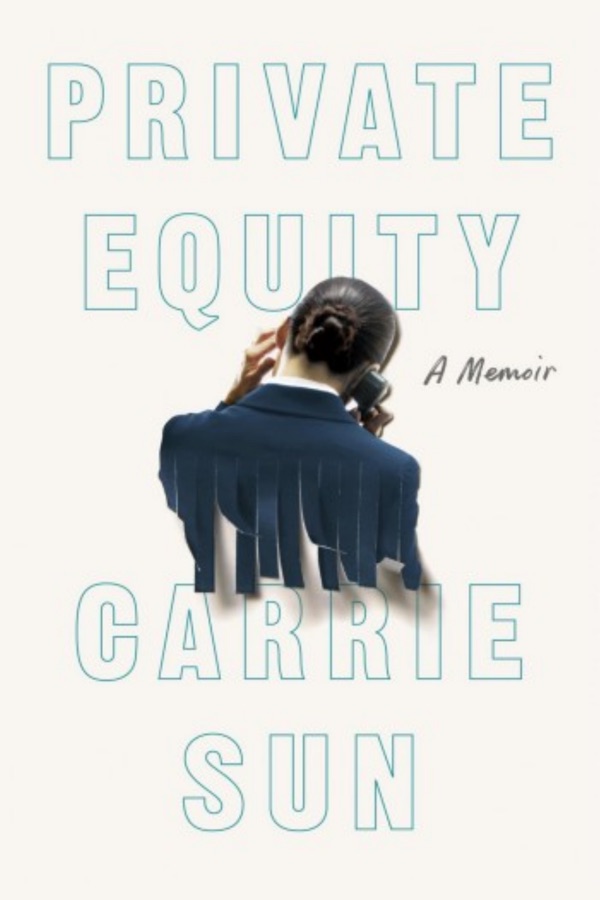 Private EquityCarrie SunSee how elite finance quietly turns other people's time into wealth, and why one assistant's choice to stop optimizing her life became the way she reclaimed her own time.
 Rich Dad Poor DadRobert T. KiyosakiLearn to tell what actually feeds your income from what quietly drains it, and start putting each dollar into things that earn rather than things that cost.
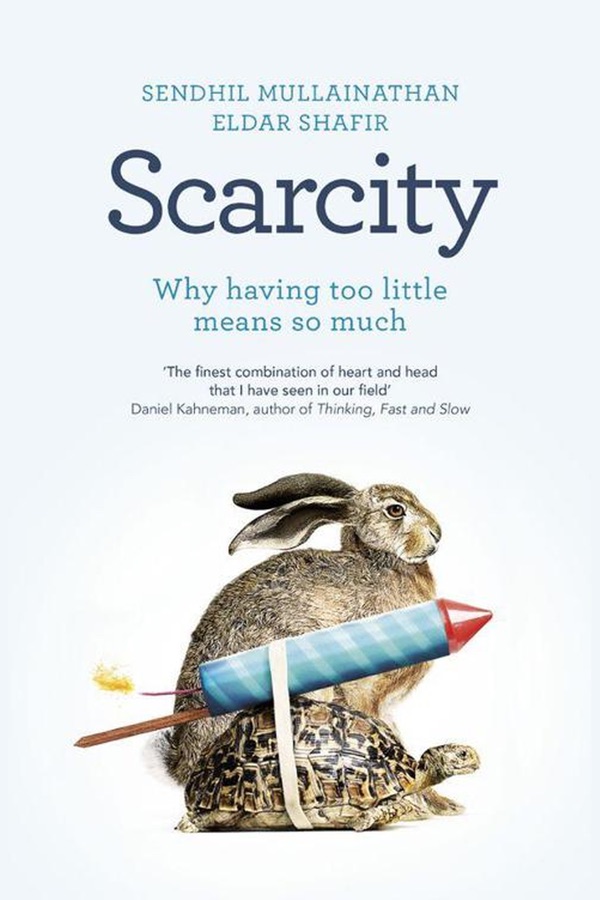 ScarcitySendhil Mullainathan, Eldar ShafirLearn why having too little time or money captures the mind and drains mental bandwidth, and how building in slack and smarter design can help people escape the scarcity trap.
 Slouching Towards UtopiaJ. Bradford DeLongA sweeping economic history of how industrial growth transformed human life, why prosperity failed to become shared utopia, and what destabilized the modern order.
 SuperFreakonomicsSteven D. Levitt, Stephen J. DubnerLevitt and Dubner follow incentives and data into unexpected places, from street prostitution and terrorist hunting to hand washing and geoengineering, and defend cheap, simple fixes against costly ones.
 The Age of Surveillance CapitalismShoshana ZuboffShoshana Zuboff traces how Google and Facebook turned human experience into "behavioral surplus," predicting and shaping behavior at scale, and asks what a human future still requires.
 The Algebra of WealthScott GallowayScott Galloway's formula for financial security: work hard at what you are good at, spend with restraint, start compounding early and diversify, until passive income exceeds your burn rate.
 The Ascent of MoneyNiall FergusonNiall Ferguson follows money from Mesopotamian clay tablets to Bitcoin, showing how banks, bonds, stock markets, insurance and home loans drove human progress, and why financial crises keep coming back.
 The Behavioral InvestorDaniel CrosbyMarkets run on human brains that evolved for survival, not returns. Crosby names the four behavioral risks that cost investors money and the rules that contain them.
 The Big ShortMichael LewisMichael Lewis follows the handful of outsiders who bet against subprime mortgage bonds before 2008, and shows how Wall Street's bond machine turned bad home loans into triple A risk.
 The Globalization ParadoxDani RodrikWhy hyperglobalization, democracy and the nation state cannot all coexist, and how an updated Bretton Woods compromise could keep trade open while letting democracies set their own rules.
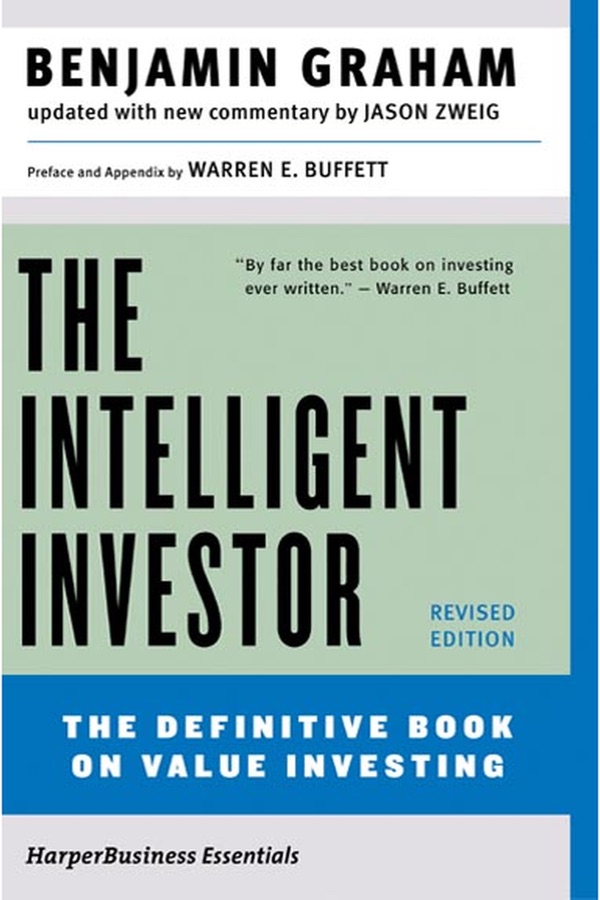 The Intelligent InvestorBenjamin Graham, Jason ZweigBenjamin Graham's guide to disciplined investing, updated with Jason Zweig's commentary, shows how to separate price from value, ignore the market's moods and demand a margin of safety.
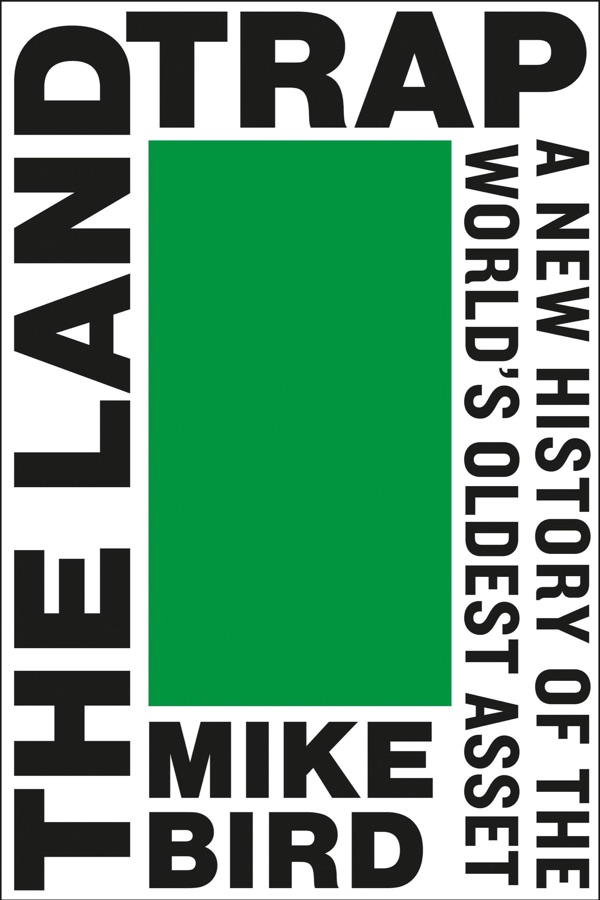 The Land TrapMike BirdSee why land remains capitalism's most powerful old asset, shaping credit, inequality, public finance, China's property boom, Singapore's housing model, and the politics of superstar cities.
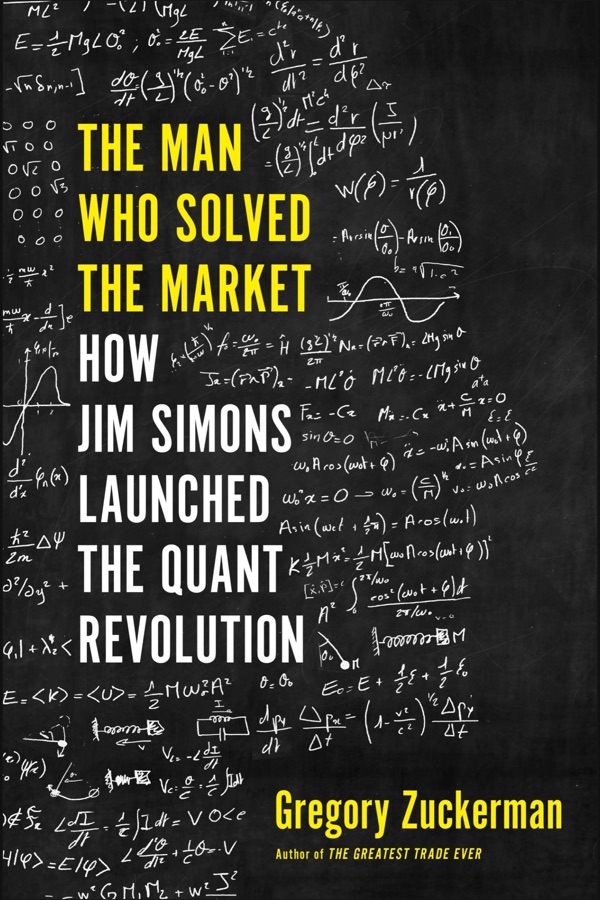 The Man Who Solved the MarketGregory ZuckermanFollow Jim Simons and the scientists behind Medallion through failed models, cleaned data, engineering fixes, market crises, and the limits of a remarkable trading record.
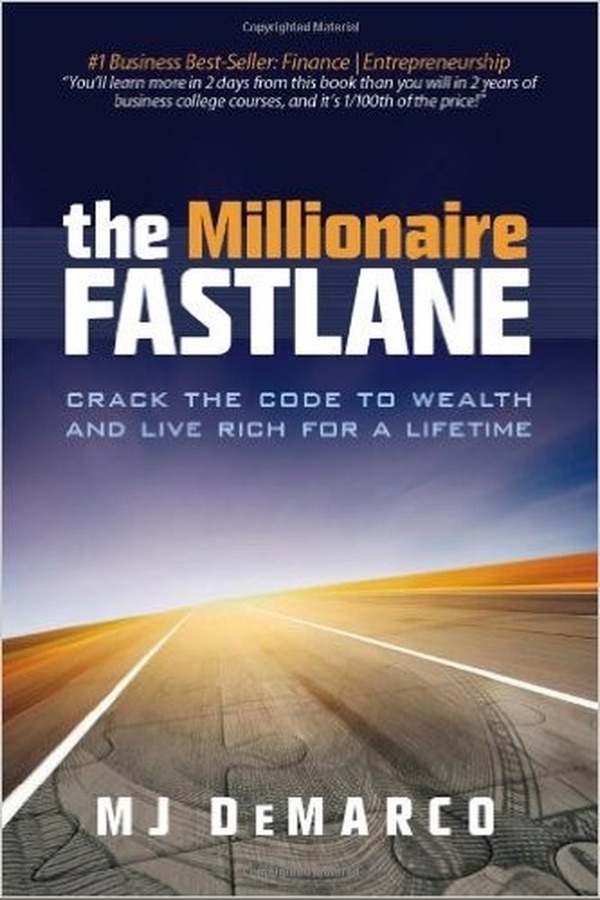 The Millionaire FastlaneM. J. DeMarcoM. J. DeMarco argues that a job plus decades of investing is a slow road, and shows how a business you control, serving real needs at scale, builds wealth young.
 The Millionaire Next Door: The Surprising Secrets of America's WealthyThomas J. Stanley, William D. DankoStanley and Danko show how ordinary Americans built wealth through restrained spending, planning, and family habits. Their 1990s research separates accumulated assets from visible affluence.
 The Next Millionaire Next DoorThomas J. Stanley, Sarah Stanley FallawMost of today's millionaires built their own wealth. New survey data shows how living below your means, ignoring what neighbors buy, and investing with discipline still turn income into wealth.
 The Richest Man in BabylonGeorge S. ClasonParables from ancient Babylon teach money's plain rules: keep a tenth of what you earn, control spending, invest cautiously, repay debts and grow your ability to earn.
 The Rise and Fall of American GrowthRobert J. GordonElectricity, running water, cars, and medicine remade American life between 1870 and 1970, a change that could happen only once; since 1970, growth has been narrower and slower.
 The Road to SerfdomF. A. HayekHayek's 1944 warning that central economic planning, however well meant, concentrates power, erodes the Rule of Law and truth, and tends to lead free societies toward totalitarianism.
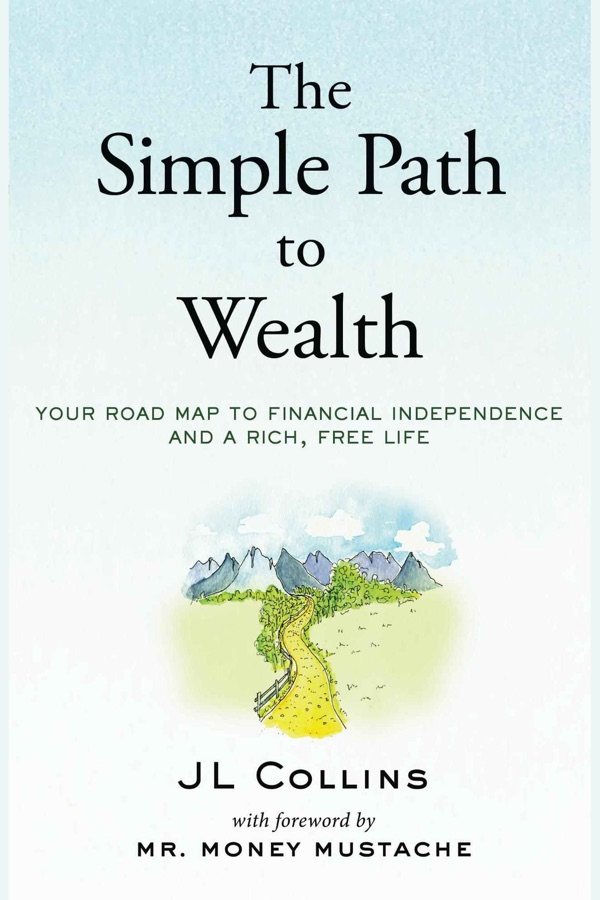 The Simple Path to WealthJ. L. CollinsJ. L. Collins explains how to avoid debt, save a large share of income, and hold cheap index funds through every crash until 4% of your assets covers your spending.
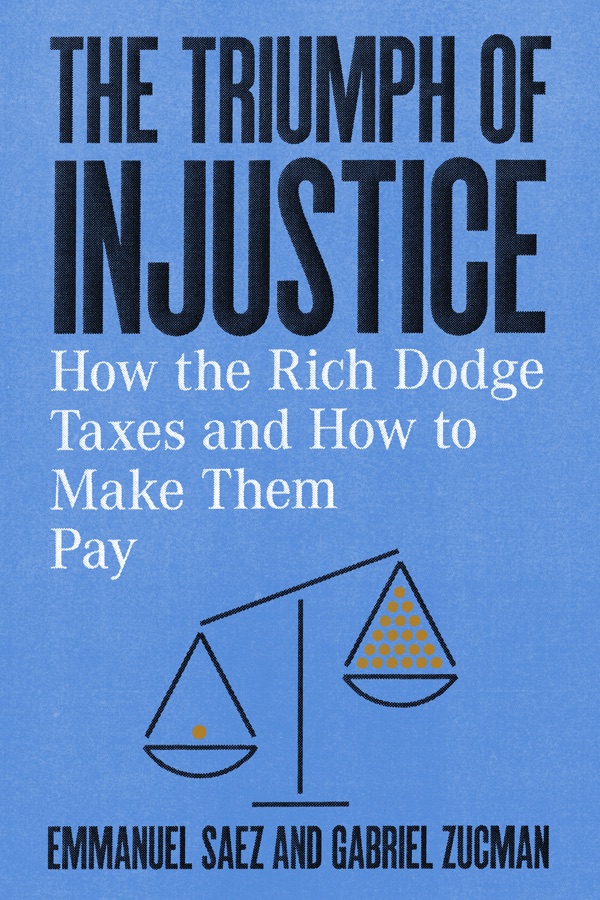 The Triumph of InjusticeEmmanuel Saez, Gabriel ZucmanTwo economists trace how the US tax system stopped taxing the rich, then lay out a concrete plan, from a wealth tax to a national income tax, to reverse it.
 The World Under CapitalismBranko MilanovicCapitalism now rules the whole world. In short, pointed essays, Milanovic asks what that means for global inequality, migration, climate, China, and the legacy of Smith and Marx.
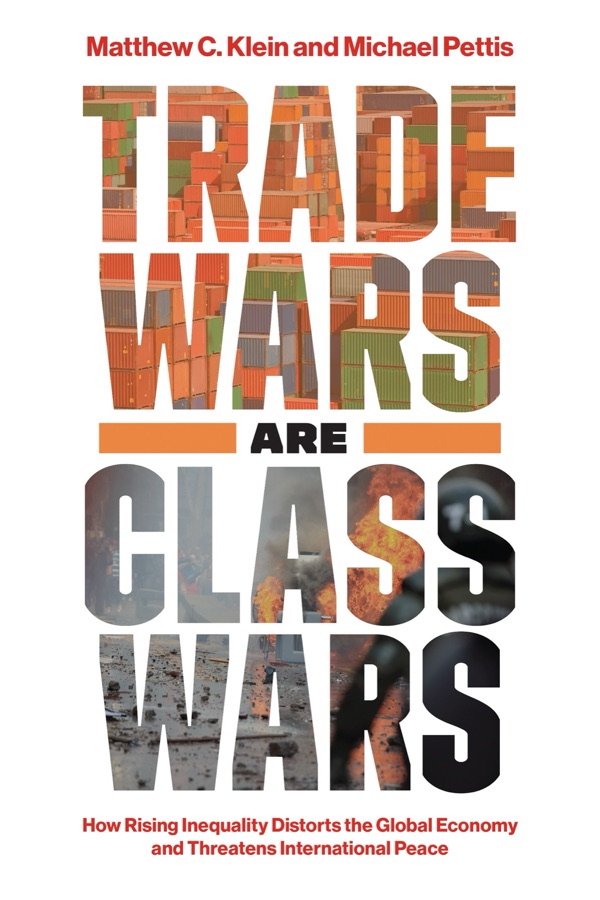 Trade Wars Are Class WarsMatthew C. Klein, Michael PettisExplains how inequality in China, Germany, and the United States creates global surpluses, debt, financial instability, and trade conflict, then shows how redistribution can ease them.
 Where Does the Money Come From? A Wealth Plan for Chinese FamiliesXiang ShuaiA 2019 guide to Chinese household wealth. Xiang Shuai uses family stories and economic evidence to explain changing choices about work, cities, housing, and financial assets.