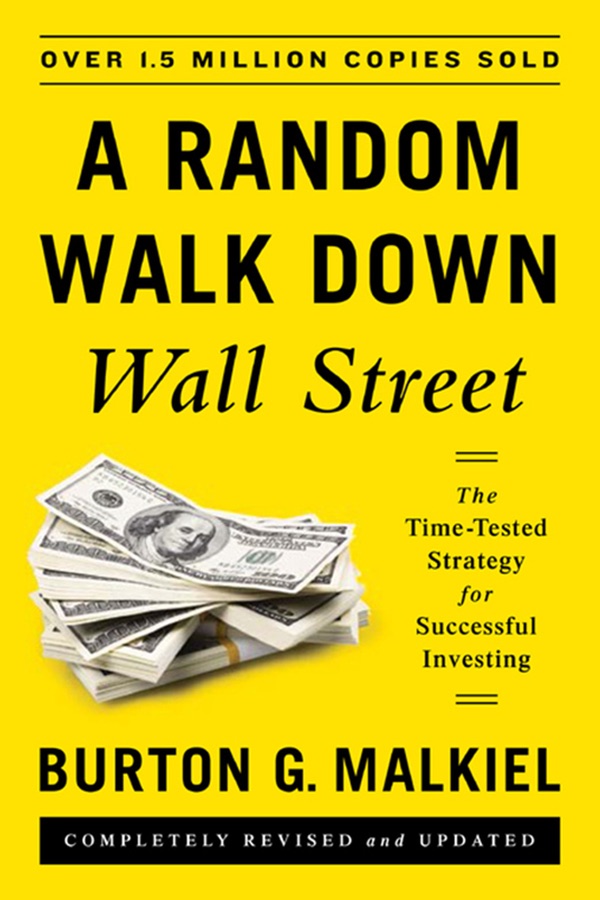
A Random Walk Down Wall Street
Why even professionals rarely beat the market, from tulip mania to the Internet bubble, and a practical plan of cheap index funds for every stage of life.
16 parts, about 34 minutes to read.


Why even professionals rarely beat the market, from tulip mania to the Internet bubble, and a practical plan of cheap index funds for every stage of life.
16 parts, about 34 minutes to read.



Burton Malkiel concludes that higher long run returns appear to come only from accepting greater risk, and that analysis is highly unlikely to beat the market. Benjamin Graham holds that return should depend on the intelligent effort an investor brings, and that risk often means paying too much for a stock.
Burton Malkiel advises investing very aggressively in your twenties and shifting with age toward bonds, dividend growth stocks and REITs. JL Collins calls the rule of holding 100 minus your age in stocks nonsense, recommending all stocks while you are still accumulating and adding bonds once you stop working.
 Capital in the Twenty First CenturyThomas Piketty
 Capitalism and Its CriticsJohn Cassidy
 Career and FamilyClaudia Goldin
 Debt: The First 5,000 YearsDavid Graeber
 Development as FreedomAmartya Sen
 Die with ZeroBill Perkins
 Flash BoysMichael Lewis
 Fooled by RandomnessNassim Nicholas Taleb
 Free to ChooseMilton Friedman, Rose Friedman
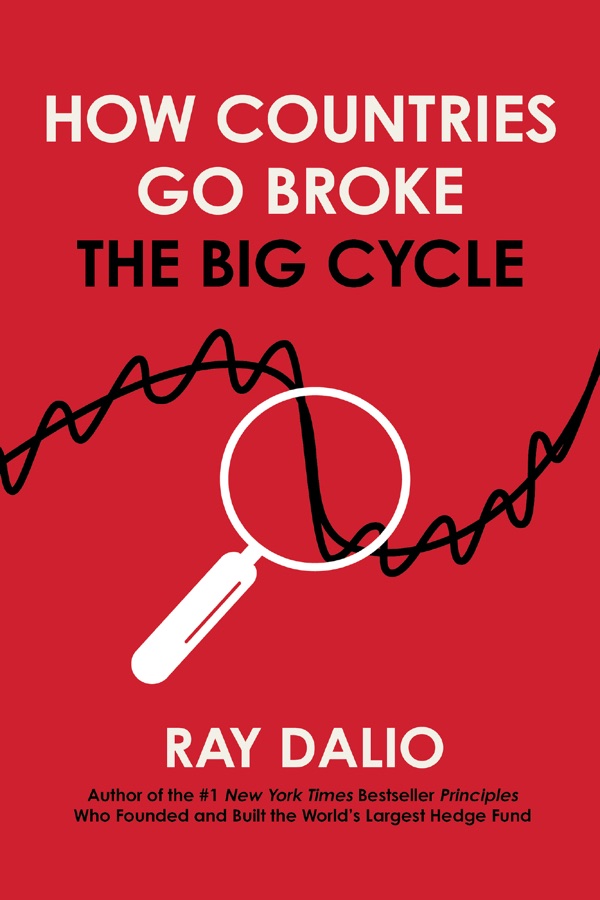 How Countries Go BrokeRay Dalio
 I Will Teach You to Be RichRamit Sethi
 Liar's PokerMichael Lewis