Knowingo
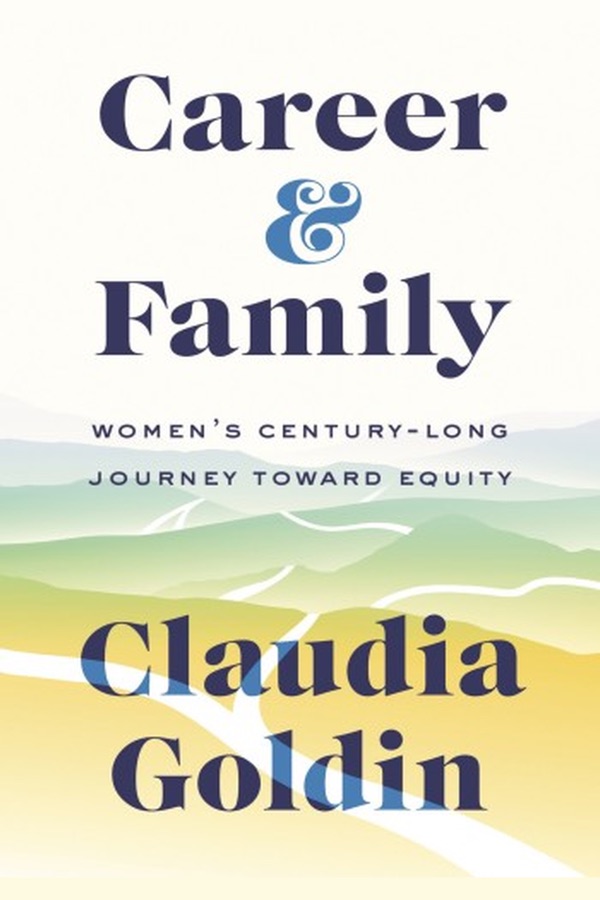
The cover of Career and Family

Career and Family

Claudia Goldin traces five generations of college educated women to show how greedy work and caregiving still divide careers, pay, and family life.

10 parts, about 28 minutes to read.

Why read it

  • Understand why the gender pay gap often widens after marriage and children, even when men and women begin their careers with similar earnings
  • See how a century of changing education, contraception, work, and family constraints reshaped women's pursuit of careers and children
  • Explore how job design, childcare, schedule control, and gender norms can reduce or intensify inequality within couples

Who it is for

  • Readers examining gender inequality beyond occupational choice
  • Couples navigating demanding careers and shared caregiving
  • Leaders redesigning work for flexibility without steep career penalties

What the summary covers

  1. The Problem Beneath the Pay Gap2 min
  2. Greedy Work and Couple Inequality2 min
  3. Five Generations Pass the Baton3 min
  4. The First Fork in the Road3 min
  5. A Job Before Family2 min
  6. Family First, Work Later3 min
  7. Career Before Family4 min
  8. Career and Family Together3 min
  9. Why the Gap Widens4 min
  10. Transforming Work and Care2 min

Recommended by

  • Emily OsterBrown University economist and author of Expecting Better
    This book is a must-read, especially for anyone balancing parenting with a career and frustrated with the disparate challenge on women in doing so.
About the author

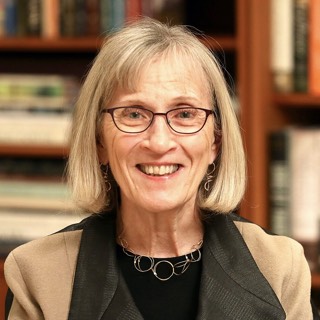
  • Claudia GoldinHarvard economic historian and labor economist, 2023 Nobel laureate in economic sciences
    • Goldin grew up in the Parkchester section of the Bronx in New York City.
    • She earned a bachelor's degree at Cornell University and a doctorate at the University of Chicago.
    • She is the Samuel W. Morris University Professor and Henry Lee Professor of Economics at Harvard University.
    • She codirects the NBER Gender in the Economy group.
    • Her research examines the female labor force, earnings gaps, inequality, technological change, education and immigration through economic history.
    • She received the 2023 Nobel Memorial Prize in Economic Sciences for advancing understanding of women's labor market outcomes.

More books like this