Knowingo
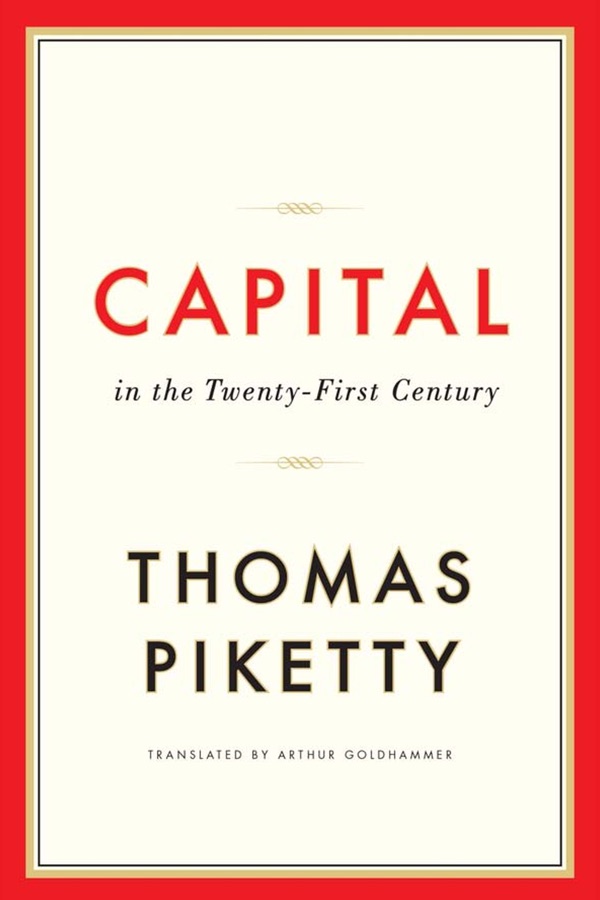
The cover of Capital in the Twenty First Century

Capital in the Twenty First Century

Three centuries of tax records show why inherited wealth grows faster than economies when returns on capital outpace growth, and how progressive taxes could put democracy back in charge.

12 parts, about 38 minutes to read.
Why read it

  • Shows that when the return on capital exceeds the growth rate, inherited wealth grows faster than output and wages
  • Uses three centuries of data to show how twentieth century wars shrank wealth and inequality, and why that may not last
  • Argues for a progressive annual tax on wealth, backed by financial transparency, to halt ever rising inequality

Who it is for

  • Readers who want data on how wealth and inheritance shape inequality
  • Citizens weighing taxes on wealth and high incomes
  • Students of economics and political economy

What the summary covers

  1. Marx, Kuznets and a debate without data4 min
  2. Income, capital and the slow arithmetic of growth3 min
  3. Capital's U curve: a century remade by war2 min
  4. The second law and the return of capital4 min
  5. Work or inheritance: the structure of inequality4 min
  6. America's supermanagers3 min
  7. Hyperconcentrated wealth and the logic of r > g4 min
  8. The past devours the future: the return of inheritance4 min
  9. Bigger fortunes, higher returns2 min
  10. The social state and the progressive income tax3 min
  11. A global tax on capital and the question of public debt3 min
  12. The central contradiction of capitalism2 min

Recommended by

  • Paul KrugmanNobel laureate in economics
    It seems safe to say that Capital in the Twenty-First Century, the magnum opus of the French economist Thomas Piketty, will be the most important economics book of the year—and maybe of the decade.
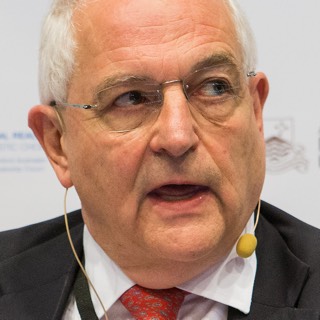
  • Martin WolfChief economics commentator at the Financial Times
    Piketty has written an extraordinarily important book
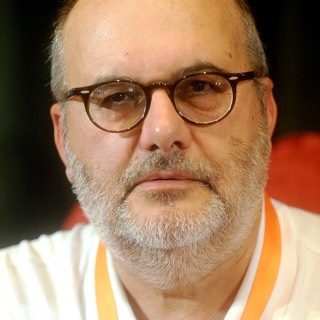
  • Branko MilanovicEconomist and research professor at the City University of New York
    A monumental book that will influence economic analysis (and perhaps policymaking) in the years to come.
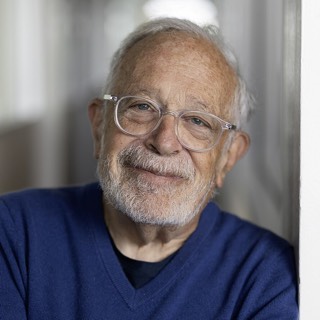
  • Robert B. ReichFormer US Secretary of Labor
    An extraordinary sweep of history backed by remarkably detailed data and analysis

About the author

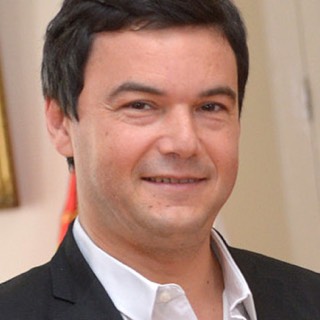
  • Thomas PikettyFrench economist, professor at EHESS and the Paris School of Economics
    • Declined the French Legion of Honour in January 2015.

Read it alongside

More books like this