Knowingo
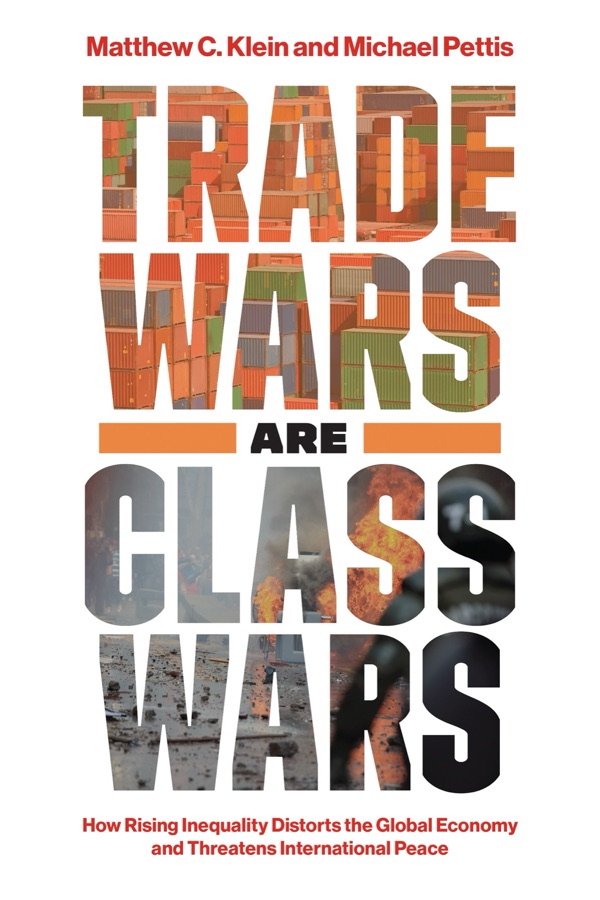
The cover of Trade Wars Are Class Wars

Trade Wars Are Class Wars

Explains how inequality in China, Germany, and the United States creates global surpluses, debt, financial instability, and trade conflict, then shows how redistribution can ease them.

7 parts, about 20 minutes to read.

Why read it

  • Understand how inequality inside major economies drives trade surpluses, foreign debt, financial crises, and political conflict
  • See why tariffs miss the class transfers that suppress household demand and push savings across borders
  • Explore practical reforms that raise household income, reduce dangerous capital flows, and preserve open exchange

Who it is for

  • General readers trying to understand global trade imbalances
  • Policymakers studying inequality, finance, and industrial decline
  • Students of political economy tracing trade disputes to domestic inequality

What the summary covers

  1. Class conflict crosses borders1 min
  2. How trade and finance changed3 min
  3. Saving, investment, and distribution3 min
  4. China's transfer model3 min
  5. Germany's internal weakness4 min
  6. The American exception4 min
  7. Ending the class wars2 min

Recommended by

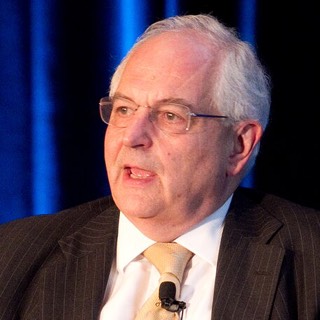
  • Martin WolfFinancial Times associate editor and chief economics commentator
    This is a very important book.
  • Adam ToozeColumbia historian of twentieth century and contemporary history
    Trade Wars are Class Wars is a must-read from two of the most astute commentators on the global economy.
  • Dani RodrikHarvard professor of international political economy
    This is a book that everyone concerned with the global economy should read.
About the authors

  • Matthew C. KleinEconomics journalist and founder of The Overshoot
    • He founded The Overshoot, a research service focused on economics, financial markets and public policy.
    • He was economics commentator at Barron's and previously worked at the Financial Times.
    • He received a Yale history degree with distinction in 2009.
  • Michael PettisPeking University finance professor who studies Chinese financial markets
    • He is a Carnegie China nonresident senior fellow and a finance professor at Peking University.
    • He has worked in trading, capital markets and corporate finance since 1987.
    • He earned Columbia graduate degrees in finance and development economics.
    • He was born in Zaragoza, Spain.

More books like this