

Mind and judgment
How people think, decide and go wrong, and what to do about it. 57 books, each condensed into about twenty minutes.
 Algorithms to Live ByBrian Christian, Tom GriffithsComputer science offers tested strategies for everyday dilemmas, from when to stop searching to how to schedule, sort, and predict, and shows many human struggles reflect genuinely hard problems.
 At the Existentialist CaféSarah BakewellFollow Sartre, Beauvoir, Heidegger, and their circle as phenomenology becomes a lived philosophy of freedom, ambiguity, embodiment, political responsibility, and moral risk.
 Being You: A New Science of ConsciousnessAnil SethNeuroscientist Anil Seth argues that consciousness is a controlled hallucination, the brain's best guess about the causes of its sensory signals, built on the body's drive to stay alive.
 BlinkMalcolm GladwellSnap judgments made in the first two seconds can beat months of analysis, and can also go badly wrong. Learn when to trust them and how to train them.
 Daring GreatlyBrené BrownSee why vulnerability is the birthplace of courage and connection, and learn to recognize shame and set down the armor that keeps you from being seen at home and work.
 David and GoliathMalcolm GladwellWhy a giant's strengths are often its weakness, and how disadvantage can arm the underdog: David's sling, dyslexic entrepreneurs, civil rights tricksters, and a French village defying Vichy.
 Emotional IntelligenceDaniel GolemanDiscover why emotional skills like self control and empathy shape success and relationships more than IQ, and can be learned at any age.
 FlowMihaly CsikszentmihalyiLearn how to enter the absorbed state where challenge meets skill, so you can draw real enjoyment from work, relationships and hardship instead of waiting for good fortune.
 Hidden PotentialAdam GrantAdam Grant shows how character skills, useful discomfort, and support from others help people develop abilities that early tests may miss.
 Hope for CynicsJamil ZakiLearn how cynicism distorts judgment, how trust can be evidence based without becoming naive, and how hopeful skepticism turns uncertainty into collective action.
 How Minds ChangeDavid McRaneyWhy facts alone rarely change minds, and how deep canvassing, street epistemology and other conversation methods help people talk themselves into new views on gay marriage, abortion and vaccines.
 How to Change Your MindMichael PollanMichael Pollan moves from early LSD research to his own guided trips and new trials with the dying, the addicted and the depressed, asking what psychedelics reveal about the mind.
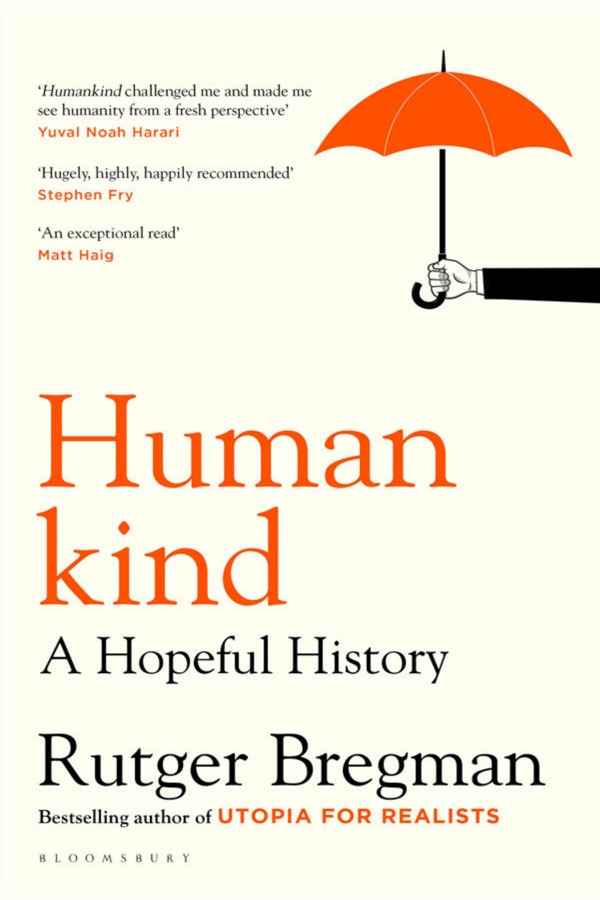 HumankindRutger BregmanA hopeful challenge to cynical assumptions about human nature, showing through evidence how trust and humane institutions can make cooperation more likely.
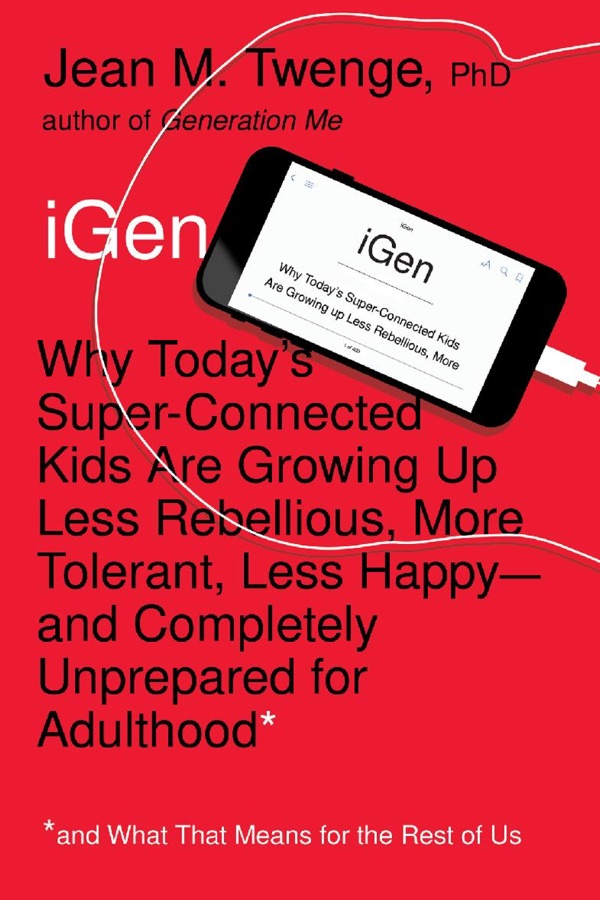 iGenJean M. TwengeA data rich look at how smartphones reshaped adolescence, bringing safer choices and broader acceptance while eroding connection, independence, and mental well being.
 InfluenceRobert B. CialdiniLearn the six shortcuts that make us say yes without thinking, how professionals counterfeit them to exploit us, and how to spot the trap and decline.
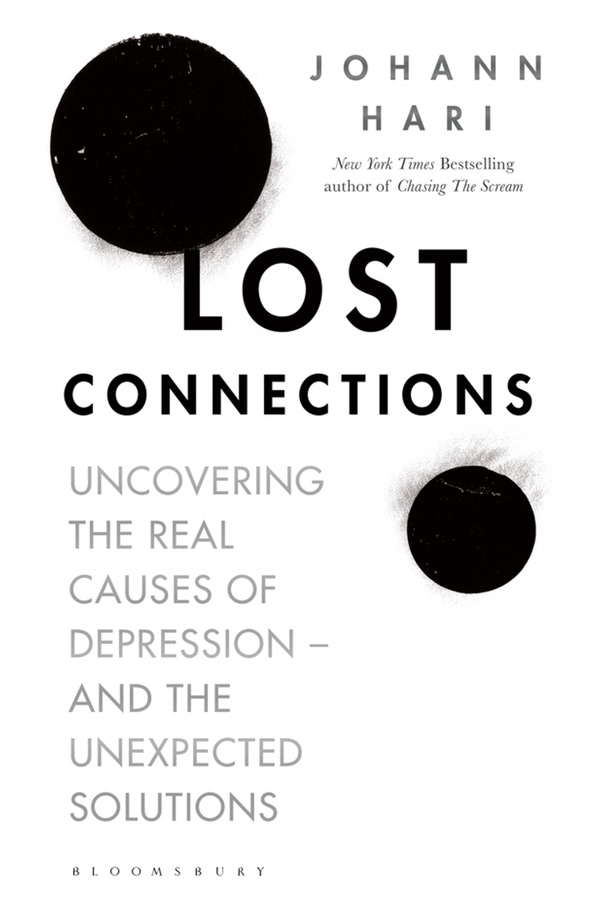 Lost ConnectionsJohann HariWhy depression and anxiety track disconnection from meaningful work, other people, values, status, nature and a hopeful future, what the evidence says about antidepressants, and how reconnecting has helped people.
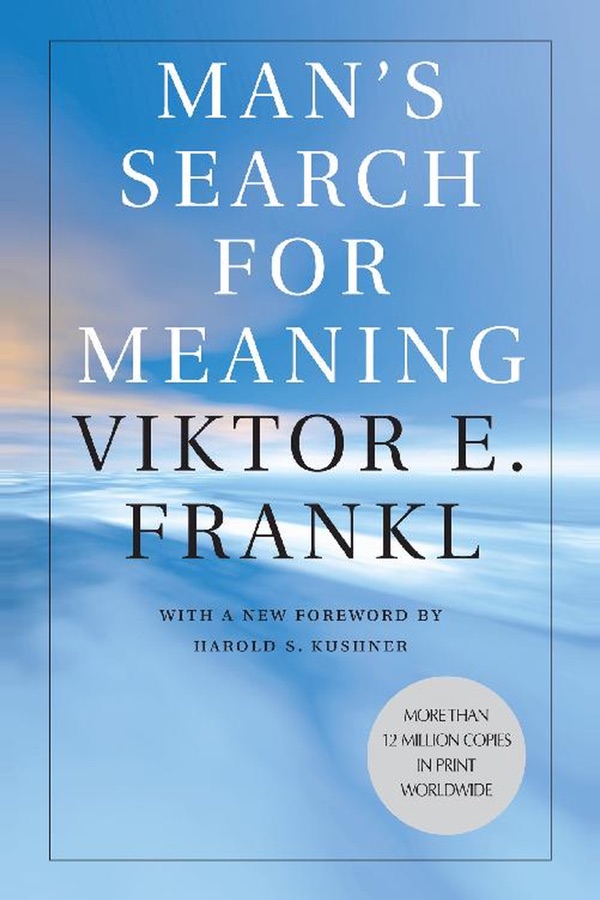 Man's Search for MeaningViktor E. FranklIn the Nazi camps, a psychiatrist saw that people with a reason to live can bear almost anything. His book shows how to find meaning, even in suffering.
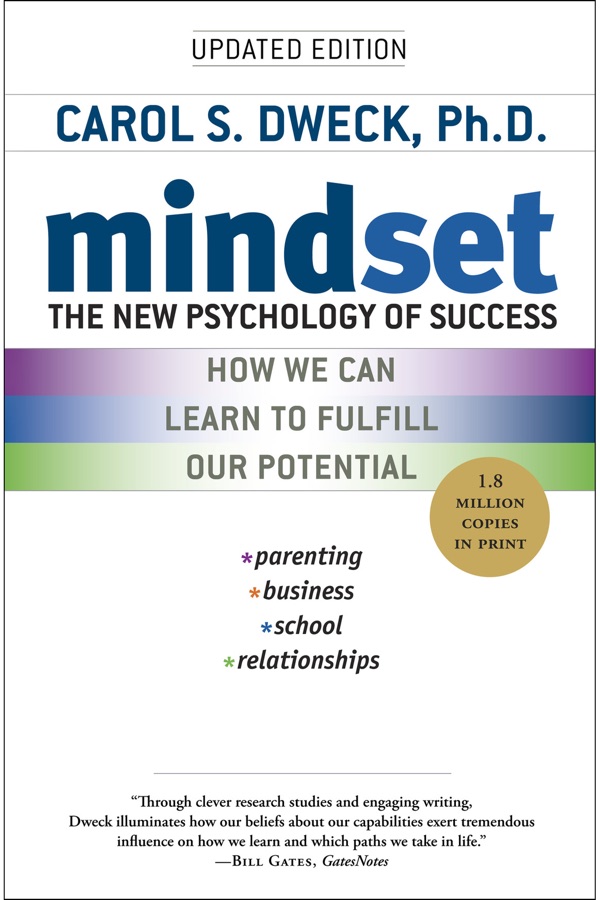 MindsetCarol S. DweckSee how believing your abilities are fixed or can grow shapes the way you handle challenge, effort, failure and praise, and why a real growth mindset takes more than effort.
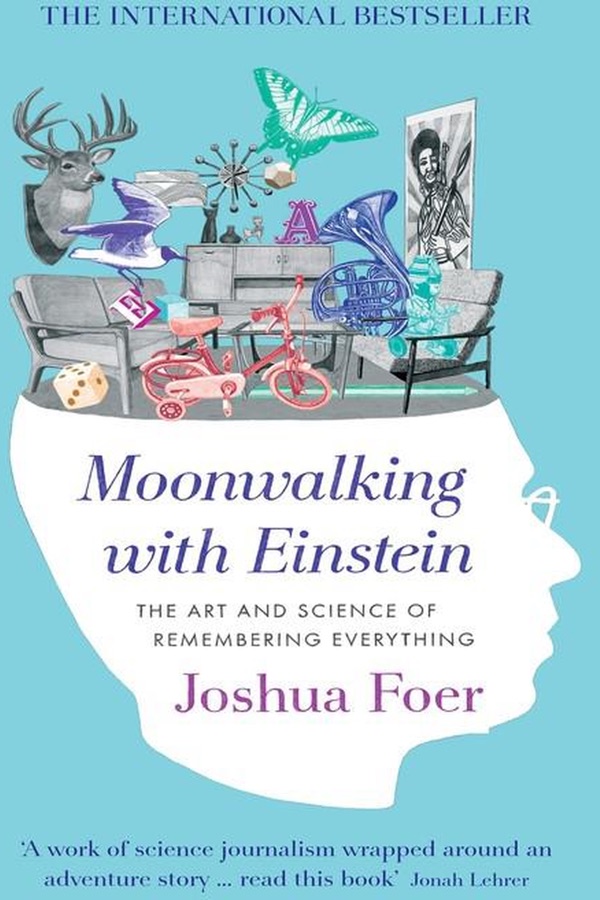 Moonwalking with EinsteinJoshua FoerJoshua Foer, a journalist with an average memory, trains for a year and wins the U.S. Memory Championship, showing how the ancient memory palace lets ordinary minds remember far more.
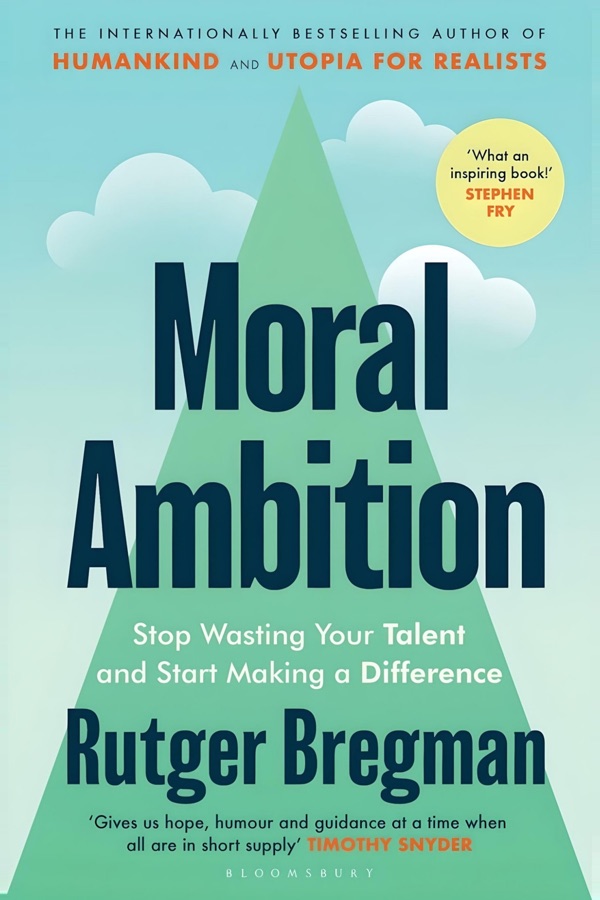 Moral AmbitionRutger BregmanToo much talent is wasted on pointless jobs. Bregman shows how to put yours toward the world's biggest problems, and how idealists actually win.
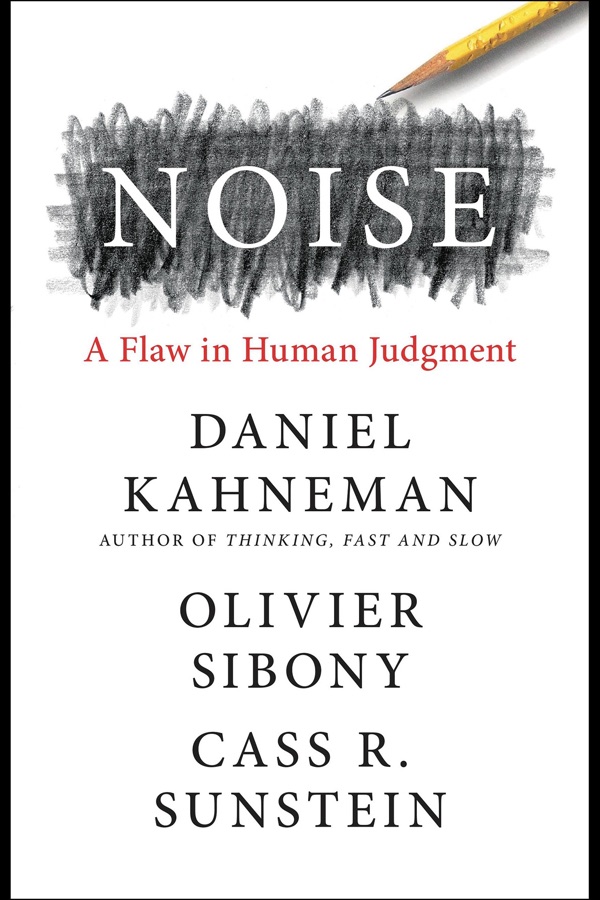 Noise: A Flaw in Human JudgmentDaniel Kahneman, Olivier Sibony, Cass R. SunsteinWhy do judges, doctors, and underwriters given the same case reach wildly different answers? Learn how noise in judgment does as much damage as bias, and how to reduce it.
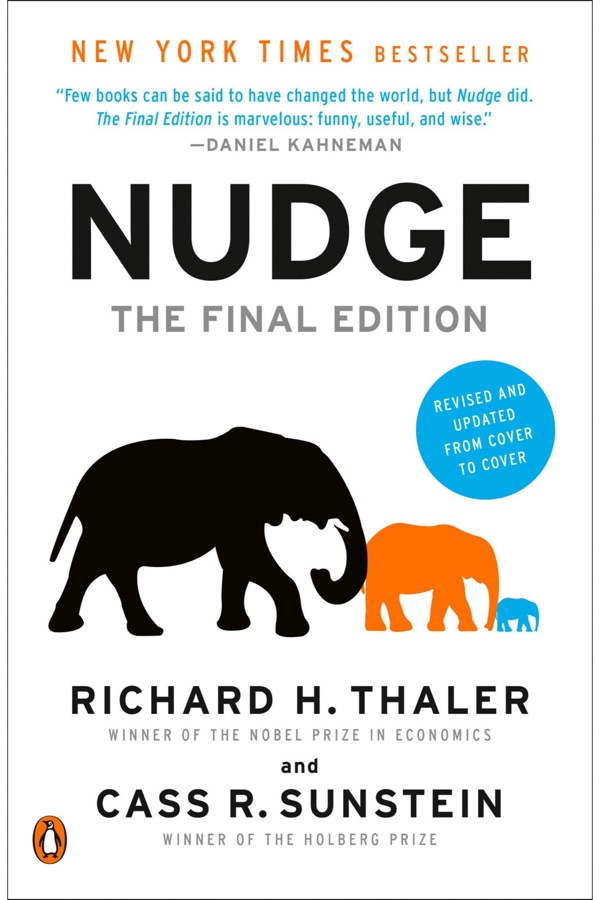 Nudge: The Final EditionRichard H. Thaler, Cass R. SunsteinSmall changes in how choices are presented shape what people do. Learn how defaults, reminders and less hassle help people save, stay healthy and choose well, with freedom intact.
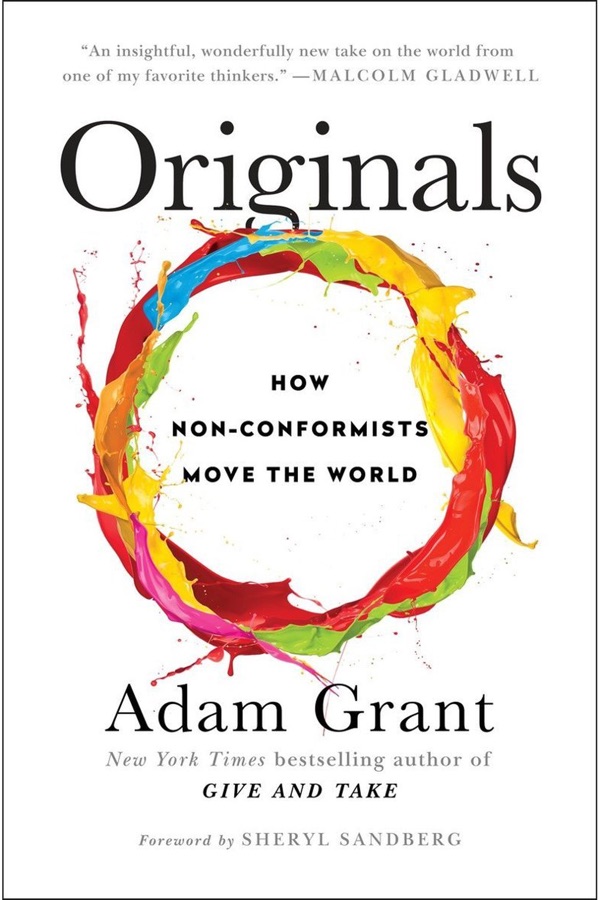 OriginalsAdam GrantGrant shows original thinkers are not fearless risk takers: they hedge with day jobs, trust peers over managers to judge ideas, delay strategically, and turn fear into useful dissent.
 Other MindsPeter Godfrey SmithMeet an intelligence evolved on a separate branch of life, and discover how octopus bodies, senses, short lives, and social experiments reshape the question of consciousness.
 Pre SuasionRobert B. CialdiniLearn why the moment before a request decides the answer: how attention is channelled, which cues seize it, and how a passing shift becomes lasting commitment.
 Predictably IrrationalDan ArielyOur mistakes are not random; they repeat in predictable ways. Experiments on decoys, free offers, price and honesty reveal the hidden forces steering everyday choices.
 QuietSusan CainA third to a half of Americans are introverts in a culture built for talkers. See why quiet temperaments think and lead differently, and how to work with yours.
 Revenge of the Tipping PointMalcolm GladwellDiscover how hidden social boundaries, group proportions, and a powerful few shape epidemics, and why recognizing human agency is essential to preventing harm.
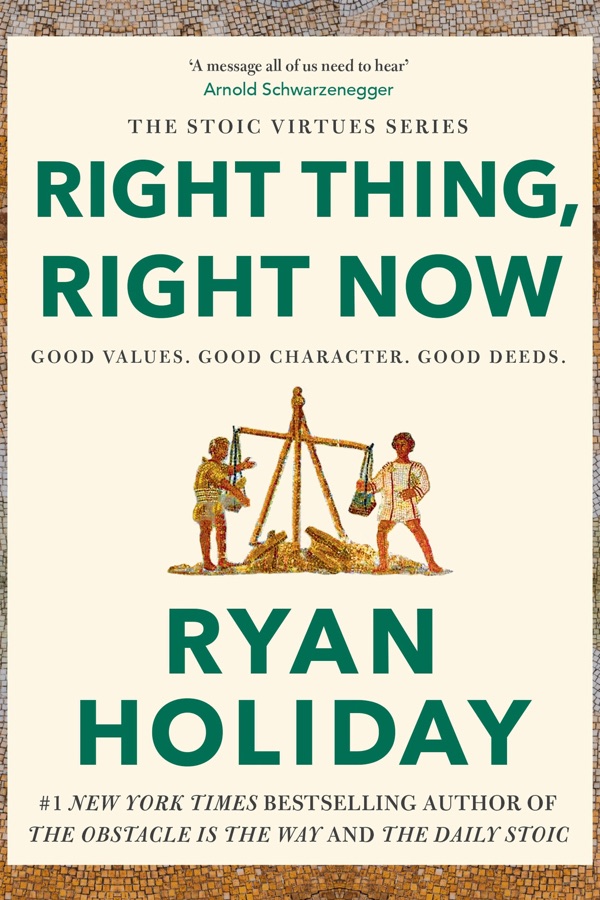 Right Thing, Right NowRyan HolidayDiscover how historical exemplars chose moral integrity over expediency, and learn how everyday justice turns personal honor, systemic reform, and radical kindness into enduring impact.
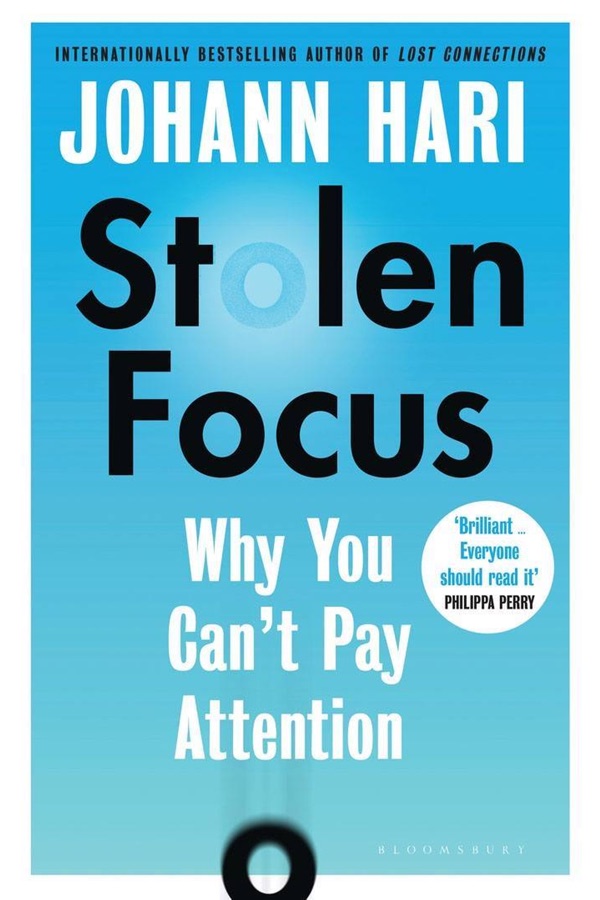 Stolen FocusJohann HariWhy so many of us struggle to pay attention, and how app design, lost sleep, stress, diet and pollution may be eroding focus beyond the reach of willpower.
 Stumbling on HappinessDaniel GilbertDaniel Gilbert explains why our brains so often mispredict what will make us happy, from filling in and leaving out details to projecting today's feelings onto tomorrow.
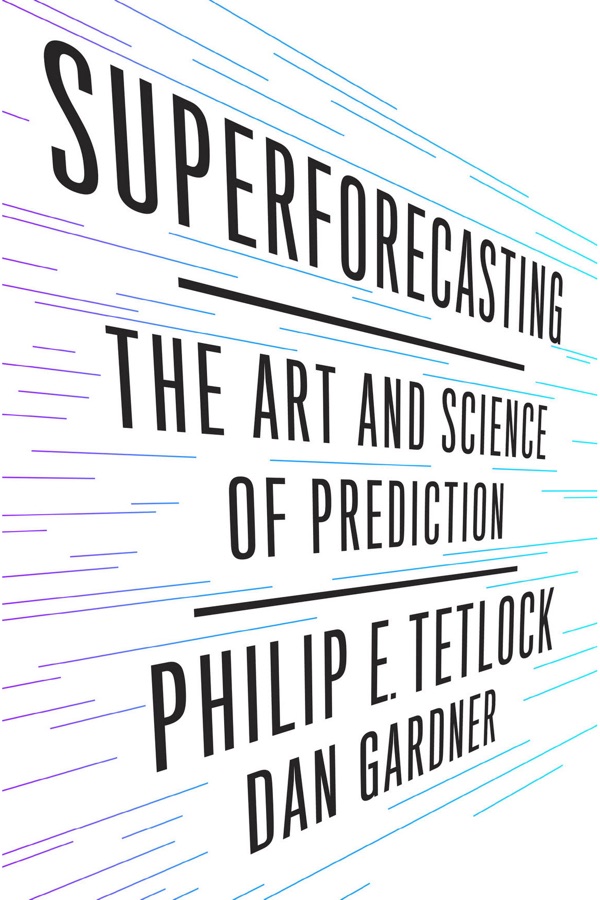 Superforecasting: The Art and Science of PredictionPhilip E. Tetlock, Dan GardnerHow ordinary volunteers came to forecast world events better than professional analysts, and the learnable habits behind it: precise probabilities, small frequent updates, and beliefs treated as hypotheses.
 Talking to StrangersMalcolm GladwellWhy do we misread strangers? Spies, con men, police stops and campus assaults show how our instinct to trust, and our faith that faces reveal feelings, lead us wrong.
 The Black SwanNassim Nicholas TalebWhy rare, unforeseeable shocks shape history, markets and our own lives, why experts and bell curves keep missing them, and how to limit the damage and even gain from them.
 The Body Keeps the ScoreBessel van der KolkA psychiatrist shows how trauma lives on in the brain and body long after the danger has passed, and why healing needs safety, connection and the body, not talk alone.
 The Consolations of PhilosophyAlain de BottonFeeling unpopular, short of money, frustrated, inadequate, heartbroken or struggling? Six philosophers, from Socrates to Nietzsche, offer practical comfort for life's most common sorrows.
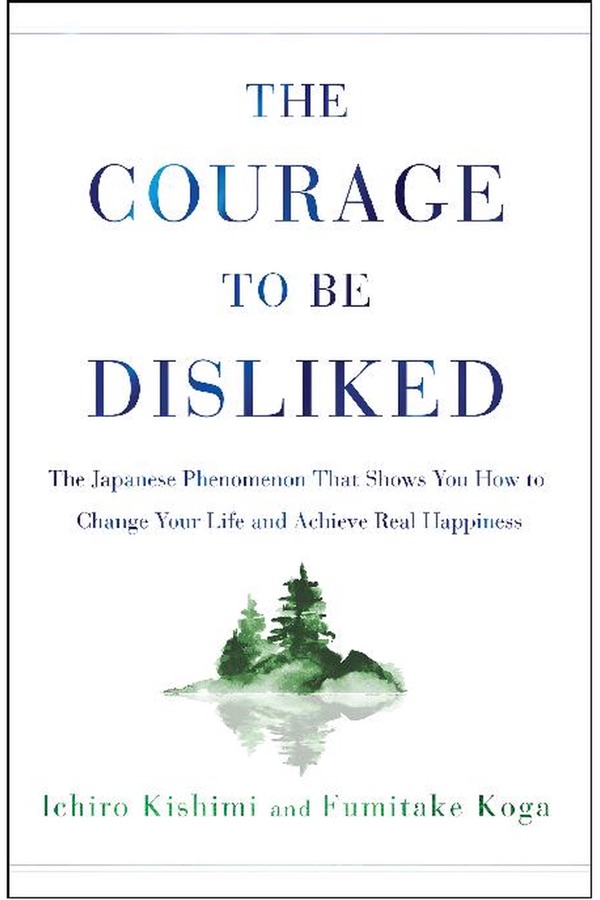 The Courage to Be DislikedIchiro Kishimi, Fumitake KogaYour past does not decide your life. Stop living for other people's approval, accept that some will dislike you, and find happiness in contributing to others.
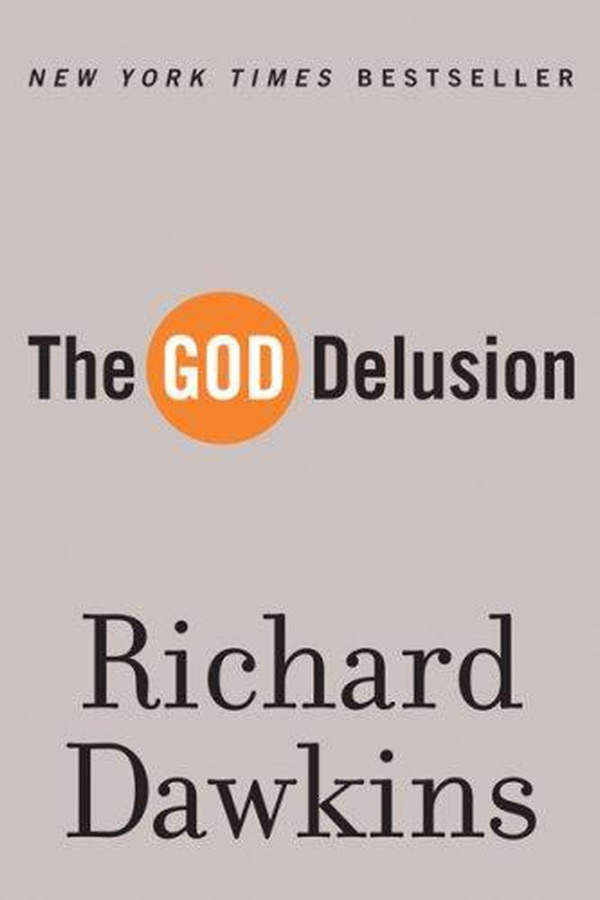 The God DelusionRichard DawkinsRichard Dawkins makes the case that a supernatural creator almost certainly does not exist, traces religion to misfiring evolved instincts, and argues that morality needs no God.
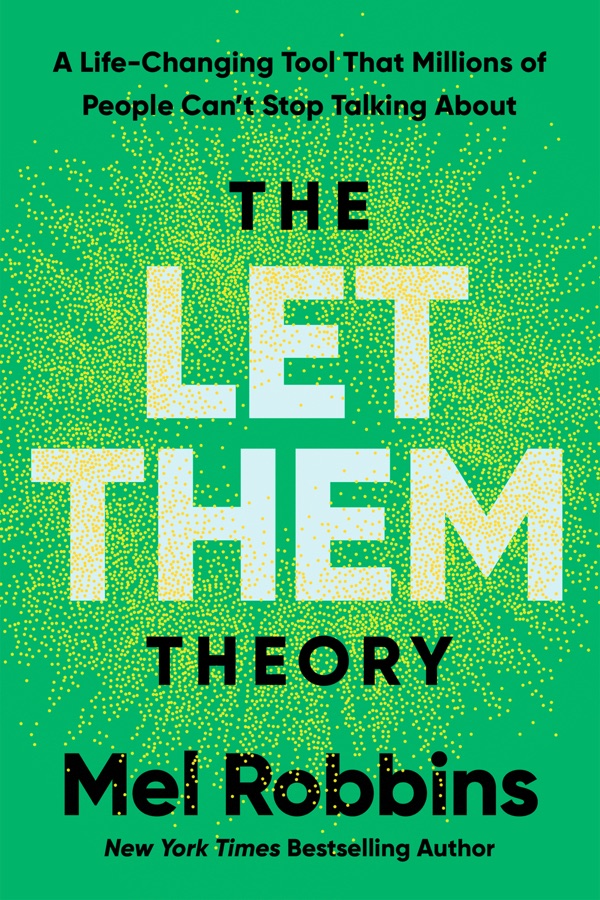 The Let Them TheoryMel Robbins, Sawyer RobbinsMel Robbins shows how two phrases, Let Them and Let Me, stop you from trying to control other adults and put your energy back into your own choices.
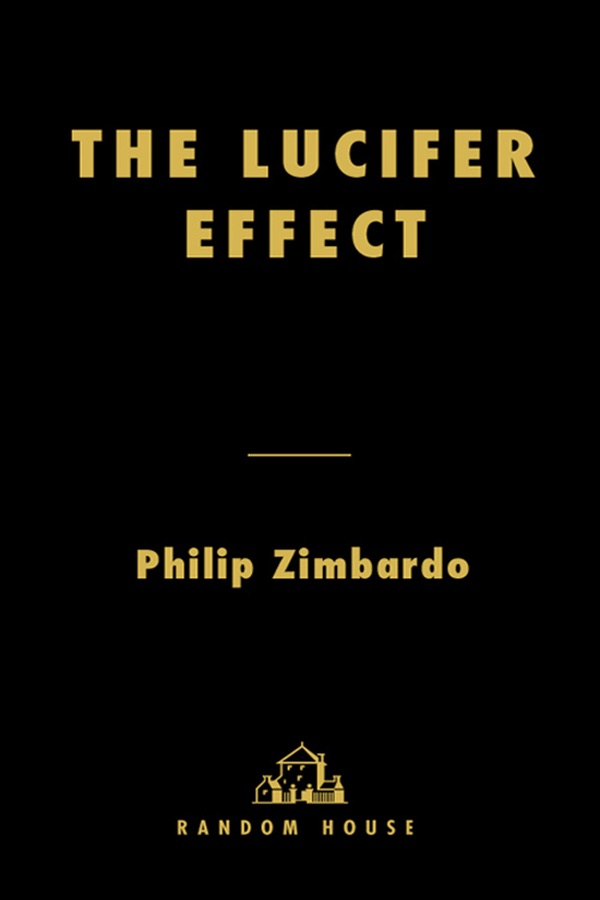 The Lucifer EffectPhilip ZimbardoThe psychologist behind the Stanford Prison Experiment shows how situations and the Systems behind them turn ordinary people cruel, from his mock prison to Abu Ghraib, and how to resist.
 The Man Who Mistook His Wife for a HatOliver SacksClinical tales of patients who lost or gained a part of the self, including a man who mistook his wife for a hat, told by their neurologist.
 The Mountain Is YouBrianna WiestBrianna Wiest treats self sabotage as an unconscious need being met, and shows how to read your triggers, let go of the past and grow into someone new.
 The Obstacle Is the WayRyan HolidayLearn the Stoic method for meeting setbacks: see problems clearly, act on what you control, and accept the rest, drawn from Marcus Aurelius and people who turned hardship into advantage.
 The Paradox of Choice: Why More Is LessBarry SchwartzExplore why expanding options can erode satisfaction and how Barry Schwartz uses satisficing, commitments, and selective limits to make choice serve a fuller life.
 The Righteous MindJonathan HaidtDiscover why good people disagree on politics and religion, how moral intuitions precede reasoning, and how understanding different moral foundations helps bridge deep social divides.
 The ScoreC. Thi NguyenWhy do grades, rankings and step counts take over what we care about? Nguyen shows how games teach us to use scores without letting them rule us.
 The Scout MindsetJulia GalefWhy do some people see clearly while others fool themselves? Julia Galef shows how to want the truth, hold beliefs with calibrated confidence and change your mind without shame.
 The Sirens’ CallChris HayesSee why attention is a social need before it is a personal choice, how markets learned to capture it, and what reclaiming it requires.
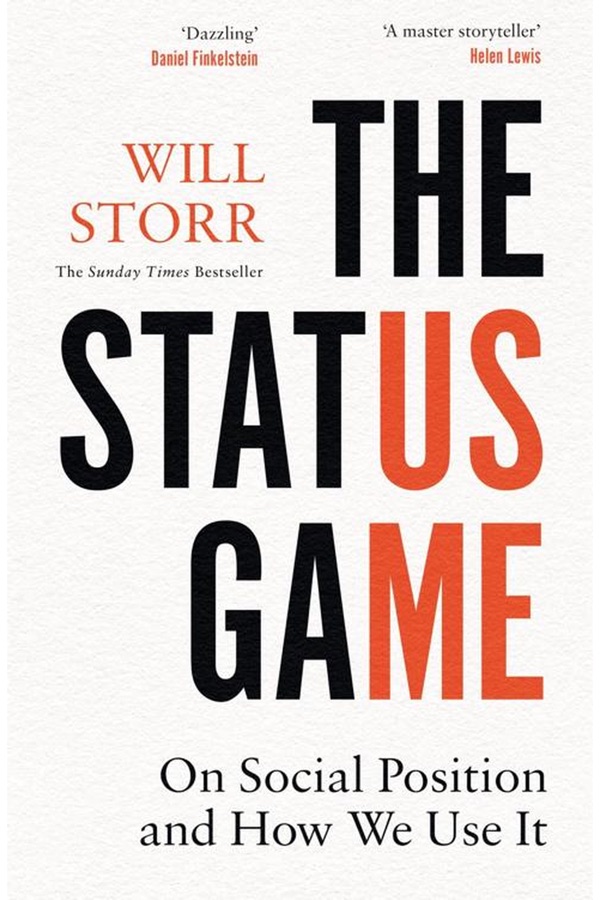 The Status GameWill StorrWill Storr shows how the universal drive for status shapes love, work, morality and politics, and how to recognize the game without being ruled by it.
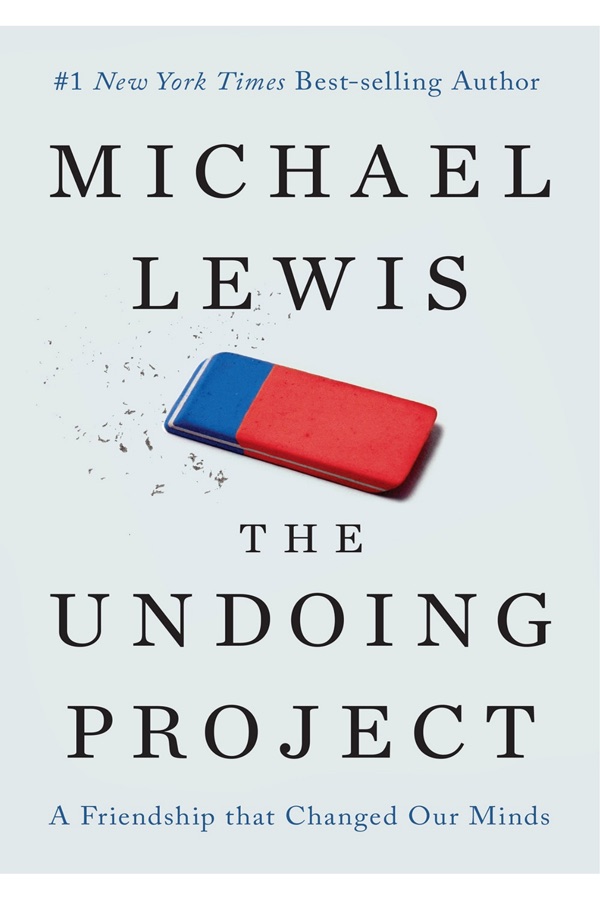 The Undoing ProjectMichael LewisIsraeli psychologists Danny Kahneman and Amos Tversky spent years showing how the mind misjudges chance and risk; their ideas reached basketball, medicine and economics before their partnership came apart.
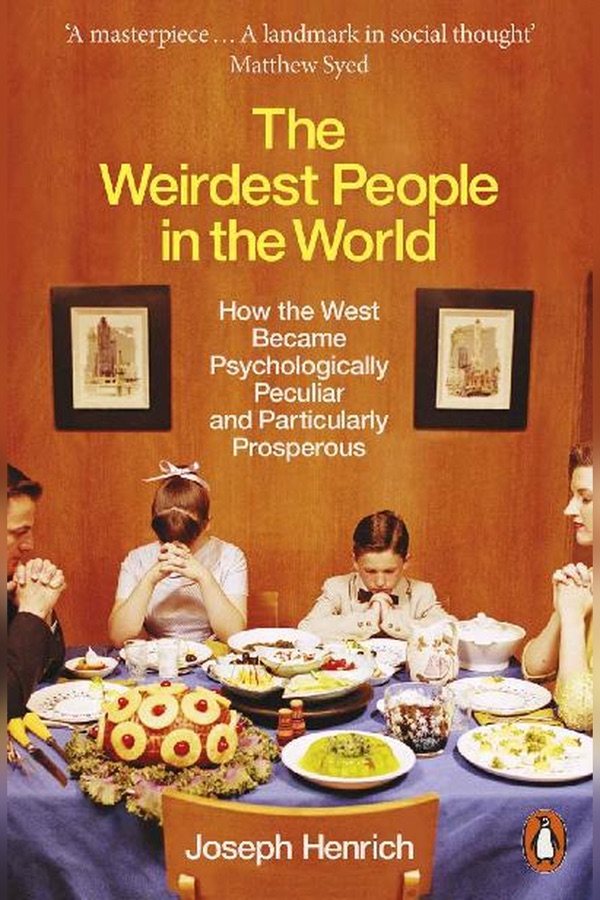 The Weirdest People in the WorldJoseph HenrichSee how the medieval Church's rules on marriage and family broke up Europe's clans, reshaped how Westerners think, and helped give rise to impersonal markets, democracy, law and science.
 Think AgainAdam GrantAdam Grant explores why the ability to rethink matters more than raw intelligence and how confident humility leads to better decisions.
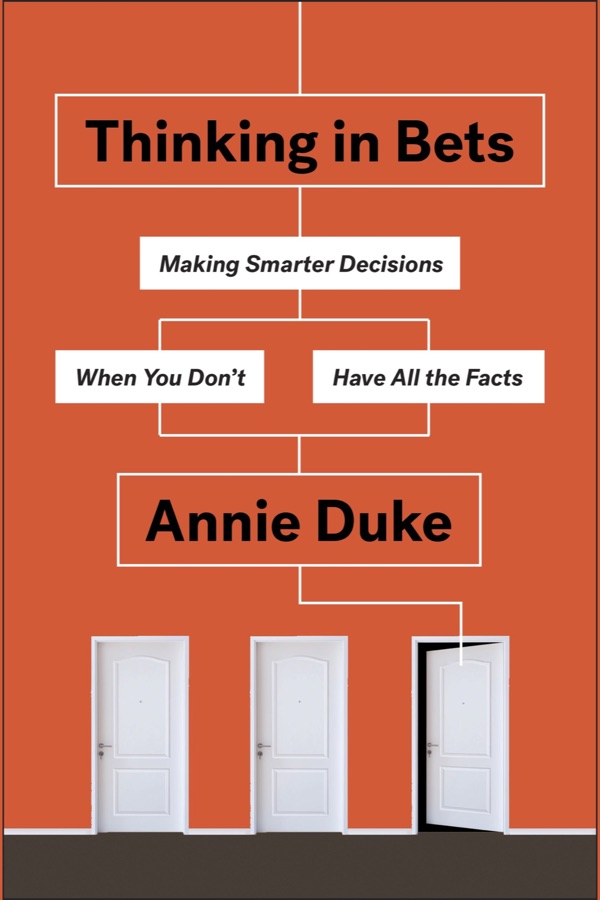 Thinking in BetsAnnie DukeAnnie Duke uses poker to show how luck obscures decision quality, and how to test beliefs, learn from results, invite dissent, and plan for uncertain futures.
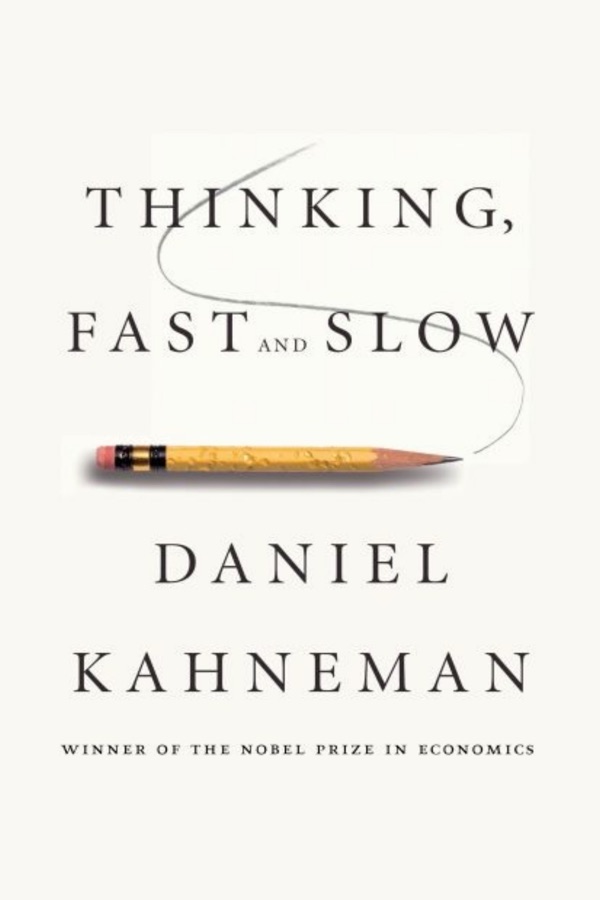 Thinking, Fast and SlowDaniel KahnemanLearn to spot the predictable mental shortcuts behind confident bad judgments, and pick up practical correctives like base rates, outside views, and checks your organization can build into decisions.
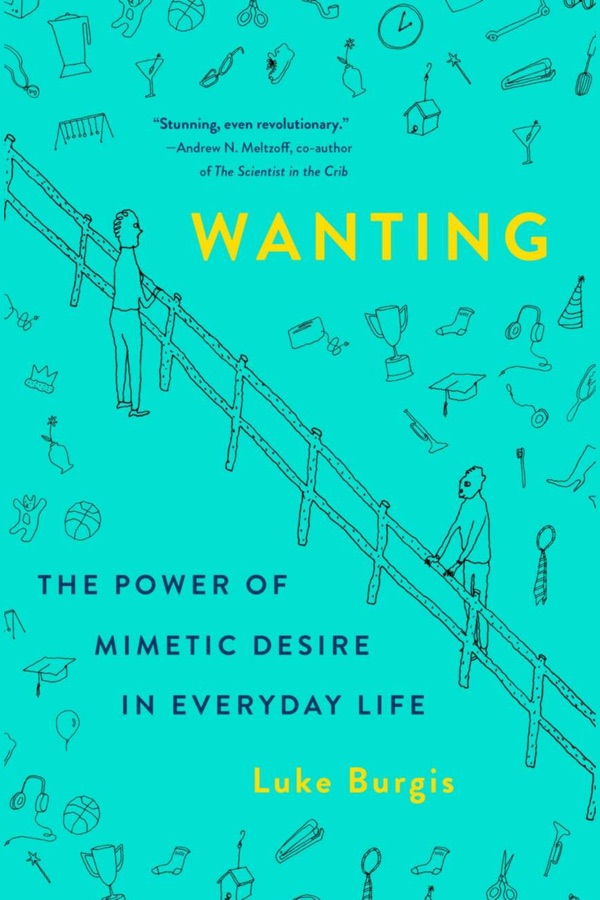 WantingLuke BurgisMost of what we want is copied from other people. Luke Burgis shows how this hidden imitation fuels rivalry and scapegoating, and how to find deeper desires worth pursuing.
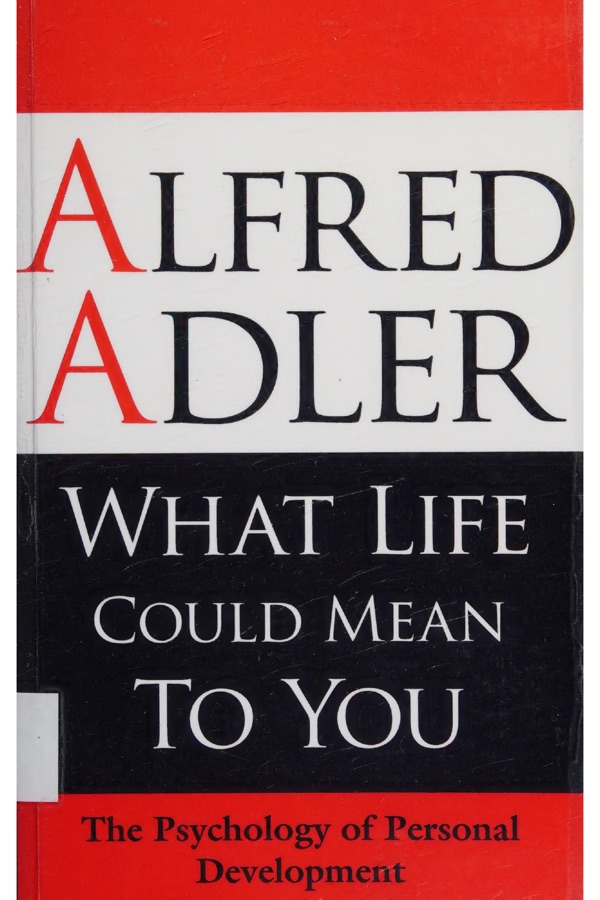 What Life Could Mean to YouAlfred AdlerYour childhood gave you a private answer to what life means. Adler shows how to trade it for one built on contribution, courage and equal partnership.
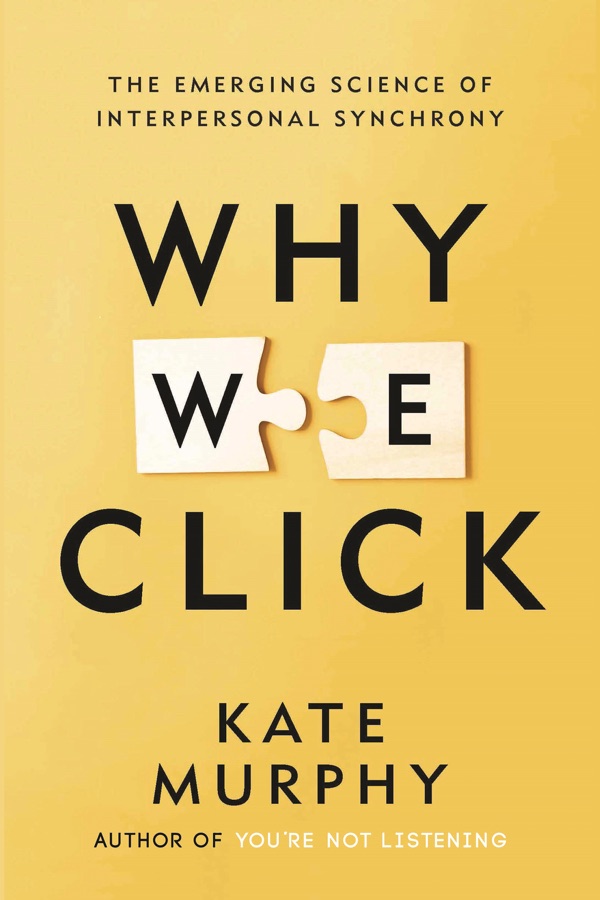 Why We ClickKate MurphyWhy do you click with some people and not others? A journalist explores the new science of how people fall into rhythm and why it shapes our moods.