Knowingo
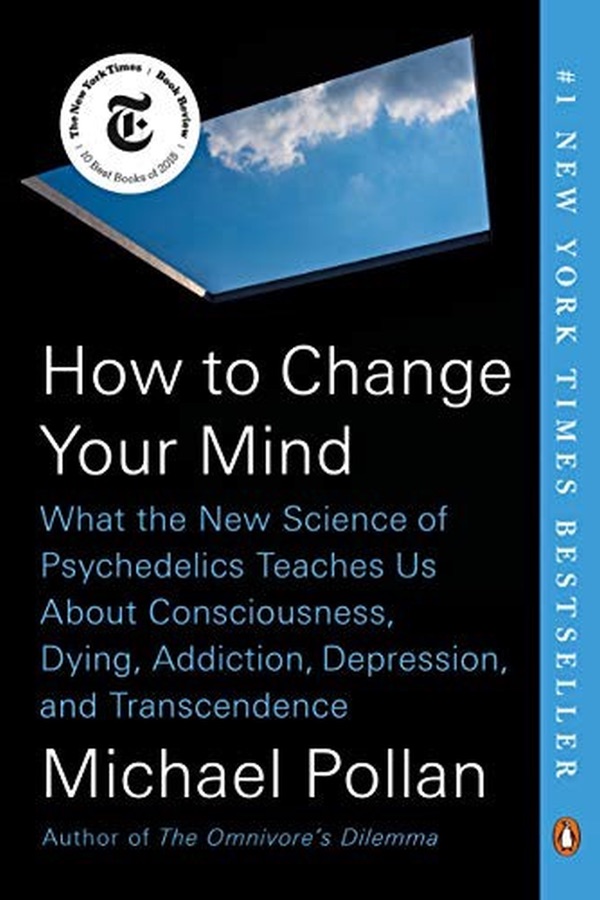
The cover of How to Change Your Mind

How to Change Your Mind

Michael Pollan moves from early LSD research to his own guided trips and new trials with the dying, the addicted and the depressed, asking what psychedelics reveal about the mind.

8 parts, about 28 minutes to read.

Why read it

  • Traces how psychedelics went from banned drugs back into rigorous trials for depression, addiction and fear of dying
  • Changes how you think about the ordinary self, ego and habit by showing what happens when they loosen
  • Combines history, brain imaging research and the author's own guided experiences, with honest caveats about early hype

Who it is for

  • Readers curious about new treatments for depression or addiction
  • Skeptics raised on drug panic who want the evidence
  • People interested in consciousness and mystical experience

What the summary covers

  1. A New Door2 min
  2. A Renaissance4 min
  3. Natural History3 min
  4. History4 min
  5. Travelogue5 min
  6. The Neuroscience3 min
  7. The Trip Treatment5 min
  8. In Praise of Neural Diversity2 min

Recommended by

  • Andrew WeilPhysician and author of The Natural Mind
    Michael Pollan assembles a great deal of information here on the history, science, and effects of psychedelics.
About the author

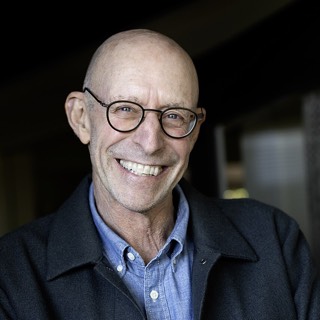
  • Michael PollanAmerican journalist writing on food and the mind, and professor at Harvard University
    • Born on 6 February 1955.
    • Studied at Mansfield College, Oxford, then took a B.A. in English from Bennington College in 1977 and an M.A. in English from Columbia University in 1981.
    • For more than thirty years he has written books and articles about the places where the human and natural worlds meet: on our plates, in our farms and gardens, and in our minds.
    • Contributing writer to the New York Times Magazine since 1987.
    • In 2003 he became the Knight Professor of Journalism at UC Berkeley's Graduate School of Journalism and director of its Knight Program in Science and Environmental Journalism.
    • In 2017 he was appointed Professor of the Practice of Nonfiction at Harvard and the university's first Lewis Chan Lecturer in the Arts.
    • In 2020 he cofounded the UC Berkeley Center for the Science of Psychedelics, with Dacher Keltner and others.
    • Named one of the 100 most influential people in the world by Time magazine in 2010.

More books like this