Knowingo
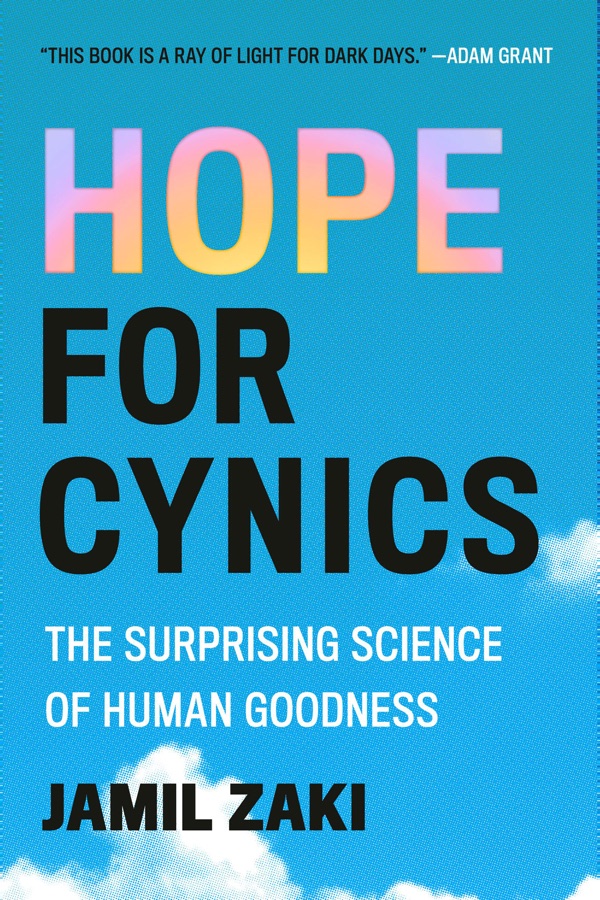
The cover of Hope for Cynics

Hope for Cynics

Learn how cynicism distorts judgment, how trust can be evidence based without becoming naive, and how hopeful skepticism turns uncertainty into collective action.

8 parts, about 20 minutes to read.

Why read it

  • Argues that cynicism often misreads people, and that hopeful skepticism grounded in evidence serves you better than blanket distrust
  • Shows how to test your assumptions about others and extend trust in ways that invite trust back
  • Draws on lab experiments, field studies of schools and villages, and the author's own struggle with suspicion

Who it is for

  • Chronic skeptics who suspect their distrust is costing them
  • Managers and teachers shaping how institutions treat people
  • Activists worn down by bad news and looking for footing

What the summary covers

  1. Why Cynicism Feels True3 min
  2. The Smart and Safe Illusion2 min
  3. How People Learn Mistrust3 min
  4. Why We Underrate One Another2 min
  5. Expectations Change Behavior2 min
  6. Reconnecting People and Institutions2 min
  7. Conflict, Justice, and Collective Efficacy3 min
  8. Common Fate and Practiced Hope3 min

Recommended by

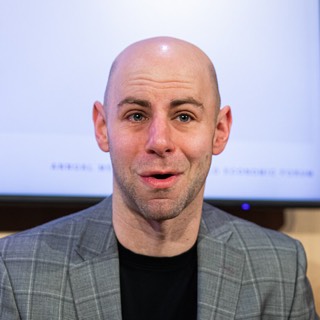
  • Adam GrantOrganizational psychologist and Wharton professor
    This book is a ray of light for dark days.
About the author

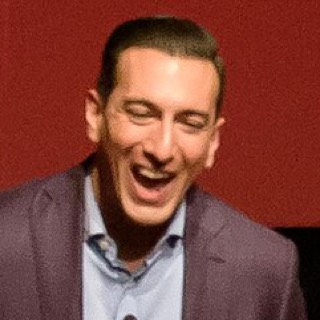
  • Jamil ZakiProfessor of psychology at Stanford University and director of its Social Neuroscience Lab
    • He earned a PhD in psychology from Columbia University in 2010.
    • He trained at Columbia and Harvard, studying empathy and kindness in the human brain.
    • He studied neuroscience as an undergraduate at Boston University.
    • His research examines the cognitive and neural bases of social behavior, including empathy, social influence and prosociality.
    • He has published over 100 peer reviewed articles and received more than two dozen awards from scientific associations and universities.
    • He has written about the psychology of connection for outlets including The New York Times, The New Yorker, The Atlantic and Harvard Business Review.
    • His first book was The War for Kindness, and Hope for Cynics is his second.

More books like this