Knowingo
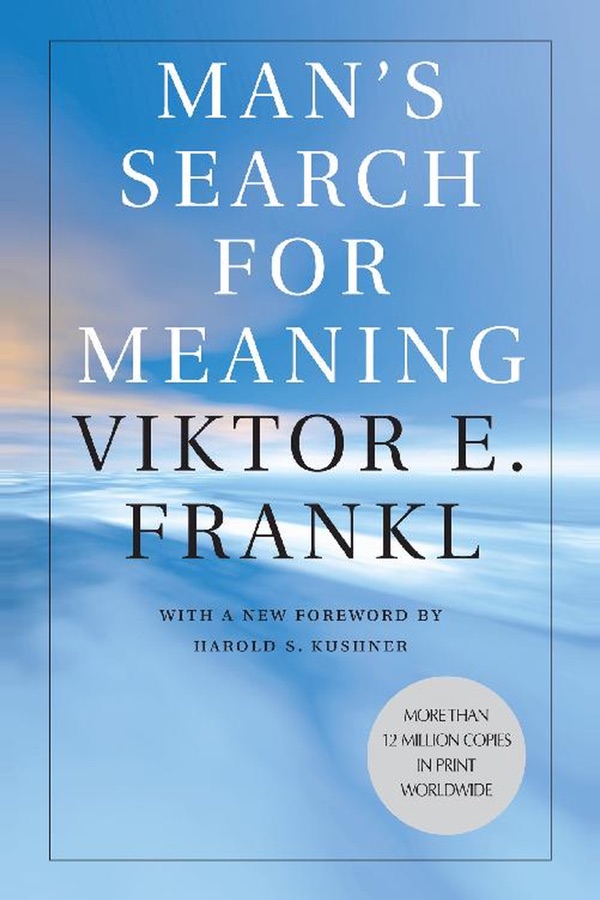
The cover of Man's Search for Meaning

Man's Search for Meaning

In the Nazi camps, a psychiatrist saw that people with a reason to live can bear almost anything. His book shows how to find meaning, even in suffering.

14 parts, about 25 minutes to read.

Why read it

  • Argues from a camp survivor's own experience that life keeps its meaning in any circumstance, even through unavoidable suffering
  • Offers a practical shift: stop asking what you expect from life and ask what life is asking of you
  • Pairs a spare firsthand account of camp psychology with the therapy it inspired, built on the will to meaning

Who it is for

  • People living through grief, illness or loss
  • Readers who feel busy yet empty inside
  • Therapists and counselors curious about meaning centered approaches

What the summary covers

  1. Why I wrote this book1 min
  2. Everyday life in the camp1 min
  3. The first phase: shock2 min
  4. The second phase: apathy1 min
  5. The inner life of the prisoner1 min
  6. The last human freedom2 min
  7. A future to live for4 min
  8. Guards and prisoners1 min
  9. The third phase: liberation1 min
  10. Logotherapy and the will to meaning2 min
  11. The meaning of life2 min
  12. The meaning of suffering2 min
  13. Freedom and responsibility2 min
  14. The case for a tragic optimism3 min

Recommended by

  • Carl R. RogersAmerican psychologist, founder of person centered therapy
    One of the outstanding contributions to psychological thought in the last fifty years.
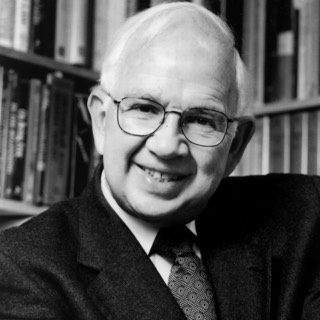
  • Harold S. KushnerRabbi and author of When Bad Things Happen to Good People
    One of the great books of our time.
  • Anderson CooperCNN anchor of Anderson Cooper 360
  • Jimmy FallonHost of The Tonight Show
    This is a book I try to read every couple of years. It’s one of the most inspirational books ever written.
About the author

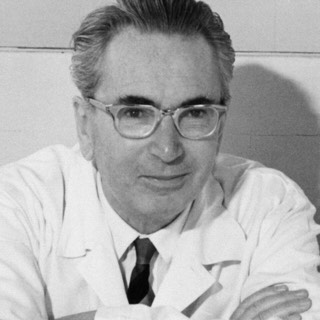
  • Viktor E. FranklAustrian psychiatrist and neurologist who founded logotherapy; Holocaust survivor, died 1997
    • Born 26 March 1905 in Vienna; died there 2 September 1997
    • Earned his M.D. at the University of Vienna in 1930 and then worked at Steinhof Psychiatric Hospital with suicidal women
    • Sent with his family to the Theresienstadt concentration camp in 1942, nine months after his marriage
    • Spent three years in four concentration camps
    • Awarded a professorship of neurology and psychiatry at the University of Vienna in 1955
    • Received the American Psychiatric Association's 1985 Oskar Pfister Award

More books like this