
Knowingo
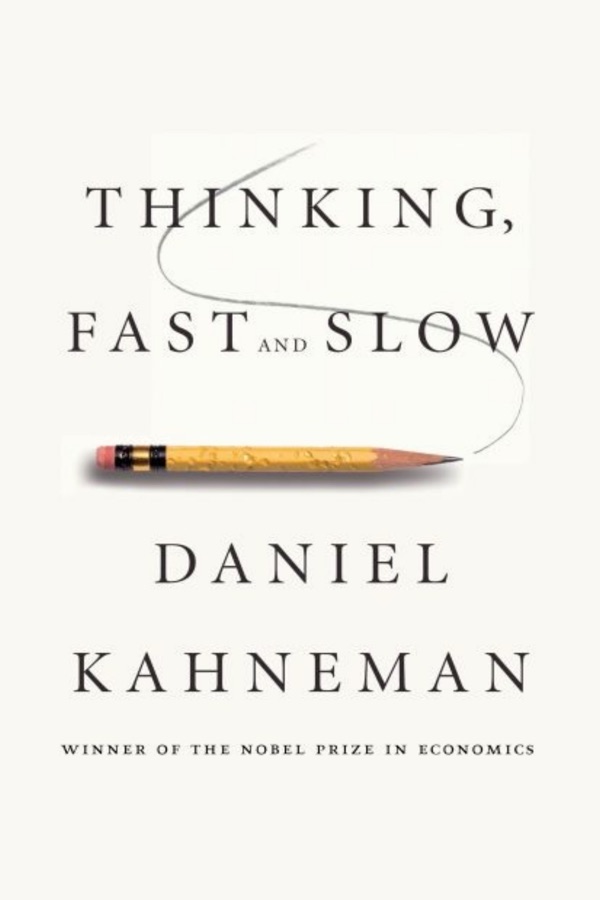
The cover of Thinking, Fast and Slow

Thinking, Fast and Slow

Learn to spot the predictable mental shortcuts behind confident bad judgments, and pick up practical correctives like base rates, outside views, and checks your organization can build into decisions.

7 parts, about 22 minutes to read.
Why read it

  • Explains judgment as a fast, automatic mode supervised by a slow, lazy one, and why their errors are predictable
  • Gives you names for anchoring, base rate neglect and loss aversion, so you can spot them in real decisions
  • Shows when expert intuition deserves trust, and how the outside view and a premortem check confident plans

Who it is for

  • Managers who make forecasts, hires or investment calls
  • Doctors, analysts and judges who rely on expert intuition
  • Policy makers weighing public fear against measured risk

What the summary covers

  1. Introduction1 min
  2. Part I. Two Systems5 min
  3. Part II. Heuristics and Biases5 min
  4. Part III. Overconfidence3 min
  5. Part IV. Choices5 min
  6. Part V. Two Selves2 min
  7. Conclusions1 min

Recommended by

  • Nassim Nicholas TalebFormer derivatives trader and retired NYU professor
    This is a landmark book in social thought, in the same league as The Wealth of Nations by Adam Smith and The Interpretation of Dreams by Sigmund Freud
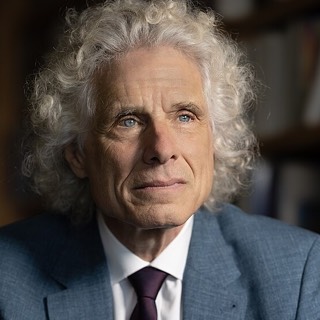
  • Steven PinkerHarvard professor of psychology
    The appearance of Thinking, Fast and Slow is a major event.
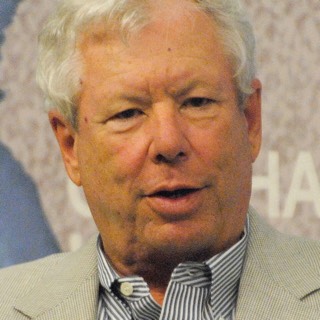
  • Richard ThalerNobel laureate in economics
    This book is a tour de force by an intellectual giant; it is readable, wise, and deep.

About the author

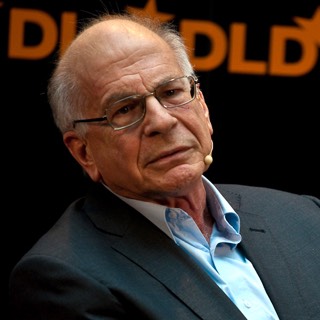
  • Daniel KahnemanPsychologist and Nobel laureate in economics; Princeton professor emeritus, died 2024
    • Born in Tel Aviv in 1934 while his mother was visiting relatives; the family's home was in Paris
    • First degree from the Hebrew University in Jerusalem, major in psychology, minor in mathematics
    • Began graduate study at Berkeley in January 1958
    • Wrote his dissertation in spring 1961
    • The collaboration with Amos Tversky began when he invited Tversky to speak to his graduate seminar, a life changing event in his words
    • Moved to UC Berkeley in 1986 and to Princeton in 1993, with a part time appointment at the Woodrow Wilson School of Public Affairs
    • Credited Richard Thaler and young economists, more than himself, with the work of integrating psychology into economics that the Nobel committee cited

Read it alongside

More books like this