Knowingo
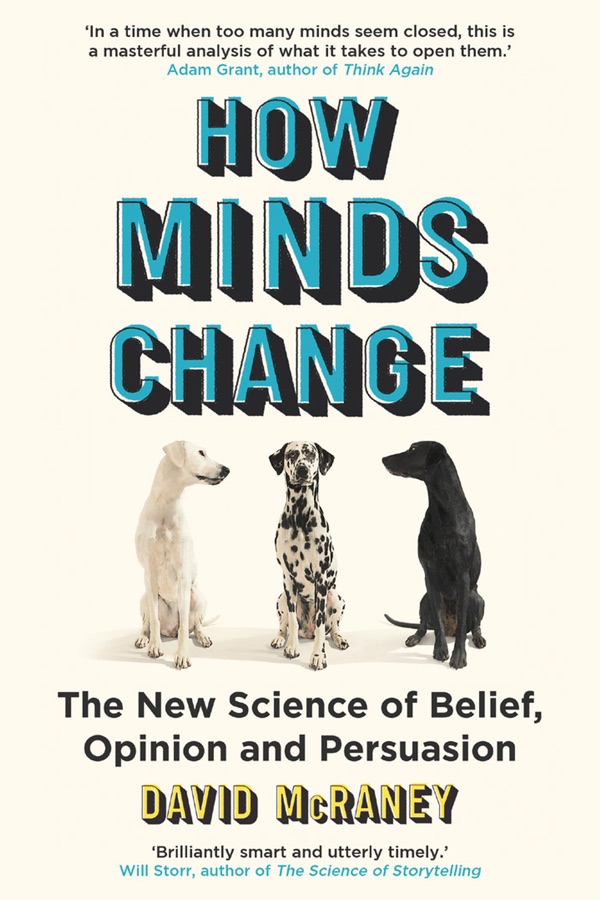
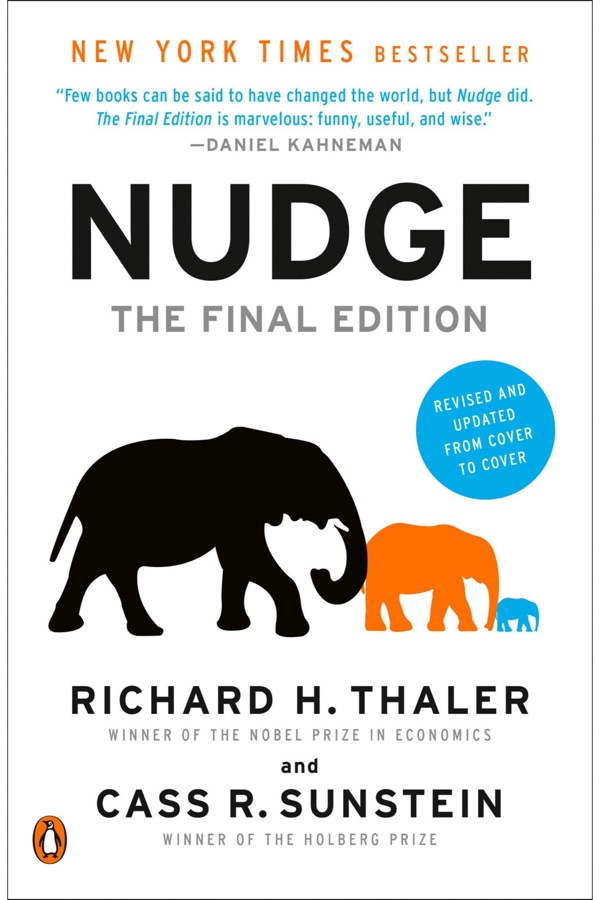
The cover of Nudge: The Final Edition

Nudge: The Final Edition

Small changes in how choices are presented shape what people do. Learn how defaults, reminders and less hassle help people save, stay healthy and choose well, with freedom intact.

20 parts, about 33 minutes to read.

Why read it

  • Defines choice architecture and libertarian paternalism, the case for steering people toward better choices while leaving every option open
  • Shows how defaults, social norms, reminders and easy design shift behavior, from retirement saving and paying taxes to college applications and voting
  • Introduces sludge, the friction that makes good choices hard, and takes on climate change with carbon pricing, disclosure and green defaults

Who it is for

  • Policy makers and designers of forms, websites and programs
  • Employers and benefits planners who want better savings plans
  • Readers curious how small design choices shape decisions

What the summary covers

  1. Why a Final Edition1 min
  2. The Cafeteria2 min
  3. Libertarian Paternalism1 min
  4. Econs and Humans2 min
  5. Biases and Blunders3 min
  6. Resisting Temptation1 min
  7. Following the Herd2 min
  8. When Do We Need a Nudge?1 min
  9. The Tools of the Choice Architect2 min
  10. Curation and Fun1 min
  11. Smart Disclosure1 min
  12. Sludge2 min
  13. Save More Tomorrow2 min
  14. Do Nudges Last Forever?2 min
  15. Mortgages and Credit Cards1 min
  16. Insurance: Don't Sweat the Small Stuff2 min
  17. Organ Donation: The Default Solution Illusion2 min
  18. Saving the Planet2 min
  19. Much Ado About Nudging2 min
  20. Nudge for Good1 min

Recommended by

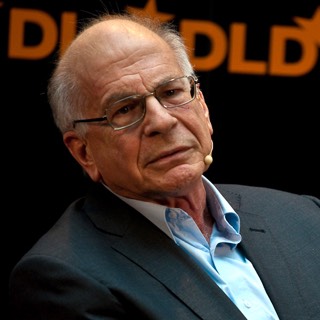
  • Daniel KahnemanNobel laureate in economics
    Few books can be said to have changed the world, but Nudge did. The Final Edition is marvelous: funny, useful, and wise.
  • Adam GrantOrganizational psychologist and Wharton professor
    Nudge should be required reading for anyone who aspires to run a country, lead a company, raise a child, or make a choice.
  • Robert CialdiniRegents' Professor Emeritus of Psychology and Marketing at Arizona State University
    If you’ve read Nudge and think you fully grasp the concept and its uses, you are mistaken.
  • Eric SchmidtFormer CEO of Google
    Nudge has changed the way we think about both business’s and society’s biggest problems.
  • Michael LewisAuthor of Moneyball and Liar's Poker
    This book is terrific. It will change the way you think, not only about the world around you and some of its bigger problems, but also about yourself.
  • Steven D. LevittAuthor of Freakonomics
    One of the few books . . . that fundamentally changed the way I think about the world.
  • Daniel GilbertEdgar Pierce Professor of Psychology at Harvard University
    Utterly brilliant . . . Nudge won’t nudge you—it will knock you off your feet.
About the authors

  • Richard H. ThalerNobel laureate in economics and Chicago Booth professor of behavioral science and economics
    • Born in East Orange, New Jersey, on September 12, 1945.
    • Went to Case Western Reserve University in Cleveland for college.
    • Chose the University of Rochester for graduate school in economics.
    • While an assistant professor at Rochester he read the early papers of Daniel Kahneman and Amos Tversky on human judgment.
    • Committed his research to the combination of psychology and economics, a topic that captured his passion.
    • Spent 18 years at the Cornell business school.
    • At the University of Chicago his most important collaboration was with law professor Cass Sunstein.
    • Says that writing Nudge with Sunstein changed their lives and caught the fancy of both academics and policy makers around the world.
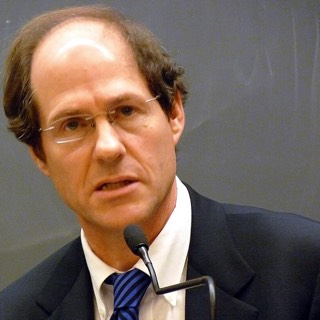
  • Cass R. SunsteinHarvard Law School professor and former head of the White House regulatory affairs office
    • Born on September 21, 1954, in Salem, Massachusetts.
    • Earned a Juris Doctor magna cum laude from Harvard Law School in 1978.
    • Clerked for Justice Thurgood Marshall of the U.S. Supreme Court from 1979 to 1980.
    • Was a professor at the University of Chicago Law School from 1981 to 2008, then joined Harvard Law School.
    • Served from 2009 to 2012 as head of the White House Office of Information and Regulatory Affairs.
    • Founder and director of the Program on Behavioral Economics and Public Policy at Harvard Law School.
    • From 2020 to 2021 chaired the World Health Organization's Technical Advisory Group for Behavioural Insights and Health.
    • Studies of legal publications in 2014 found him the most frequently cited American legal scholar by a wide margin.

More books like this