

History and civilization
Empires, wars and ordinary lives, told start to finish so the pieces connect. 40 books, each condensed into about twenty minutes.
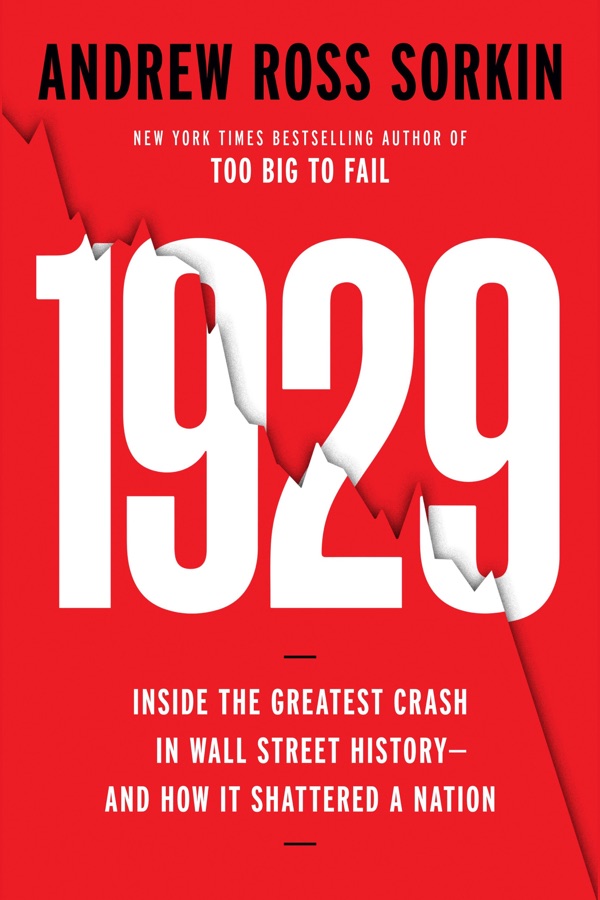 1929Andrew Ross SorkinSorkin retells the 1929 crash through the bankers, speculators and officials who fed a boom built on debt, and warns how easily we forget its lessons.
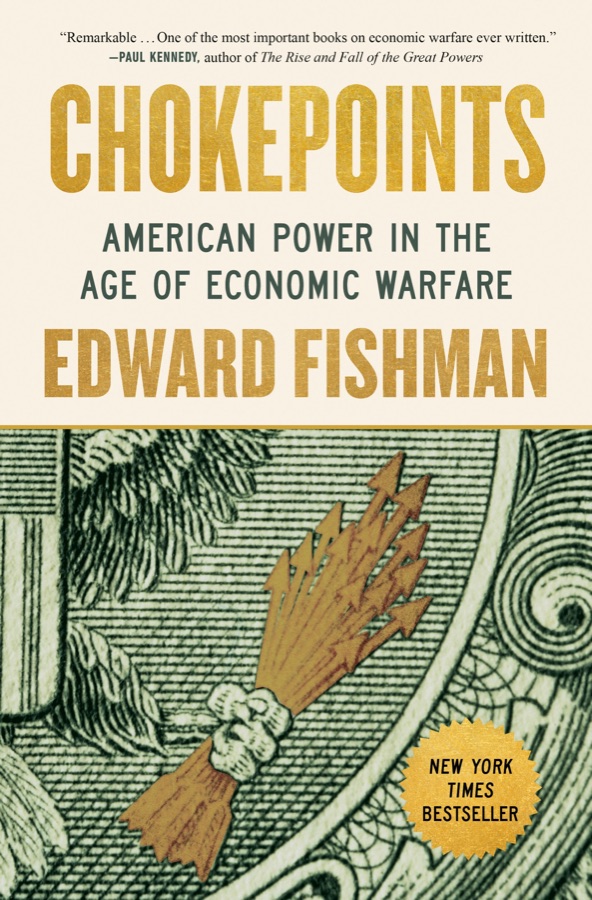 ChokepointsEdward FishmanSee how the dollar, chips and insurance became weapons, why sanctions on Iran, Russia and China worked only partly, and what makes economic pressure achieve a political goal.
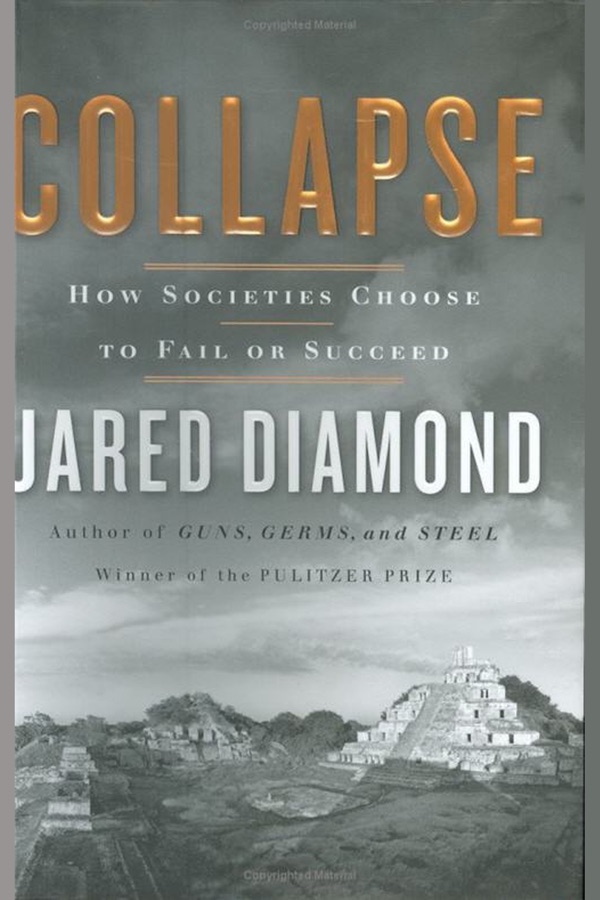 Collapse: How Societies Choose to Fail or SucceedJared DiamondFrom Easter Island and Norse Greenland to Rwanda, China and Australia, Jared Diamond compares societies that wrecked their environments with those that solved their problems, and asks why.
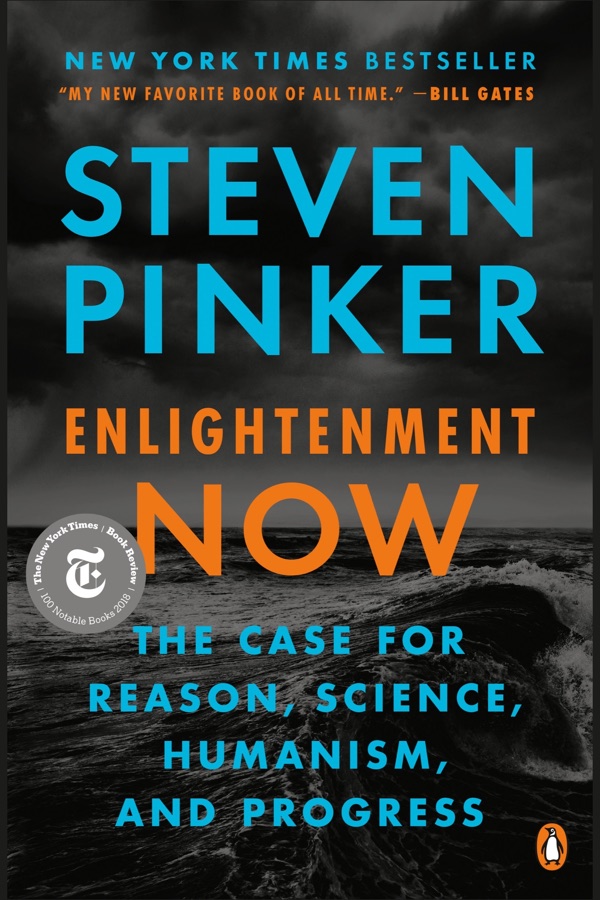 Enlightenment NowSteven PinkerPinker marshals data on lifespan, poverty, violence, knowledge, and happiness to show how much reason, science, and humanism have improved human life, and why those Enlightenment ideals need defending now.
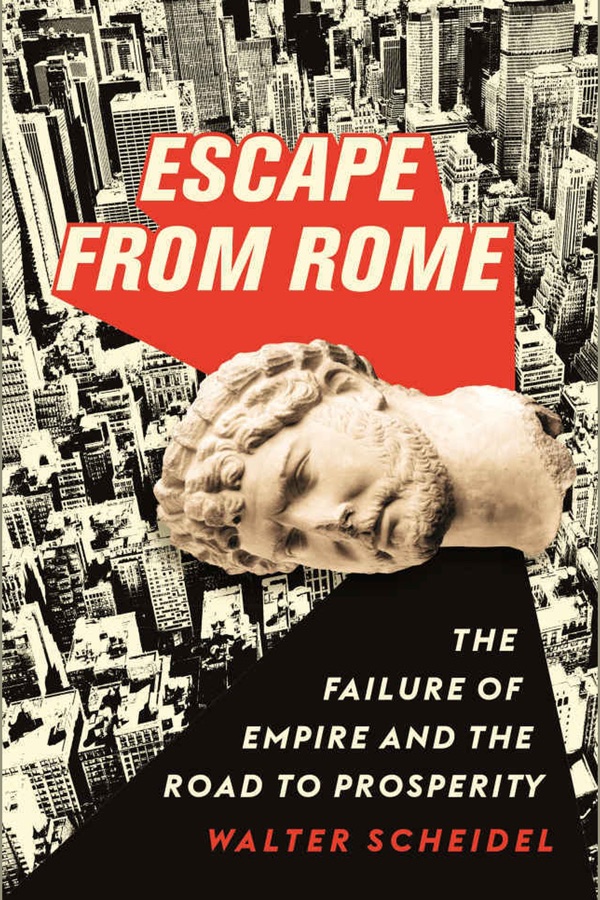 Escape from RomeWalter ScheidelSee why Europe's lasting fragmentation after Rome, not any virtue of its own, opened the road to modern growth, and what China's repeated reunifications closed off.
 Genghis Khan and the Making of the Modern WorldJack WeatherfordSee how Genghis Khan turned fragile alliances into scalable rule, connected Eurasia through conquest and commerce, and left a legacy both creative and catastrophic.
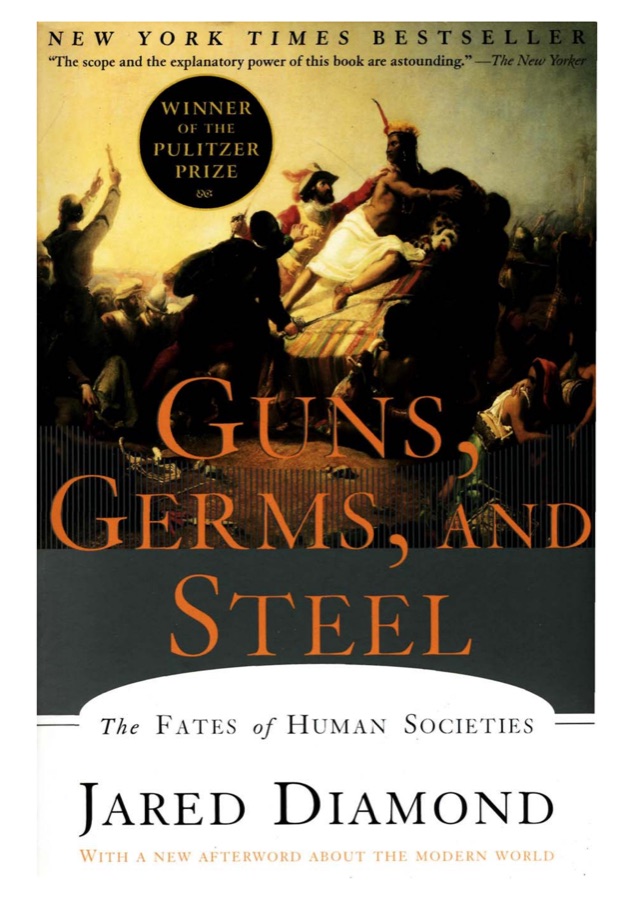 Guns, Germs, and SteelJared DiamondSee why farming, germs, and steel spread to some continents long before others, and how geography, not people, set the starting line for 13,000 years of human history.
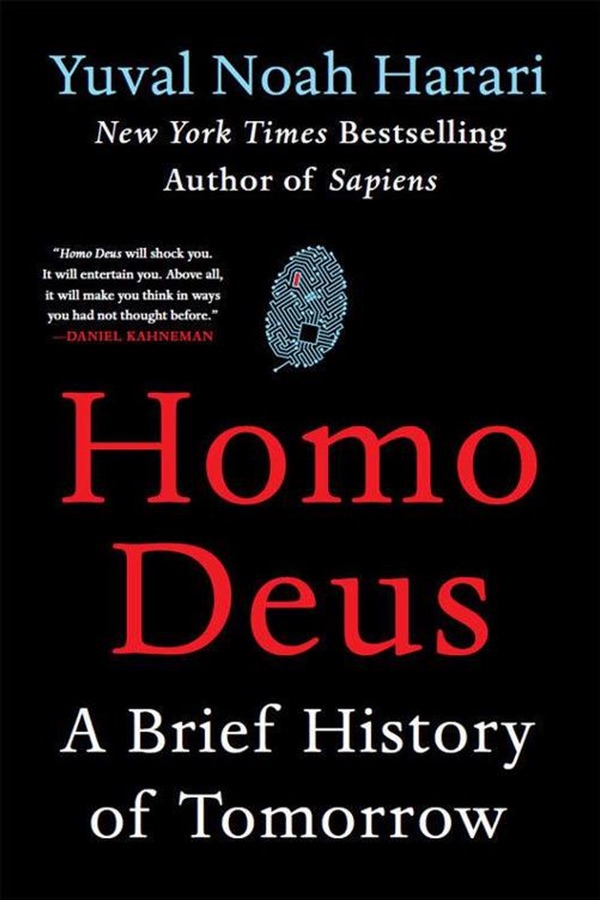 Homo DeusYuval Noah HarariHaving tamed famine, plague and war, humanity may now chase immortality, bliss and divinity, while algorithms that know us better than we do could undermine faith in human feelings.
 King Leopold's GhostAdam HochschildAdam Hochschild tells how King Leopold II of Belgium seized the Congo as a private colony run on forced rubber labor, and how a few campaigners exposed the terror.
 King of KingsScott AndersonHow did Washington and the shah miss a revolution in plain sight? Scott Anderson traces the hubris, delusion and miscalculation behind Iran's 1979 upheaval.
 Long Walk to FreedomNelson MandelaNelson Mandela tells his own story, from a Thembu village childhood through the armed struggle, 27 years in prison and the talks that ended apartheid.
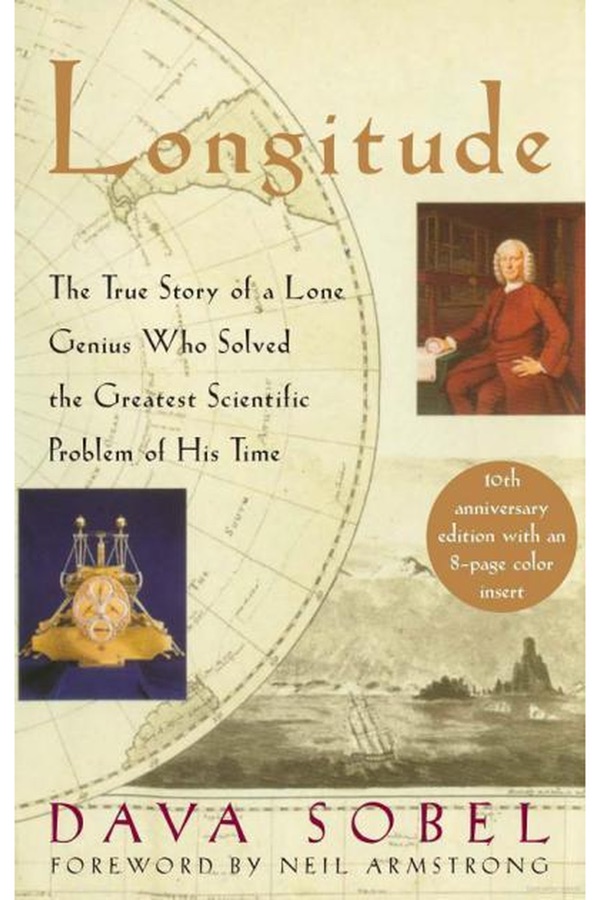 LongitudeDava SobelHow John Harrison, an English clockmaker with no formal schooling, spent decades building sea clocks to win the 1714 longitude prize while astronomers backed the lunar distance method.
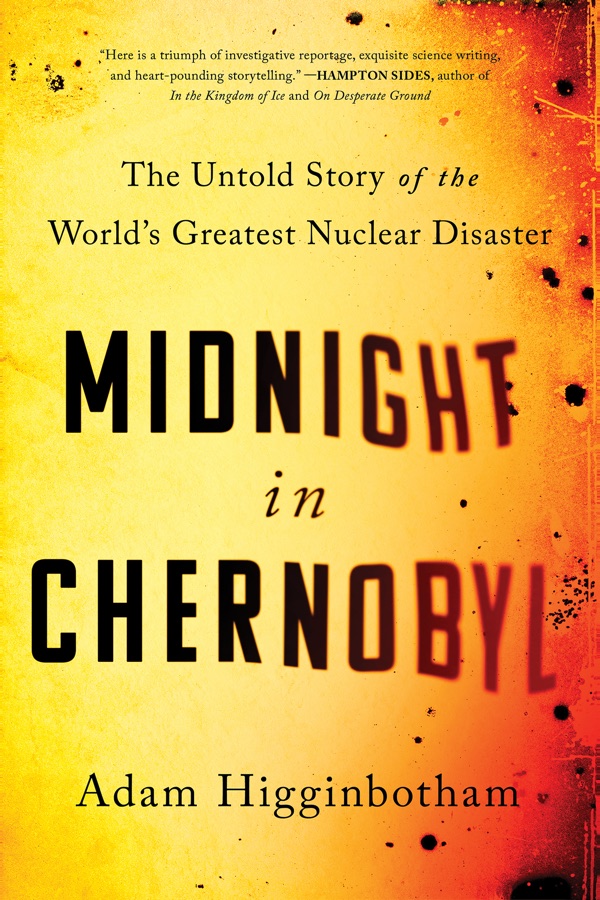 Midnight in ChernobylAdam HigginbothamHow a flawed Soviet reactor exploded at Chernobyl in April 1986, the firefighters, soldiers and scientists who fought the disaster, and the secrecy that hid the truth.
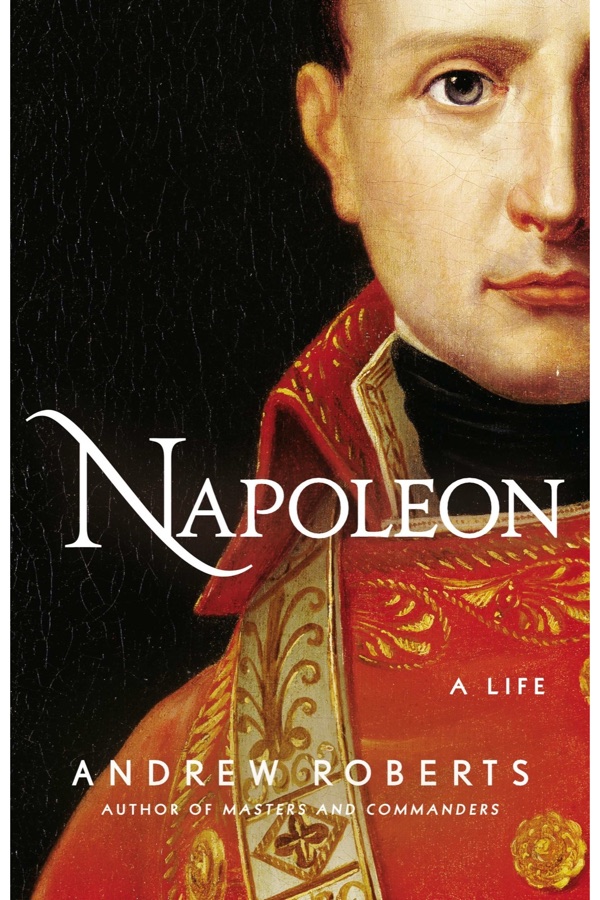 NapoleonAndrew RobertsHow a minor Corsican noble rose through the Revolution to rule most of Europe, remade French law and government, and lost it all in Russia and at Waterloo.
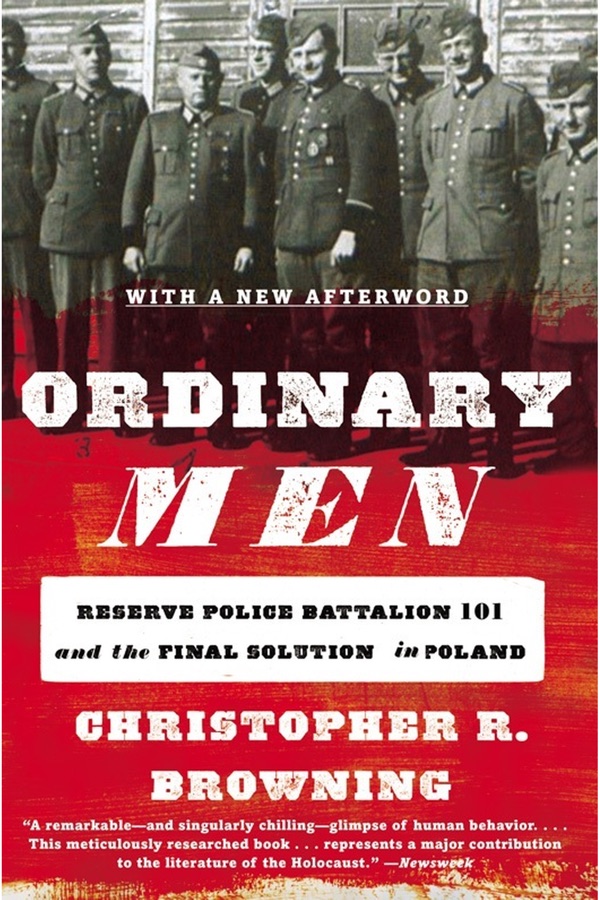 Ordinary MenChristopher R. BrowningDrawing on the men's own postwar testimony, a historian shows how ordinary German reserve policemen, offered a chance to step out, became killers of tens of thousands of Polish Jews.
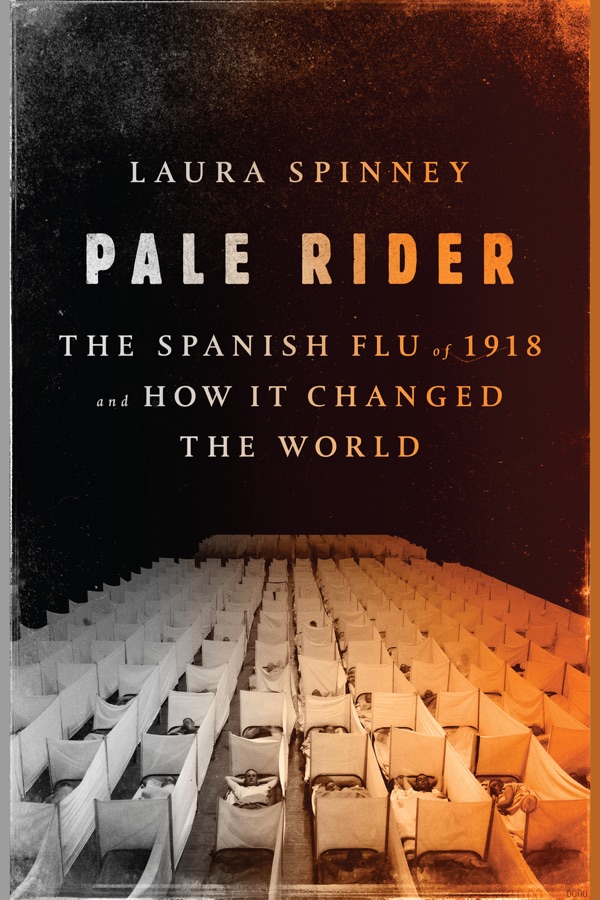 Pale Rider: The Spanish Flu of 1918 and How It Changed the WorldLaura SpinneyLaura Spinney reconstructs the 1918 flu pandemic across the globe, revealing how the catastrophe reshaped science, society, global politics, and collective memory.
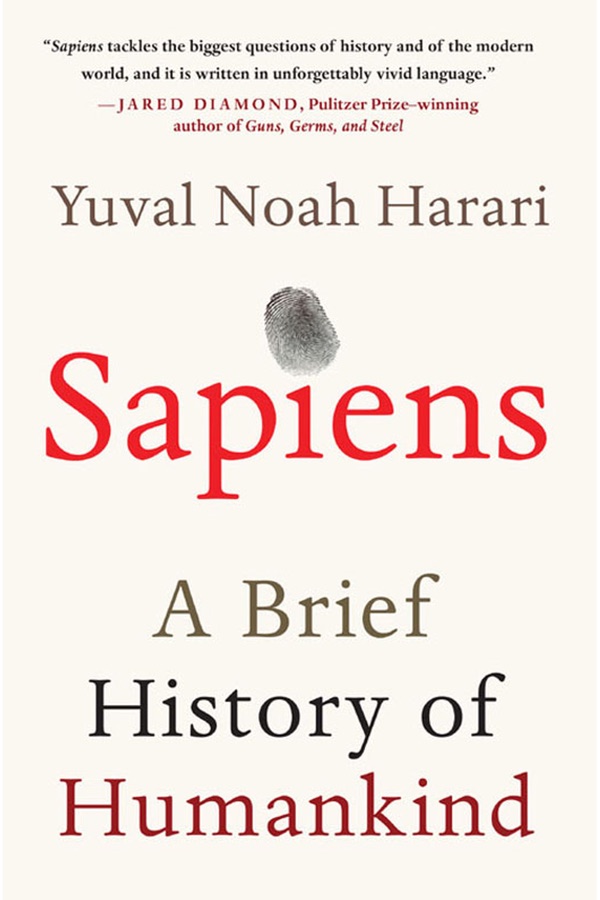 SapiensYuval Noah HarariFollow humanity from cognitive revolution to industrial power, and examine how shared stories, empire, money, science, and imagined futures reshaped both society and happiness.
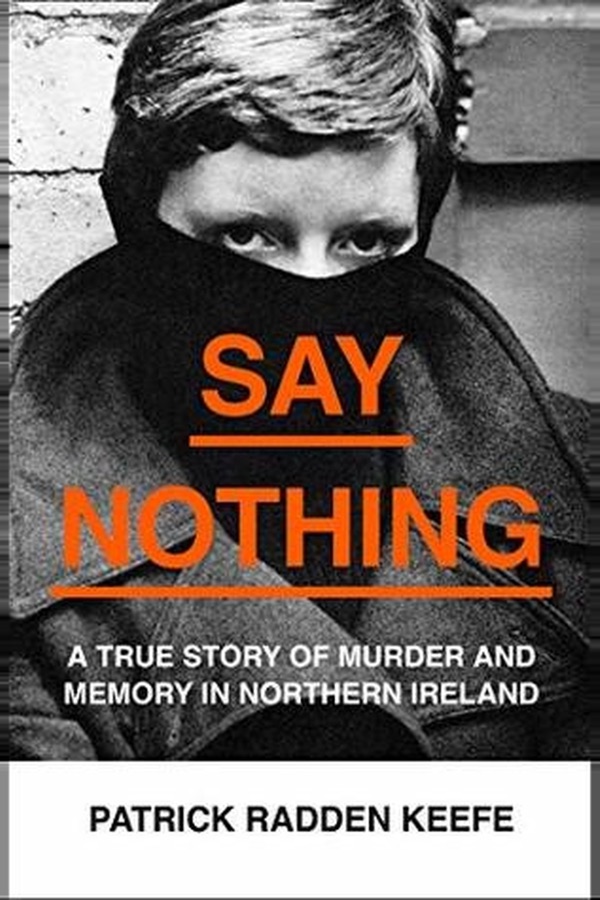 Say NothingPatrick Radden KeefeIn 1972 the IRA abducted Jean McConville, a Belfast widow with ten children. Her disappearance anchors a story of the Troubles told through Dolours Price, Brendan Hughes and Gerry Adams.
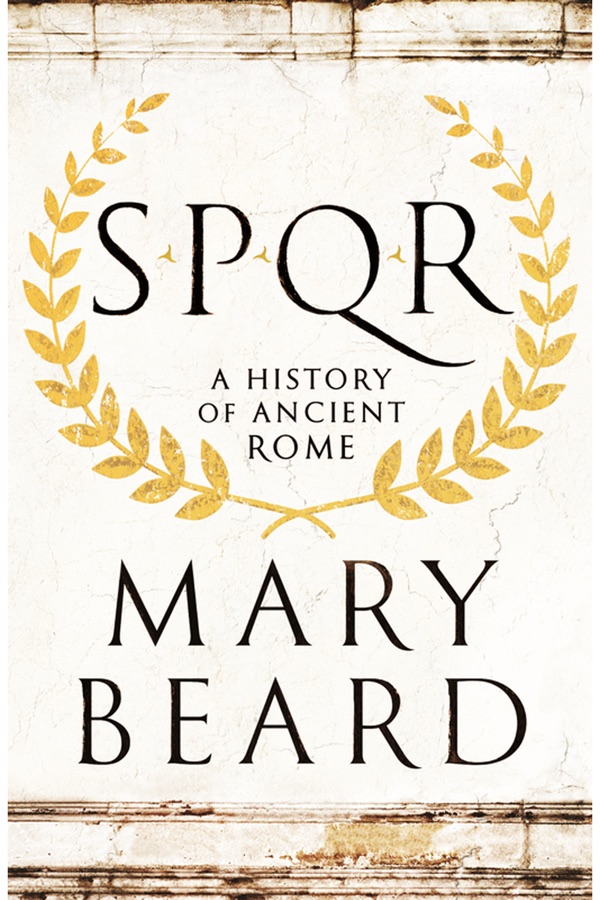 SPQRMary BeardBeard traces Rome from a small Tiber settlement to an empire that granted citizenship to every free inhabitant, tracking how Romans argued about power, citizenship, and identity.
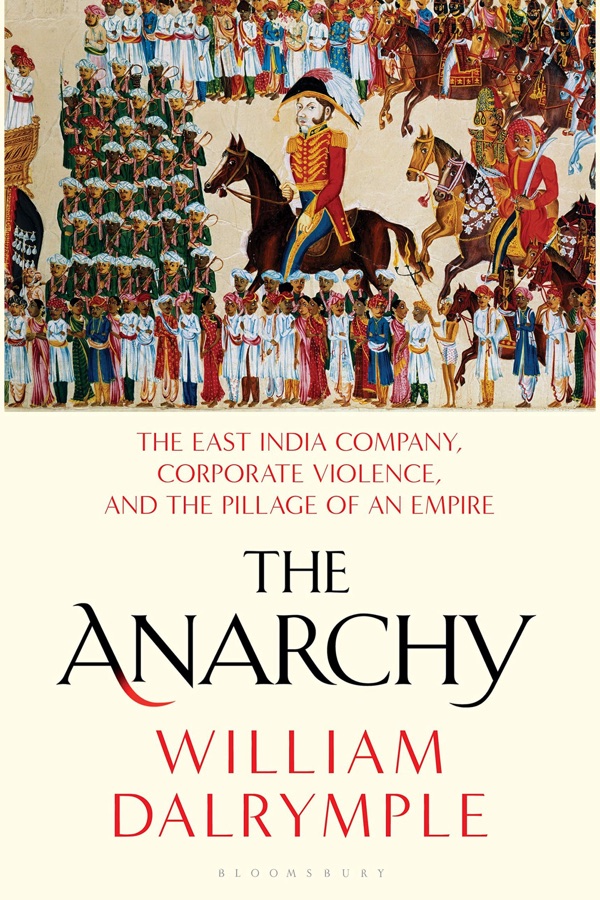 The Anarchy: The East India Company, Corporate Violence, and the Pillage of an EmpireWilliam DalrympleHow the East India Company turned trade, finance and private armies into territorial rule across India.
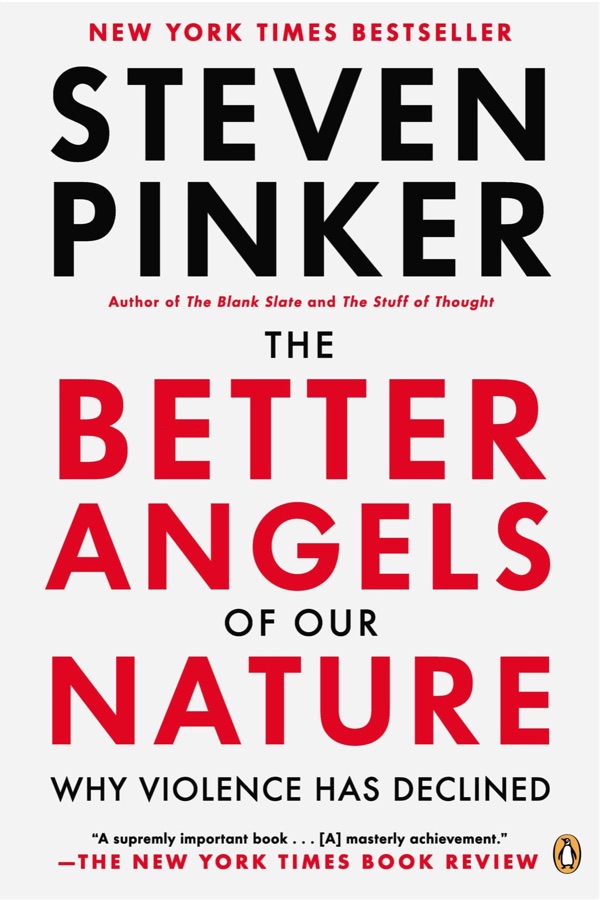 The Better Angels of Our NatureSteven PinkerData on war, homicide, torture and genocide show that violence has fallen over millennia, driven by states, commerce, empathy, restraint and reason acting on an unchanged human nature.
 The Dawn of EverythingDavid Graeber, David WengrowEarly humans tried many political forms, from seasonal police forces to cities without kings. The real question is not how inequality began, but how we got stuck.
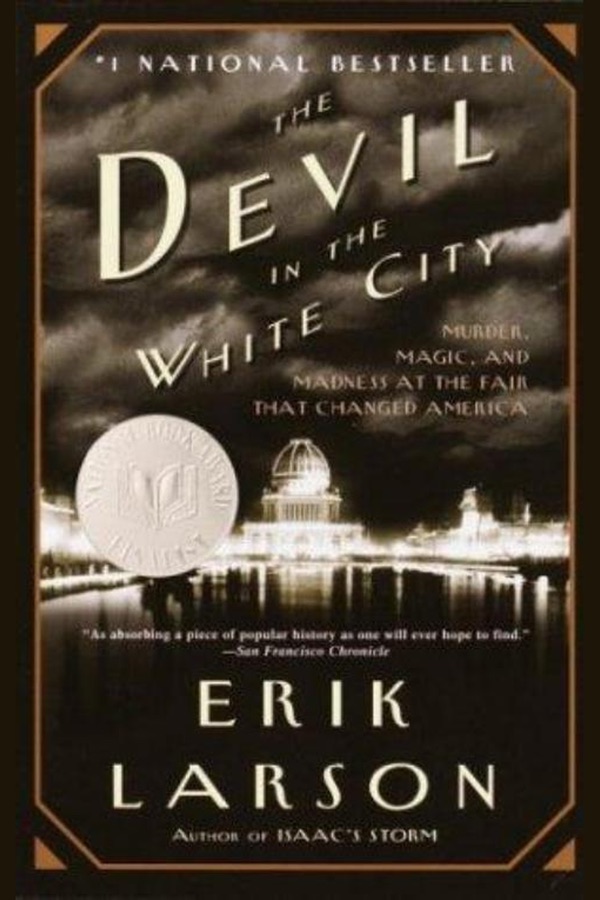 The Devil in the White City: Murder, Magic, and Madness at the Fair That Changed AmericaErik LarsonAs Daniel Burnham raced to build Chicago's 1893 World's Fair, H. H. Holmes ran a hotel nearby where young women vanished: two true stories of ambition and evil.
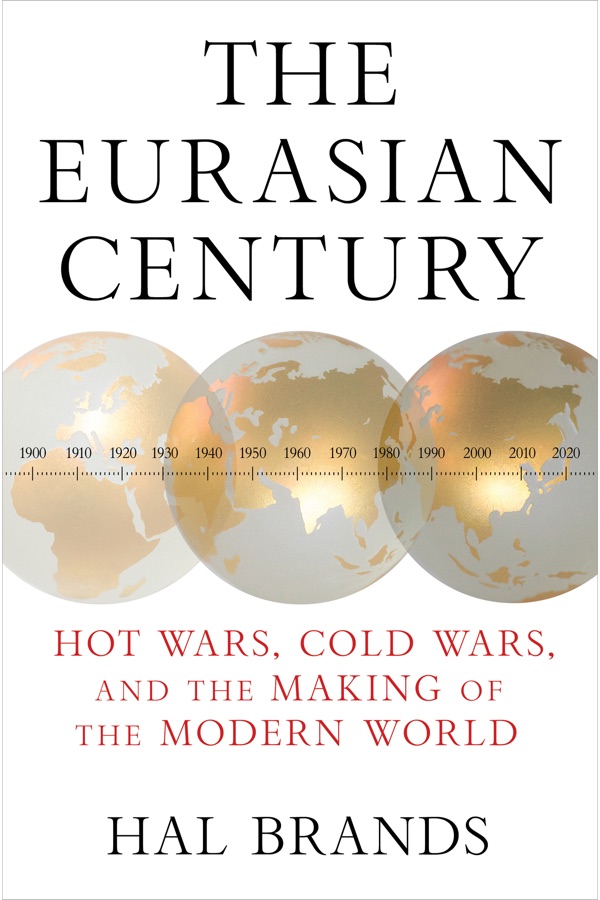 The Eurasian CenturyHal BrandsA sweeping history of Eurasian rivalry showing how geography constrains power while coalitions, technology, institutions, and human choices decide outcomes.
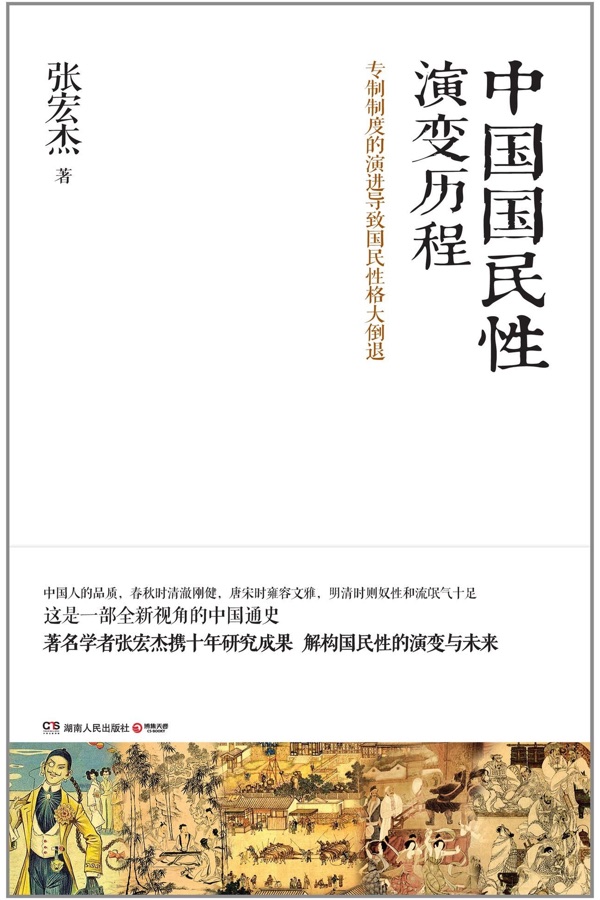 The Evolution of Chinese National CharacterZhang HongjieZhang Hongjie traces changing ideas of Chinese national character across dynasties, then asks whether better institutions can help citizens develop the habits of freedom.
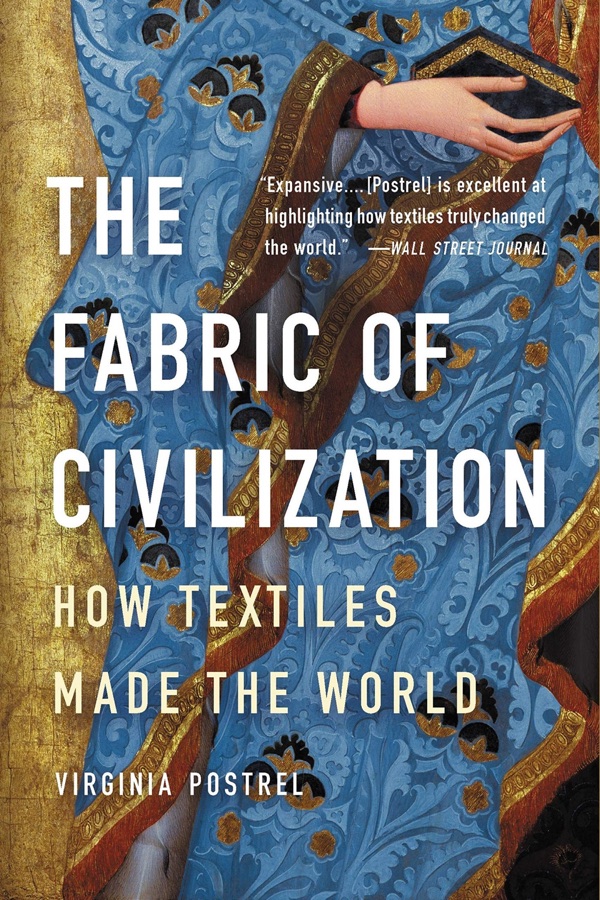 The Fabric of CivilizationVirginia PostrelHow the work of making fiber, thread, cloth and dye drove farming, chemistry, trade, finance and computing, told through the people and techniques behind the textiles we take for granted.
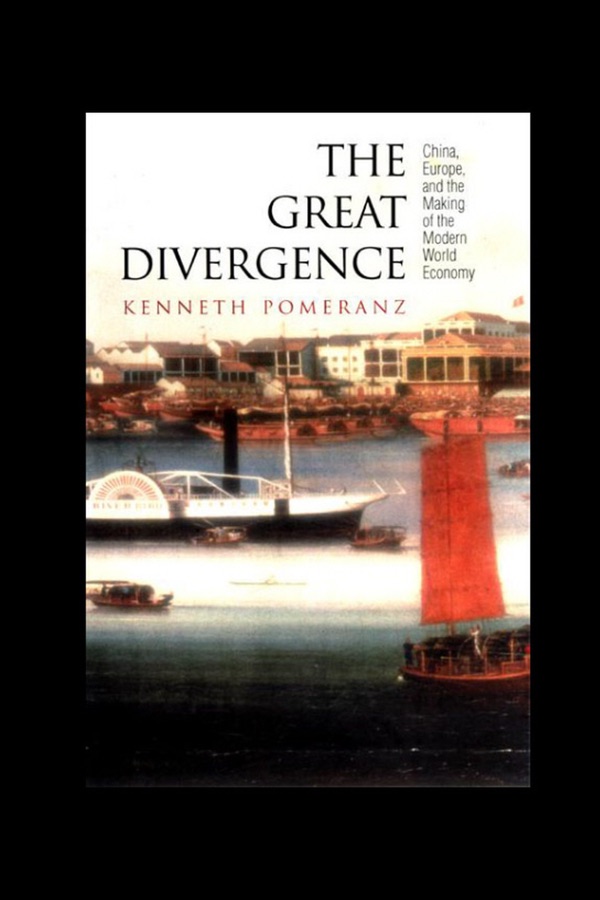 The Great DivergenceKenneth PomeranzWhy industrial growth took off in England rather than China's Yangzi Delta, which around 1750 looked much alike, and how coal and the Americas made the difference.
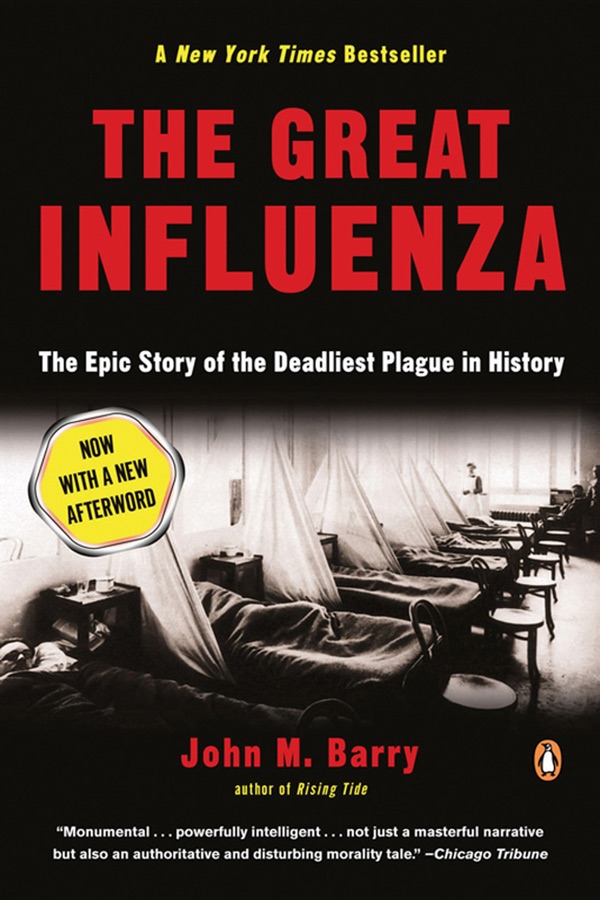 The Great InfluenzaJohn M. BarryThe 1918 influenza pandemic, which likely killed at least 50 million people and possibly 100 million, told through the scientists who hunted its cause and the officials who minimized it.
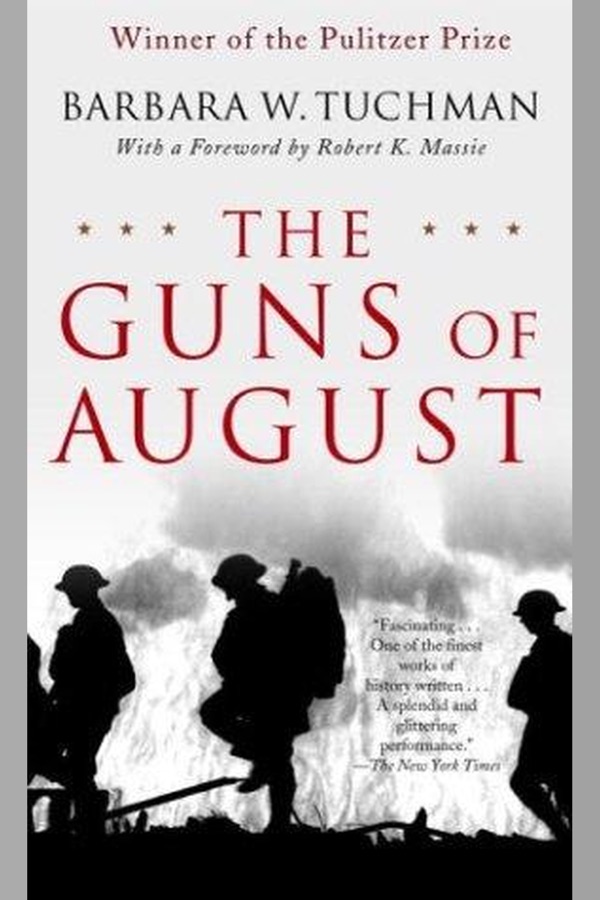 The Guns of AugustBarbara W. TuchmanThe first month of the First World War, from the prewar plans to the Marne, told through the statesmen and generals whose decisions set the course of the whole war.
 The Hungry Prosperous Age: Gains and Losses in the Qianlong EraZhang HongjieZhang Hongjie follows Qianlong’s reign through famine relief, western conquest, censorship, corruption, and the British embassy, asking how celebrated prosperity coexisted with fragile lives and rigid rule.
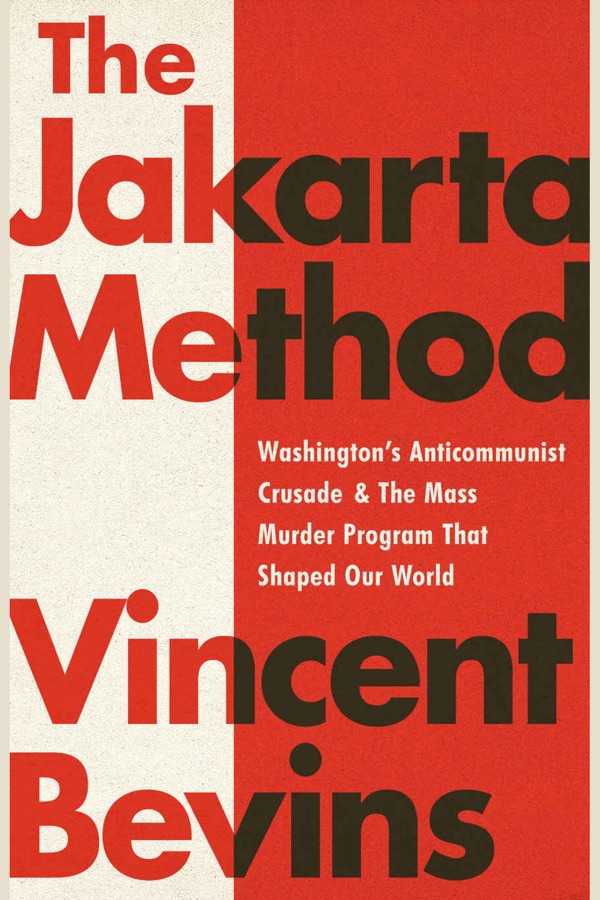 The Jakarta MethodVincent BevinsHow Indonesia's anticommunist massacres of 1965 and 1966, backed by Washington, became a model for mass killing from Brazil and Chile to Guatemala, and shaped today's world.
 The Looming TowerLawrence WrightHow Osama bin Laden's network grew from the ideas of Sayyid Qutb into the September 11 attacks, and how the FBI's John O'Neill and Ali Soufan pursued it.
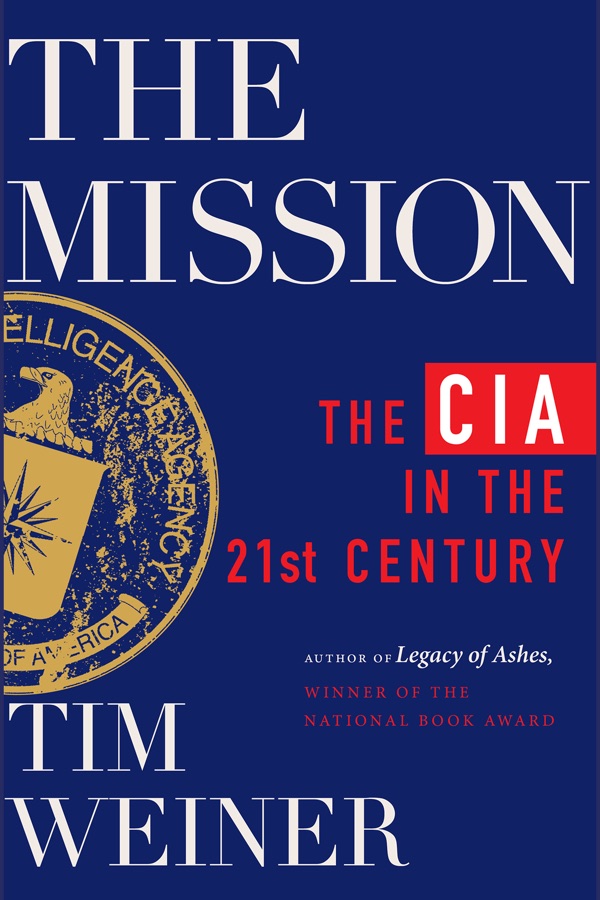 The Mission: The CIA in the 21st CenturyTim WeinerA history of the modern CIA: ignored warnings before 9/11, torture and Iraq, digital age espionage, Ukraine, and the danger of presidents who reject intelligence.
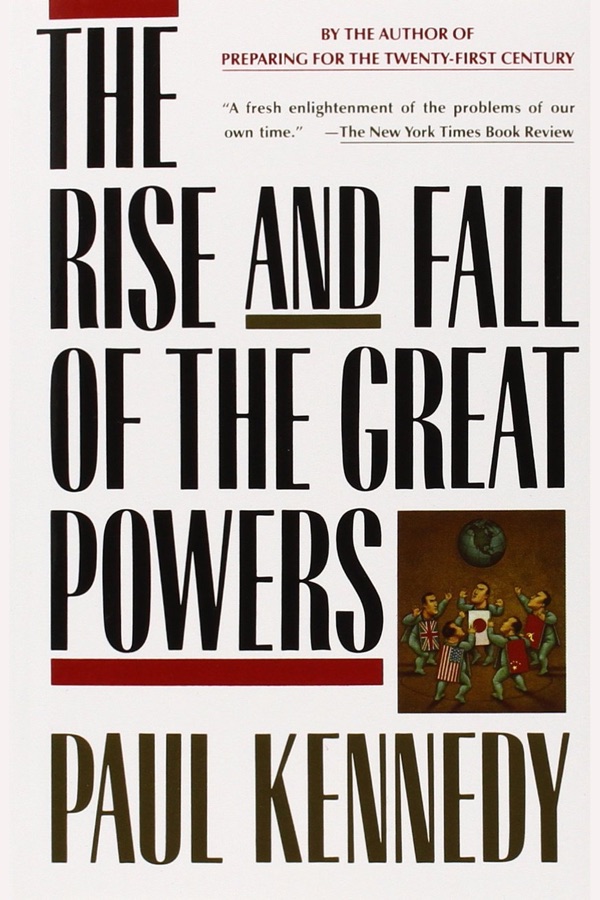 The Rise and Fall of the Great PowersPaul KennedyFive hundred years of Great Power history, from Ming China and the Habsburgs to the Cold War, showing how shifting economic strength decides who rises, wins wars and declines.
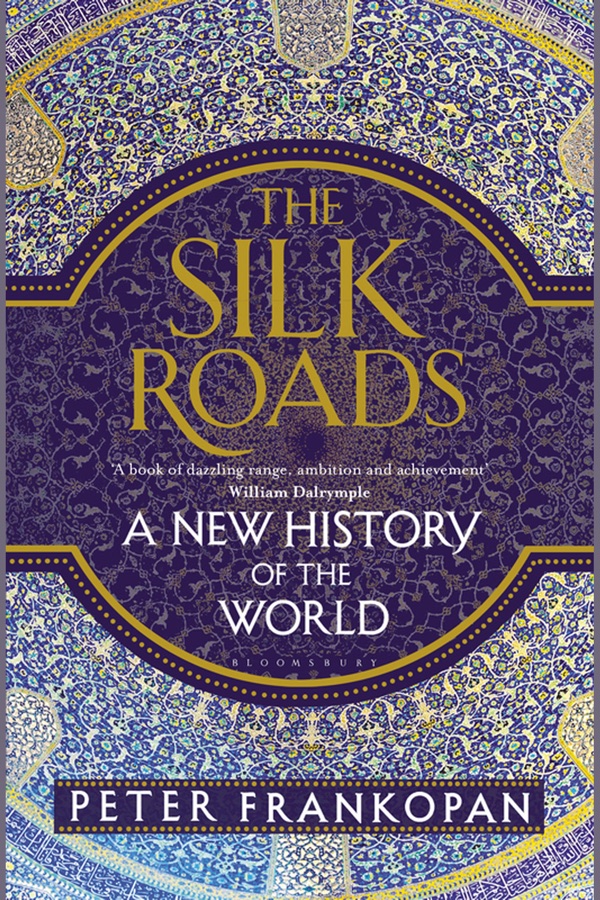 The Silk RoadsPeter FrankopanFrom Alexander's conquests to the war on terror, the lands between the Mediterranean and China shaped world history through faith, slaves, silver, oil and war, and they are rising again.
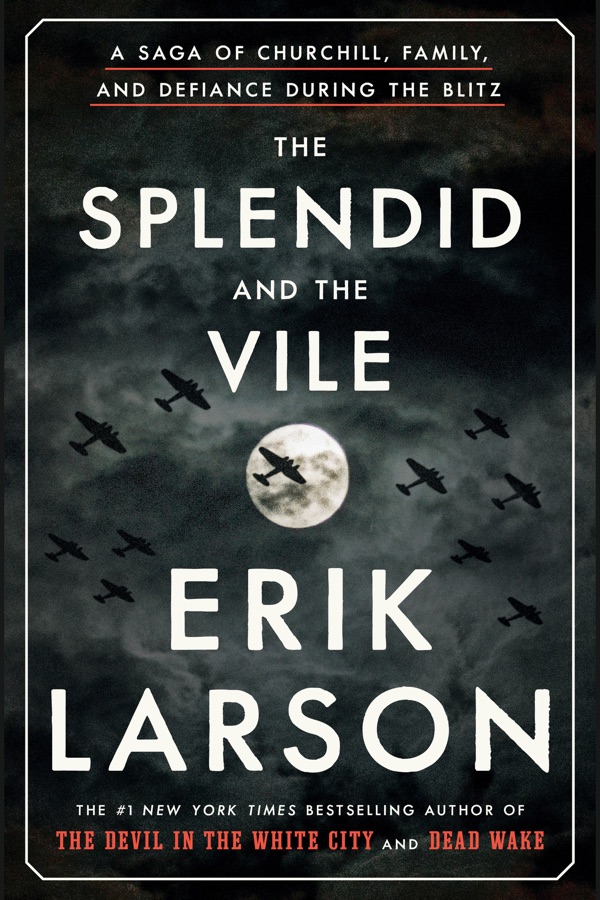 The Splendid and the VileErik LarsonFollow Winston Churchill's first year as prime minister, when Britain stood alone against the Blitz, and see how ordinary courage and calculated defiance carried a nation through nightly bombing.
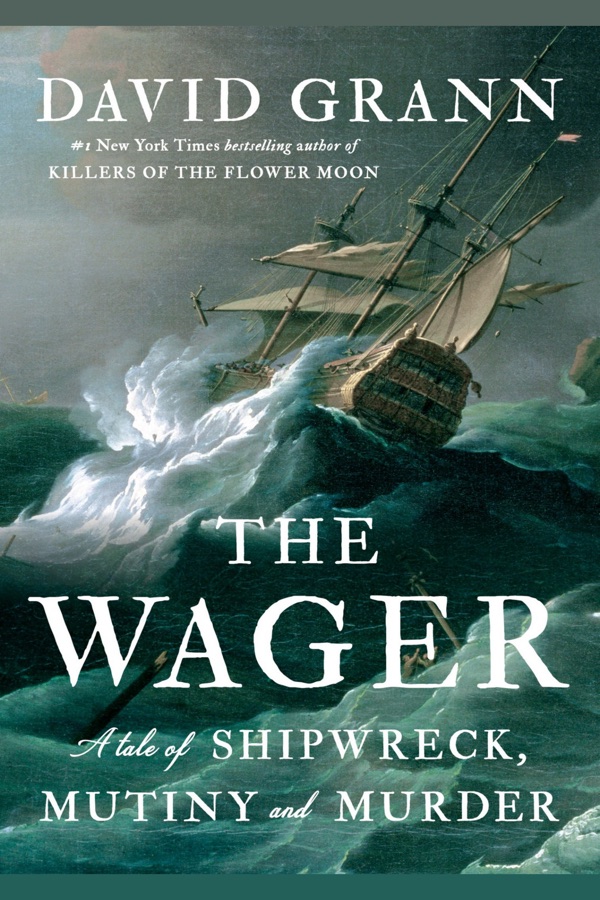 The WagerDavid GrannA British warship wrecks off Patagonia in 1741. Starving survivors turn to mutiny and murder, then give the Admiralty wildly conflicting versions of the truth.
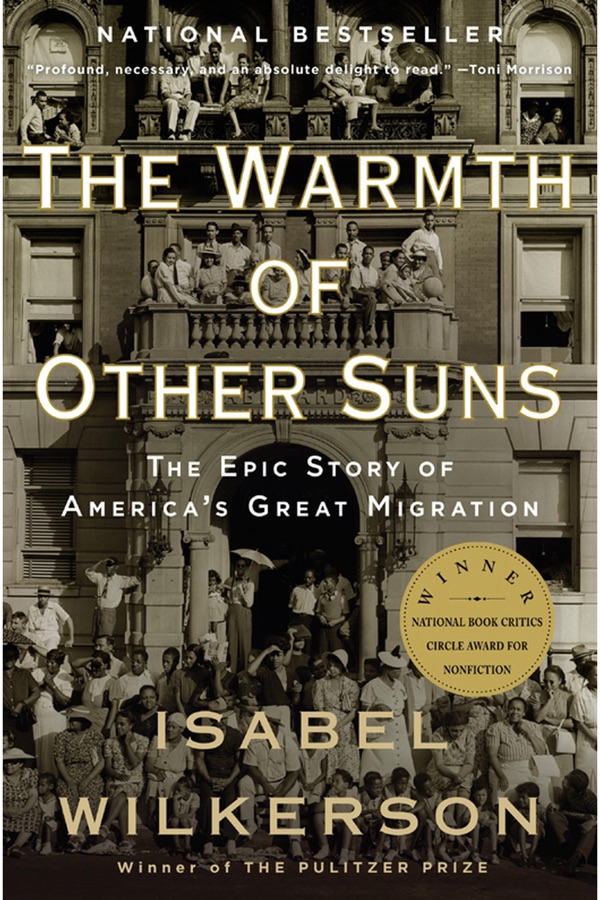 The Warmth of Other SunsIsabel WilkersonThrough three lives, Isabel Wilkerson tells the story of the six million Black Americans who left the South between 1915 and 1970 in search of freedom.
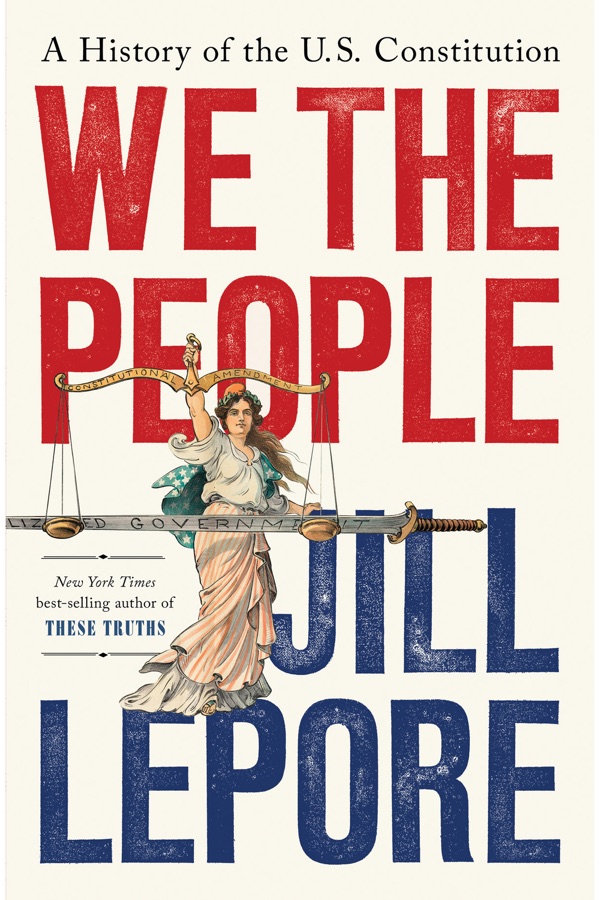 We the People: A History of the U.S. ConstitutionJill LeporeLearn why the Constitution's amendment process broke down, from founding exclusions and Reconstruction's unfinished promise to the Equal Rights Amendment's defeat, and see why courts increasingly do that work instead.
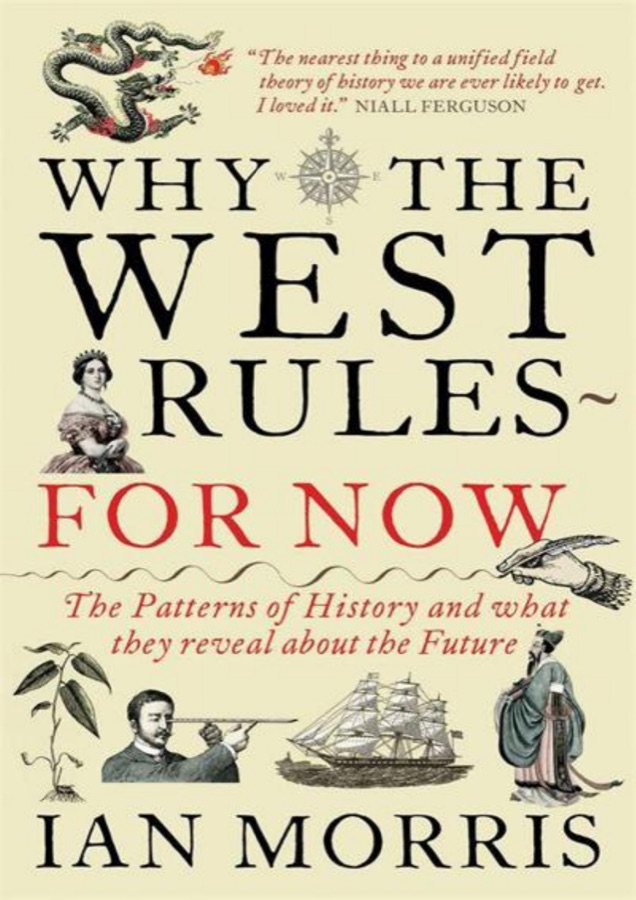 Why the West Rules for NowIan MorrisA sweeping explanation of how geography, energy, institutions and historical reversals made Western dominance possible, and why it may not last.