Knowingo
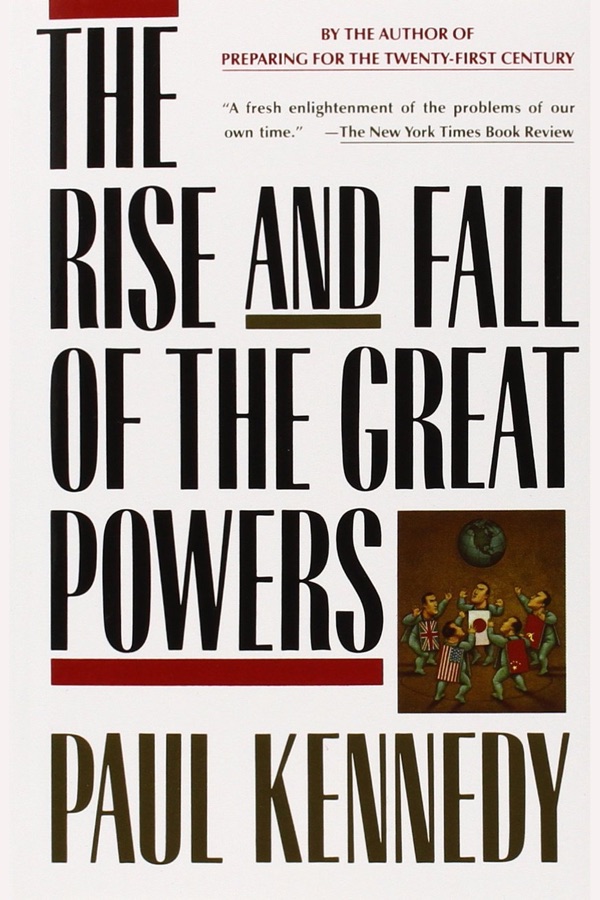
The cover of The Rise and Fall of the Great Powers

The Rise and Fall of the Great Powers

Five hundred years of Great Power history, from Ming China and the Habsburgs to the Cold War, showing how shifting economic strength decides who rises, wins wars and declines.

10 parts, about 39 minutes to read.

Why read it

  • Traces five centuries of shifting Great Power rankings, tying military strength to productive wealth and the ability to raise revenue
  • Explains why Europe's divided, competing states pulled ahead of Ming China and Tokugawa Japan, which closed themselves off
  • Develops the idea of imperial overstretch, where costly commitments weaken an economy, from Habsburg Spain to the United States

Who it is for

  • Readers of history curious why empires rise and fall
  • Students of international relations and strategy
  • Readers weighing how economic strength shapes national defense

What the summary covers

  1. Introduction3 min
  2. 1 The Rise of the Western World4 min
  3. 2 The Habsburg Bid for Mastery, 1519 to 16594 min
  4. Finance, Geography, and the Winning of Wars, 1660 to 18154 min
  5. Industrialization and the Shifting Global Balances, 1815 to 18854 min
  6. The Coming of a Bipolar World and the Crisis of the "Middle Powers": Part One, 1885 to 19185 min
  7. The Coming of a Bipolar World and the Crisis of the "Middle Powers": Part Two, 1919 to 19424 min
  8. Stability and Change in a Bipolar World, 1943 to 19804 min
  9. To the Twenty first Century5 min
  10. Epilogue2 min

Recommended by

  • Christopher HitchensWriter and journalist
    This book is falling out of briefcases all over Washington DC
About the author

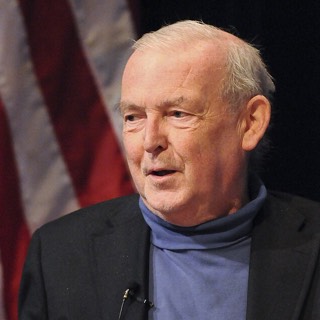
  • Paul KennedyBritish historian and professor at Yale University
    • Born in Wallsend, Northumberland, in June 1945; studied at Newcastle University and took his doctorate at Oxford
    • Worked as research assistant to Sir Basil Liddell Hart, drafting chapters for the History of the Second World War
    • Taught at the University of East Anglia from 1970 to 1983
    • Has been Dilworth Professor of History and director of international security studies at Yale since 1983
    • Made a CBE in 2000 for services to history and elected a Fellow of the British Academy in 2003
    • Elected to the American Academy of Arts and Sciences in 1989 and the American Philosophical Society in 1991
    • Received the National Maritime Museum's Caird Medal in 2005 for his contributions to naval history
    • Author or editor of nineteen books; this one has been translated into more than twenty languages

More books like this