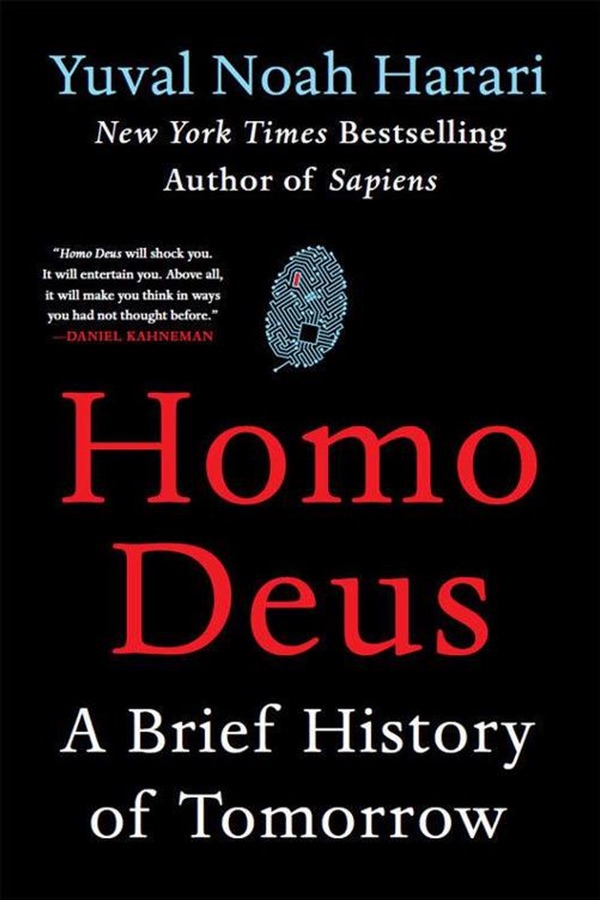
Homo Deus
Having tamed famine, plague and war, humanity may now chase immortality, bliss and divinity, while algorithms that know us better than we do could undermine faith in human feelings.
8 parts, about 28 minutes to read.


Having tamed famine, plague and war, humanity may now chase immortality, bliss and divinity, while algorithms that know us better than we do could undermine faith in human feelings.
8 parts, about 28 minutes to read.

Homo Deus will shock you. It will entertain you. Above all, it will make you think in ways you had not thought before.

Even more readable, even more important, than his excellent Sapiens

Yuval Noah Harari is the most entertaining and thought-provoking writer of non-fiction at the moment. As with Sapiens, you finish the book feeling much wiser

Shows us where mankind is headed in an absolutely clear-sighted and accessible manner

Yuval Noah Harari forecasts that humanity will probably pursue immortality and divinity, with the fear of death giving the effort momentum; Ernest Becker argues that humans are half animal and half symbolic, and build hero systems to hope their works outlive death.
 1929Andrew Ross Sorkin
 ChokepointsEdward Fishman
 Collapse: How Societies Choose to Fail or SucceedJared Diamond
 Enlightenment NowSteven Pinker
 Escape from RomeWalter Scheidel
 Genghis Khan and the Making of the Modern WorldJack Weatherford
 Guns, Germs, and SteelJared Diamond
 King Leopold's GhostAdam Hochschild
 King of KingsScott Anderson
 Long Walk to FreedomNelson Mandela
 LongitudeDava Sobel
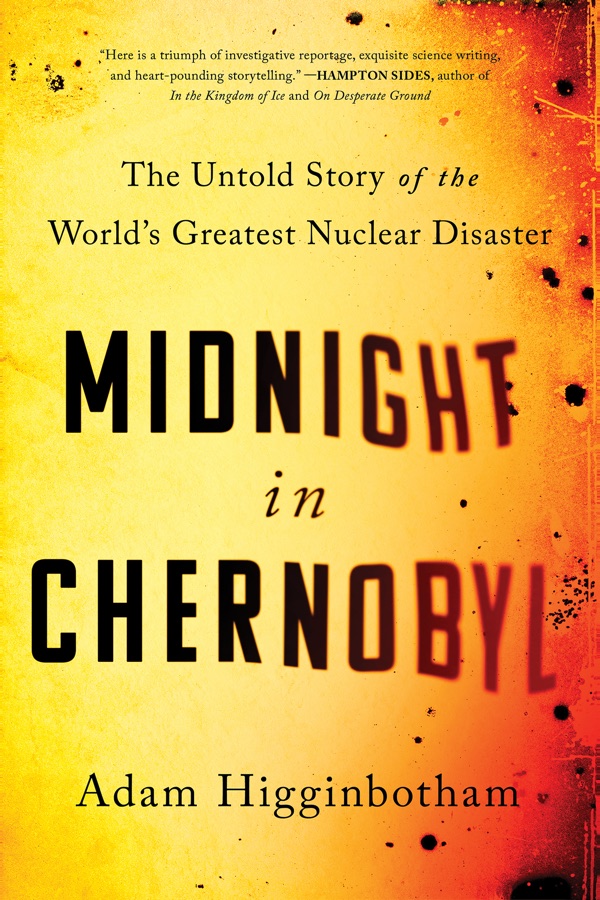 Midnight in ChernobylAdam Higginbotham