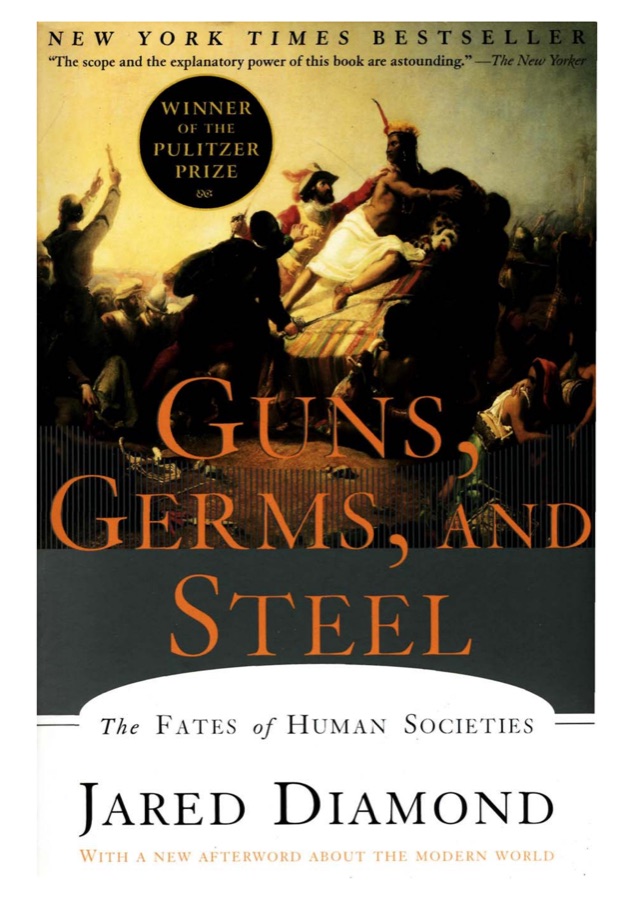
Guns, Germs, and Steel
See why farming, germs, and steel spread to some continents long before others, and how geography, not people, set the starting line for 13,000 years of human history.
9 parts, about 28 minutes to read.


See why farming, germs, and steel spread to some continents long before others, and how geography, not people, set the starting line for 13,000 years of human history.
9 parts, about 28 minutes to read.

This is the book that turned me from a historian of medieval warfare into a student of humankind

No scientist brings more experience from the laboratory and field, none thinks more deeply about social issues or addresses them with greater clarity, than Jared Diamond as illustrated by Guns, Germs, and Steel. In this remarkably readable book he shows how history and biology can enrich one another to produce a deeper understanding of the human condition.

Guns, Germs and Steel lays a foundation for understanding human history, which makes it fascinating in its own right. Because it brilliantly describes how chance advantages can lead to early success in a highly competitive environment, it also offers useful lessons for the business world and for people interested in why technologies succeed.

Diamond explains continental inequalities through environment but leaves Europe’s rise over China incompletely explained; Morris traces how rice frontiers, ocean access, and industrial energy successively changed their advantages.
 1929Andrew Ross Sorkin
 ChokepointsEdward Fishman
 Collapse: How Societies Choose to Fail or SucceedJared Diamond
 Enlightenment NowSteven Pinker
 Escape from RomeWalter Scheidel
 Genghis Khan and the Making of the Modern WorldJack Weatherford
 Homo DeusYuval Noah Harari
 King Leopold's GhostAdam Hochschild
 King of KingsScott Anderson
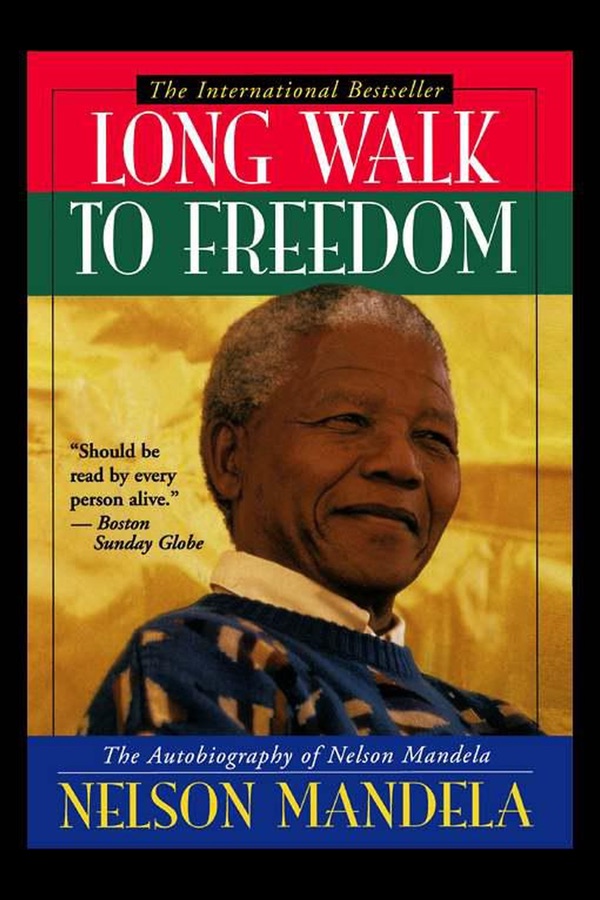 Long Walk to FreedomNelson Mandela
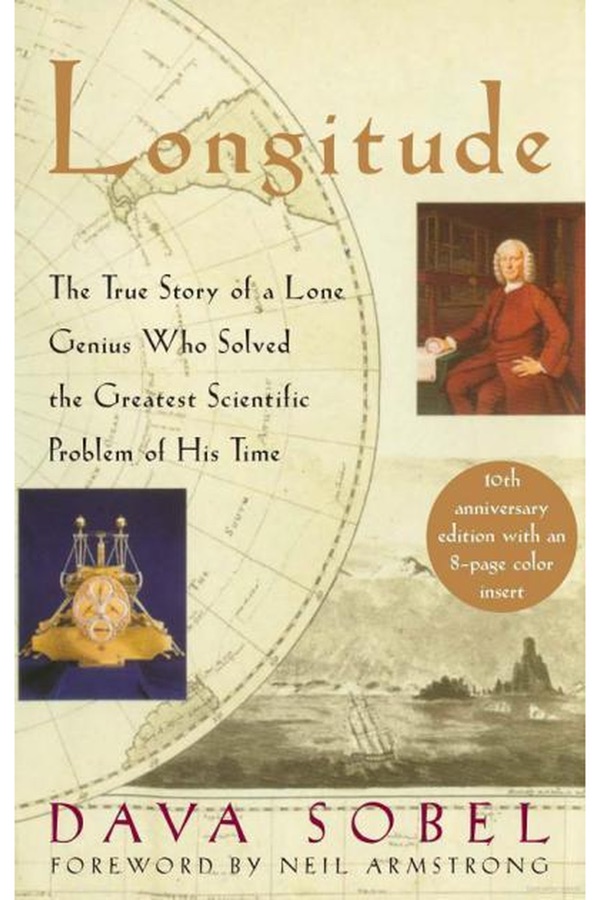 LongitudeDava Sobel
 Midnight in ChernobylAdam Higginbotham