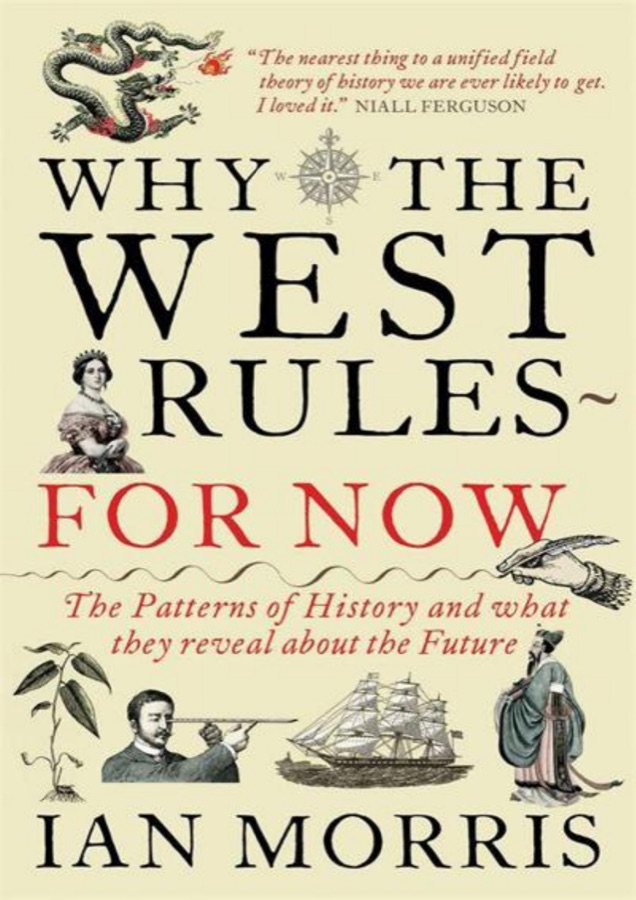
Why the West Rules for Now
A sweeping explanation of how geography, energy, institutions and historical reversals made Western dominance possible, and why it may not last.
16 parts, about 41 minutes to read.


A sweeping explanation of how geography, energy, institutions and historical reversals made Western dominance possible, and why it may not last.
16 parts, about 41 minutes to read.

Here you have three books wrapped into one: an exciting novel that happens to be true; an entertaining but thorough historical account of everything important that happened to any important people in the last ten millennia; and an educated guess about what will happen in the future.

The nearest thing to a unified field theory of history we are ever likely to get.

Morris explains how steam power broke the ceiling on development; Pomeranz adds that China’s coal mines lay mainly in the northwest and needed ventilation, while mine pumping helped drive British steam technology.
 1929Andrew Ross Sorkin
 ChokepointsEdward Fishman
 Collapse: How Societies Choose to Fail or SucceedJared Diamond
 Enlightenment NowSteven Pinker
 Escape from RomeWalter Scheidel
 Genghis Khan and the Making of the Modern WorldJack Weatherford
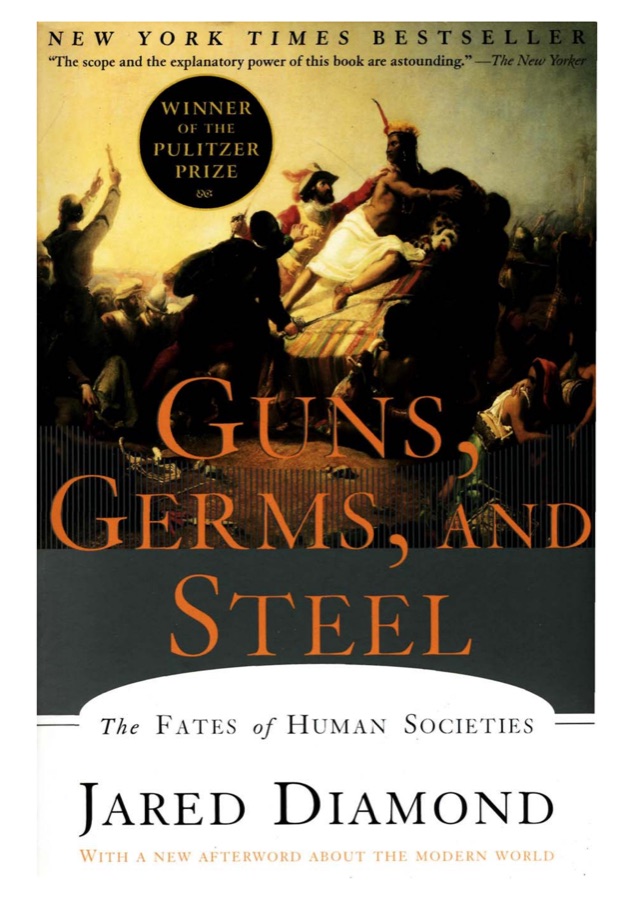 Guns, Germs, and SteelJared Diamond
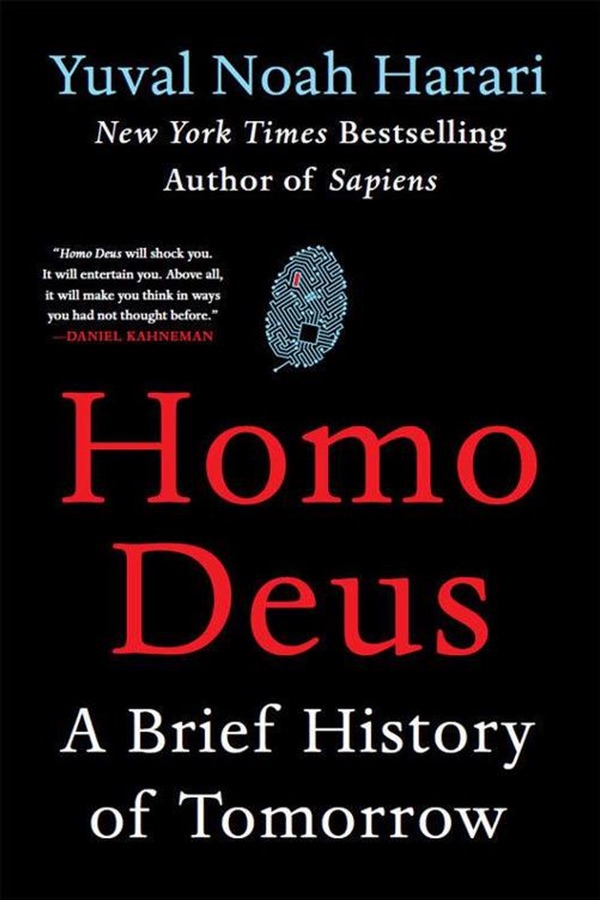 Homo DeusYuval Noah Harari
 King Leopold's GhostAdam Hochschild
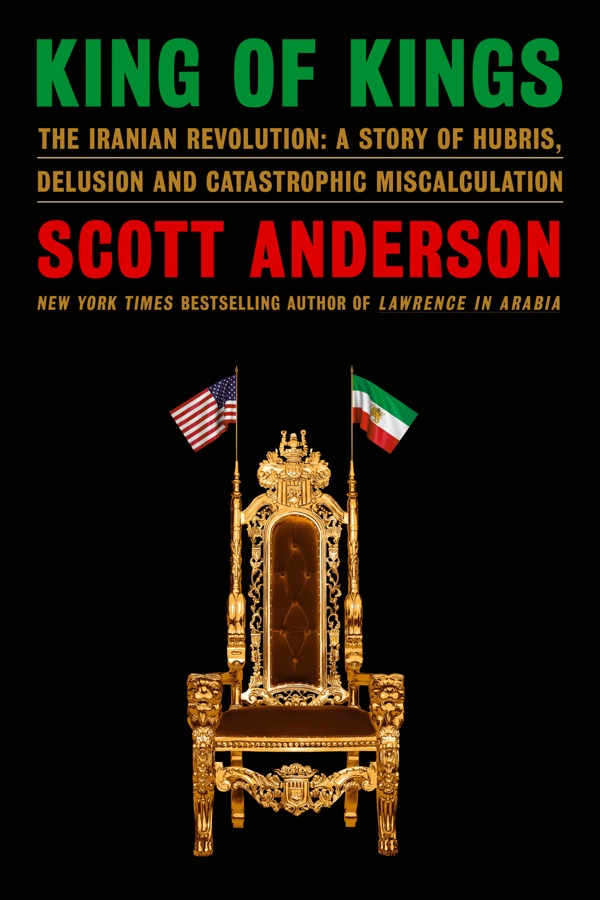 King of KingsScott Anderson
 Long Walk to FreedomNelson Mandela
 LongitudeDava Sobel