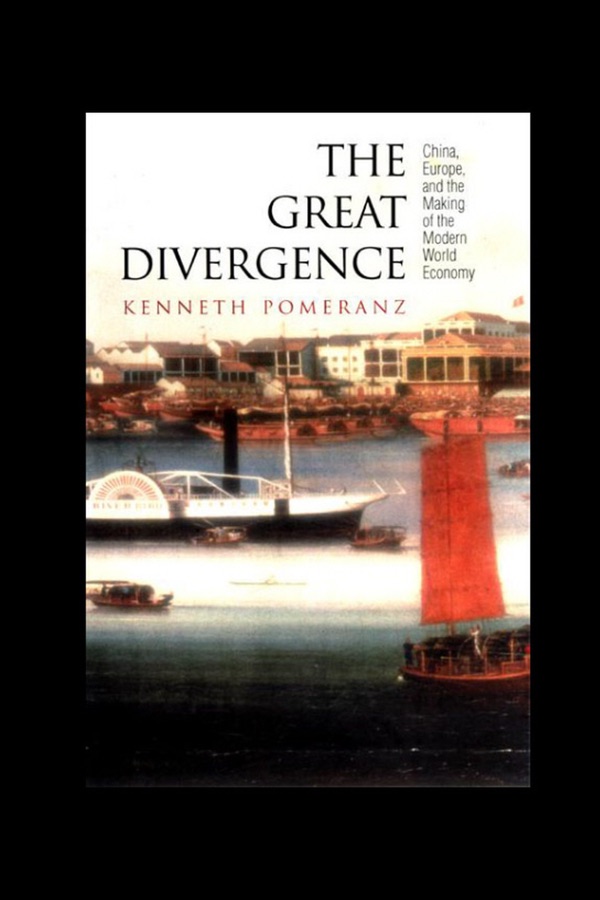
The Great Divergence
Why industrial growth took off in England rather than China's Yangzi Delta, which around 1750 looked much alike, and how coal and the Americas made the difference.
7 parts, about 26 minutes to read.


Why industrial growth took off in England rather than China's Yangzi Delta, which around 1750 looked much alike, and how coal and the Americas made the difference.
7 parts, about 26 minutes to read.

A profoundly thought-provoking book.
The biggest and most important contribution to our new understanding of the causes and mechanisms that brought about the great divergence between the West and the rest.
So rich that fresh insights emerge from virtually every page.
Exhaustively researched and brilliantly argued.

Kenneth Pomeranz judges that exploiting the New World likely did more than Europe's own institutions to set western Europe apart, while Walter Scheidel argues that such overseas resources made the breakthrough possible and sustained it without explaining it, and traces it to Europe's political fragmentation.
 1929Andrew Ross Sorkin
 ChokepointsEdward Fishman
 Collapse: How Societies Choose to Fail or SucceedJared Diamond
 Enlightenment NowSteven Pinker
 Escape from RomeWalter Scheidel
 Genghis Khan and the Making of the Modern WorldJack Weatherford
 Guns, Germs, and SteelJared Diamond
 Homo DeusYuval Noah Harari
 King Leopold's GhostAdam Hochschild
 King of KingsScott Anderson
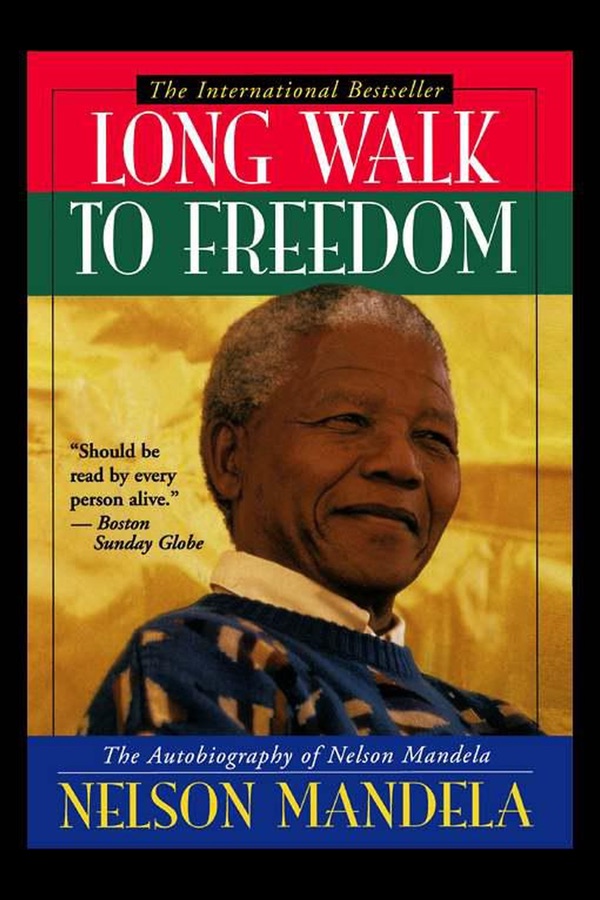 Long Walk to FreedomNelson Mandela
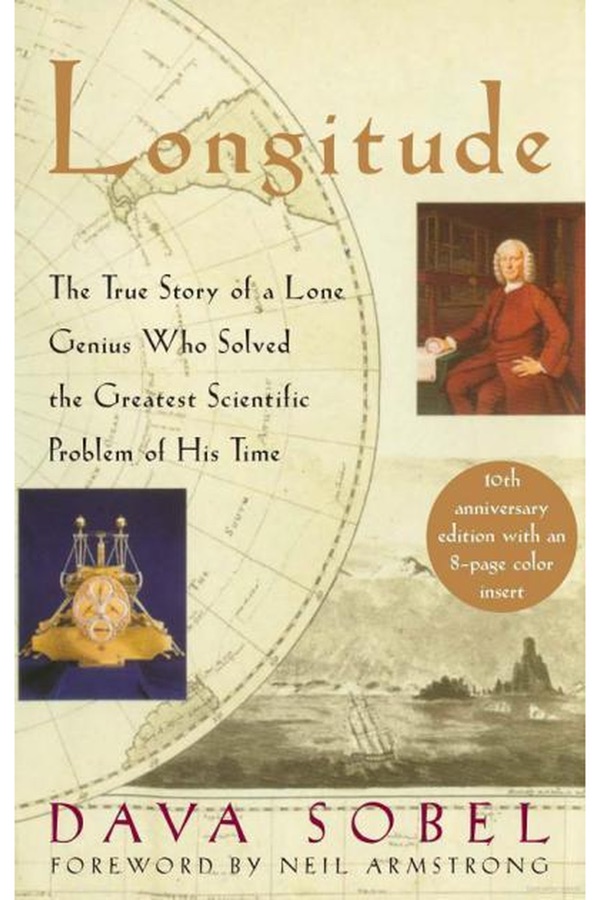 LongitudeDava Sobel