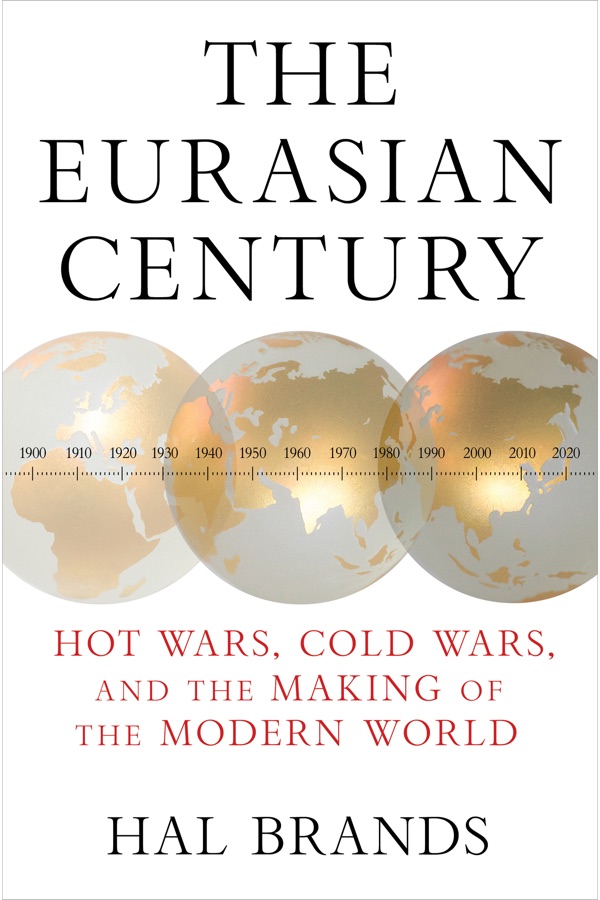
The Eurasian Century
A sweeping history of Eurasian rivalry showing how geography constrains power while coalitions, technology, institutions, and human choices decide outcomes.
7 parts, about 24 minutes to read.


A sweeping history of Eurasian rivalry showing how geography constrains power while coalitions, technology, institutions, and human choices decide outcomes.
7 parts, about 24 minutes to read.
The Eurasian Century is a historical and strategic tour de force, broad-ranging and full of insights.
There is so, so much to admire in this latest work by Hal Brands, from the easy lucidity of his prose to the boldness of his geopolitical arguments

Hal Brands argues that geography shapes great power contests but strategy and human choices decide them; Tim Marshall argues that the landscape imprisons leaders, leaving them fewer choices than people think, which technology can only mitigate.
Hal Brands reads China as a formidable long term challenger seeking primacy, while Graham Allison argues that its rise is unprecedented in speed and scale and that Xi's China wants predominance in Asia.
 1929Andrew Ross Sorkin
 ChokepointsEdward Fishman
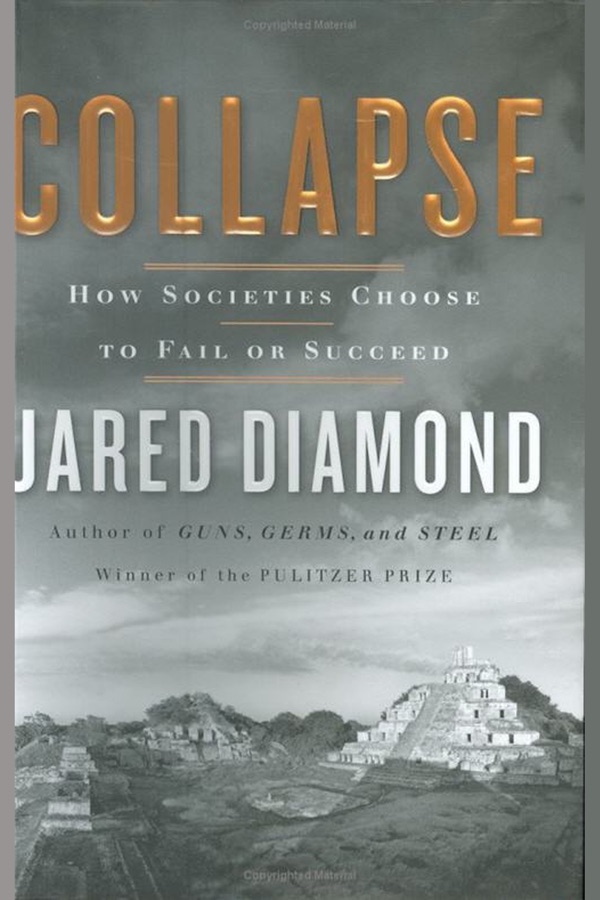 Collapse: How Societies Choose to Fail or SucceedJared Diamond
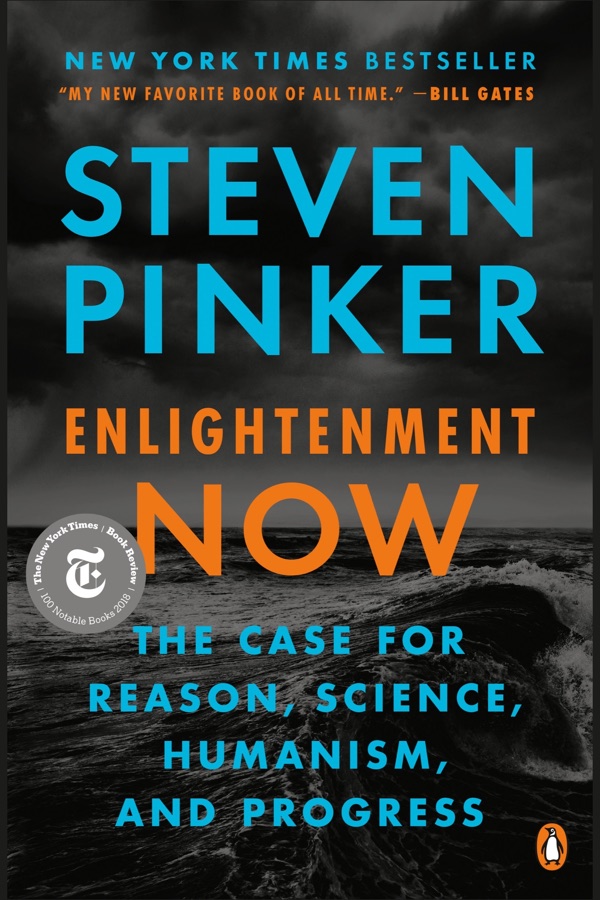 Enlightenment NowSteven Pinker
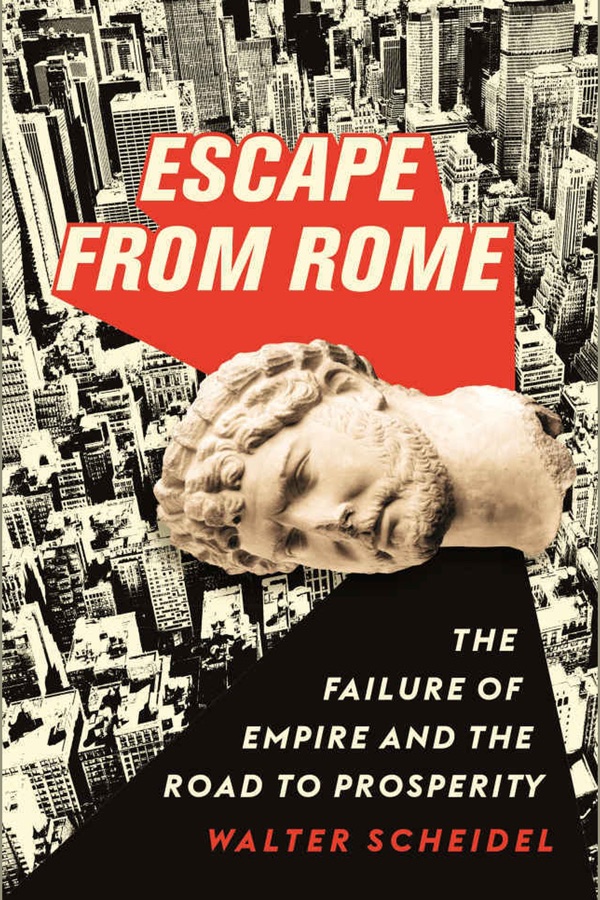 Escape from RomeWalter Scheidel
 Genghis Khan and the Making of the Modern WorldJack Weatherford
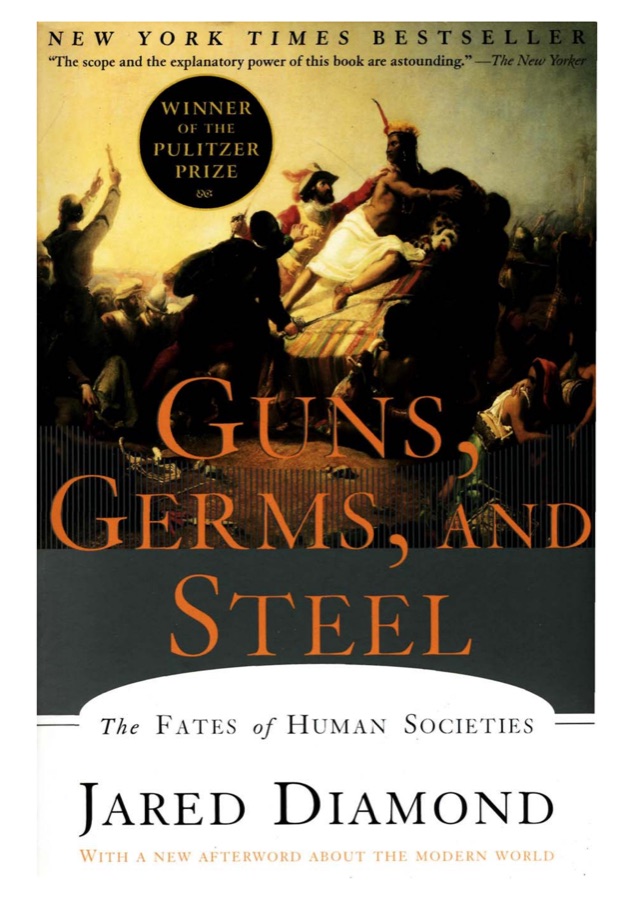 Guns, Germs, and SteelJared Diamond
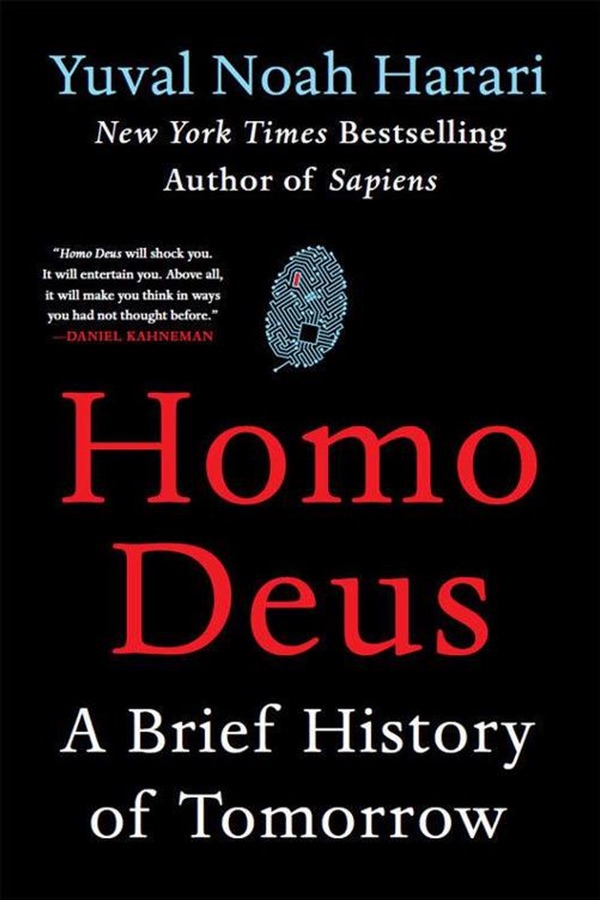 Homo DeusYuval Noah Harari
 King Leopold's GhostAdam Hochschild
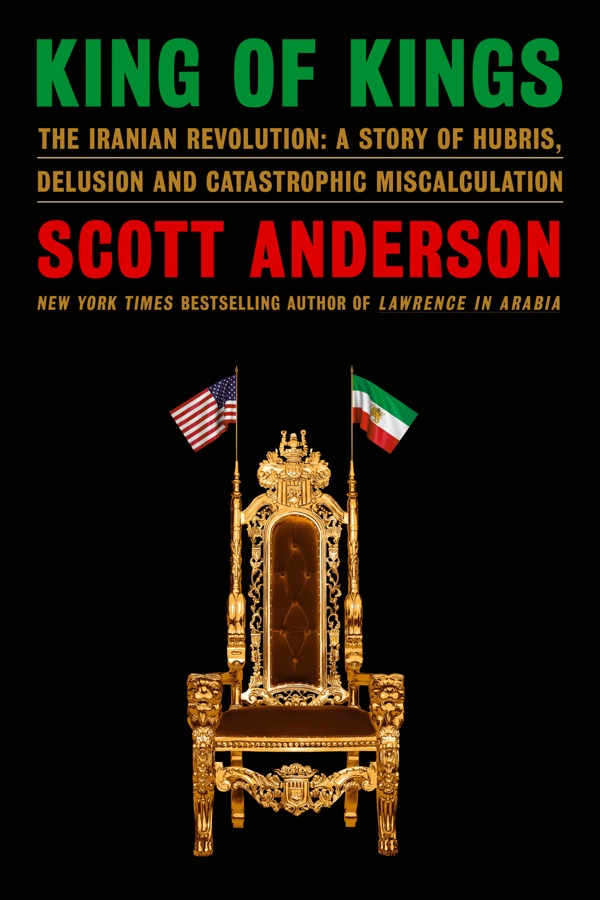 King of KingsScott Anderson
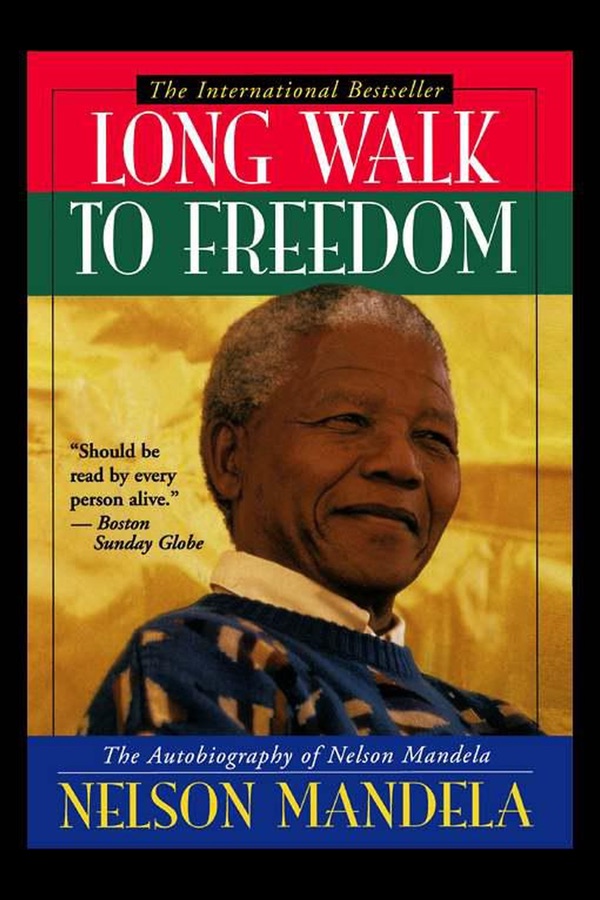 Long Walk to FreedomNelson Mandela
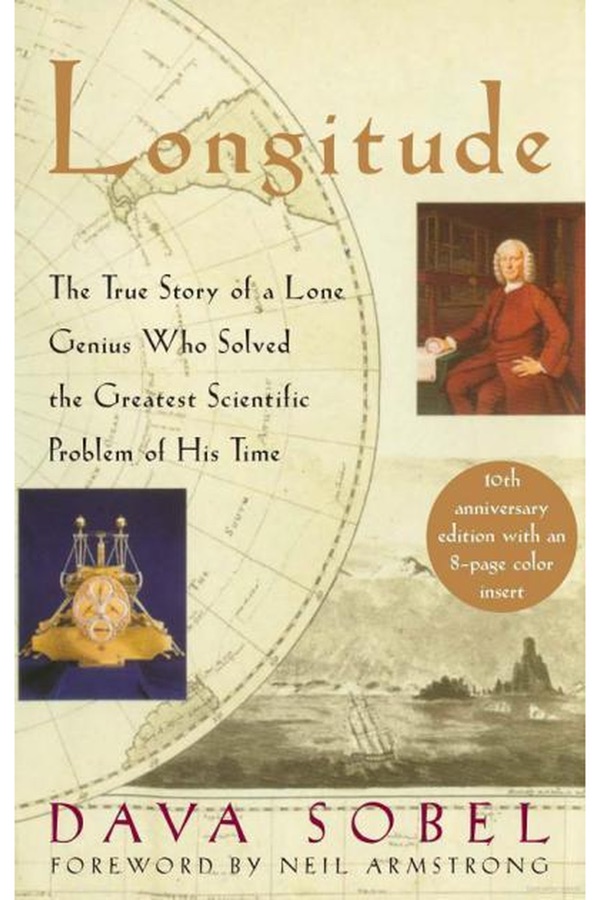 LongitudeDava Sobel