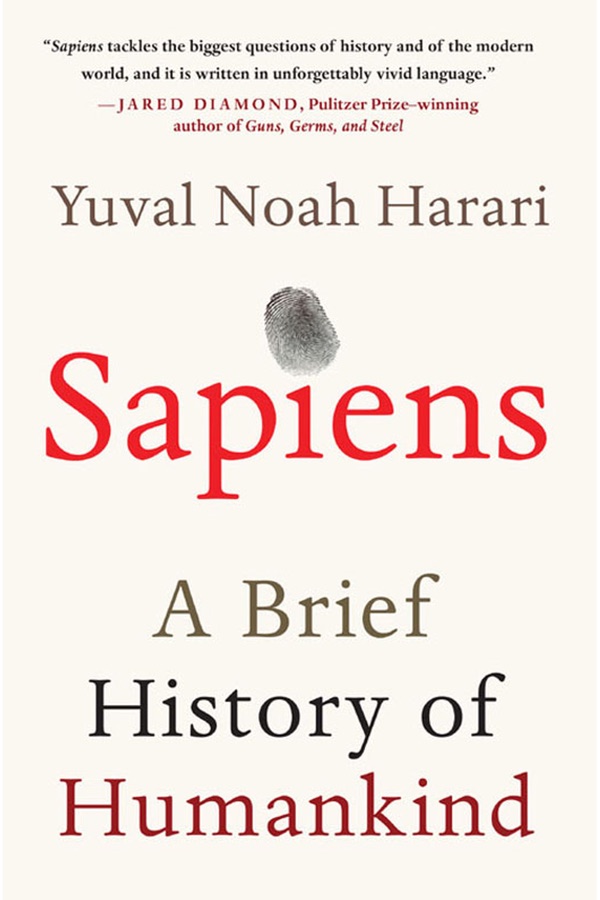
Sapiens
Follow humanity from cognitive revolution to industrial power, and examine how shared stories, empire, money, science, and imagined futures reshaped both society and happiness.
7 parts, about 22 minutes to read.


Follow humanity from cognitive revolution to industrial power, and examine how shared stories, empire, money, science, and imagined futures reshaped both society and happiness.
7 parts, about 22 minutes to read.

Yuval Noah Harari says growth enlarged resources without deciding who would receive them; Daron Acemoglu and Simon Johnson argue that in industrial Britain wages rose with output only when new tasks met stronger worker bargaining power.
 1929Andrew Ross Sorkin
 ChokepointsEdward Fishman
 Collapse: How Societies Choose to Fail or SucceedJared Diamond
 Enlightenment NowSteven Pinker
 Escape from RomeWalter Scheidel
 Genghis Khan and the Making of the Modern WorldJack Weatherford
 Guns, Germs, and SteelJared Diamond
 Homo DeusYuval Noah Harari
 King Leopold's GhostAdam Hochschild
 King of KingsScott Anderson
 Long Walk to FreedomNelson Mandela
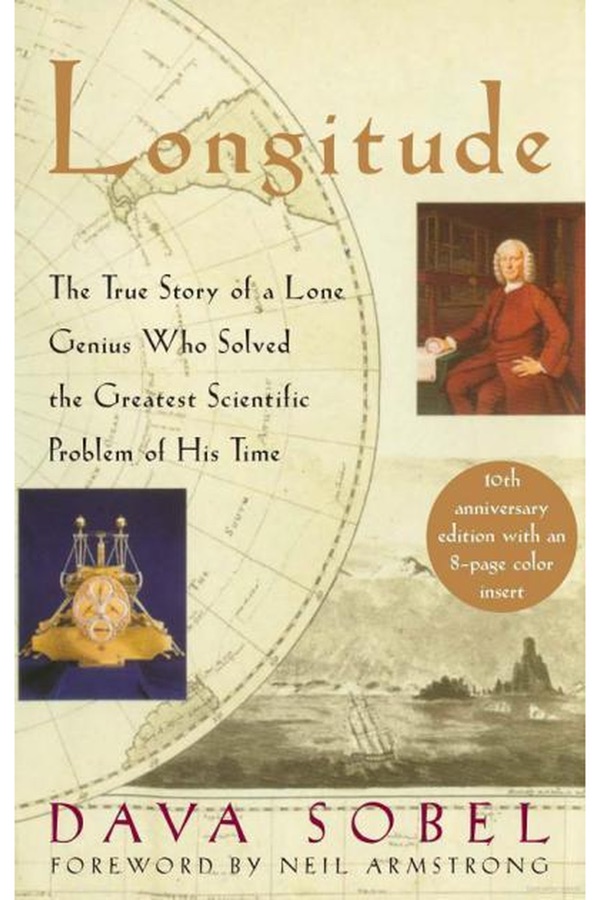 LongitudeDava Sobel