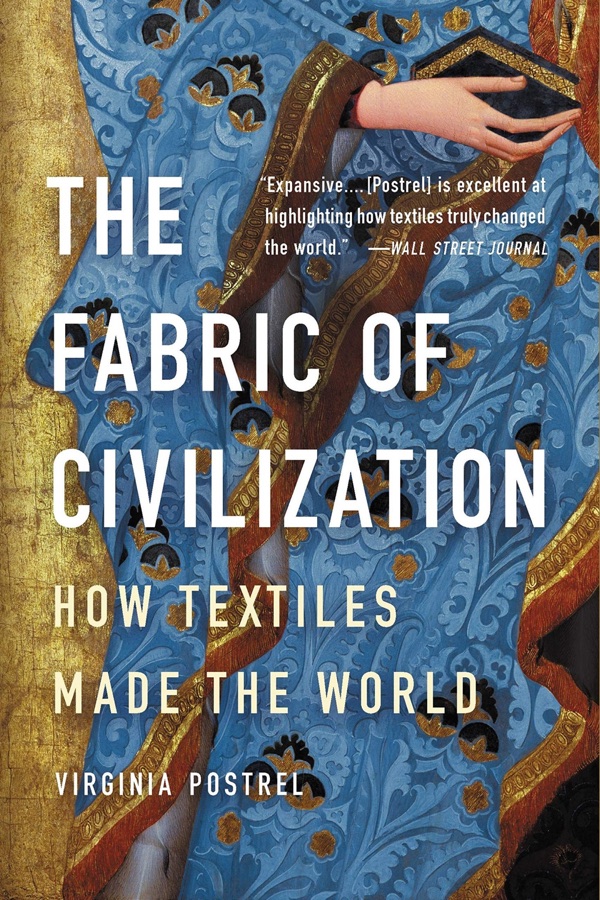
The Fabric of Civilization
How the work of making fiber, thread, cloth and dye drove farming, chemistry, trade, finance and computing, told through the people and techniques behind the textiles we take for granted.
8 parts, about 23 minutes to read.


How the work of making fiber, thread, cloth and dye drove farming, chemistry, trade, finance and computing, told through the people and techniques behind the textiles we take for granted.
8 parts, about 23 minutes to read.
Ambitious, erudite, and absorbing, The Fabric of Civilization is both an education and a pleasure to read.
Well researched and highly readable, the book is a veritable treat.

A fascinating, surprising and beautifully written history of technology, economics, and culture, told through the thread of textiles, humanity's most indispensable artefacts. I loved it.

The story of technology is a story of human ingenuity, and nowhere is this more clear than in the story of textiles: the original technology, going beyond what we commonly think of as 'tech.'
Cleanly written and completely accessible, this book opens up an entirely new world of textiles
Postrel's brilliant, learned, addictive book tells a story of human ingenuity
One of the most extraordinary volumes I have read in years.
This book opens the reader's eyes not only to the textiles that daily surround us but also to the remarkable skills of their makers.
The author actually learned to spin and weave while writing this book, and her explanations and diagrams are spot on.
The Fabric of Civilization: How Textiles Made the World is one of the most compelling books I've ever read on the history of textiles

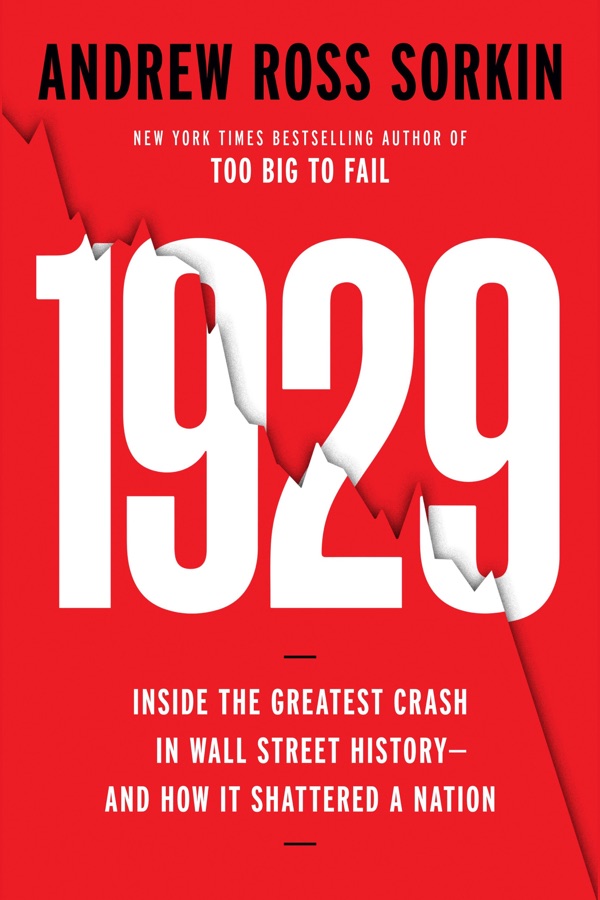 1929Andrew Ross Sorkin
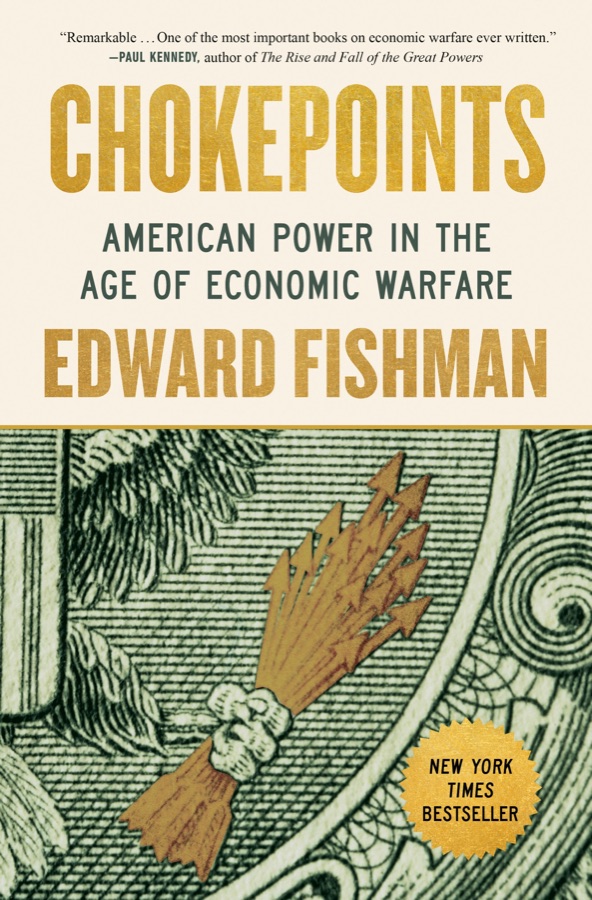 ChokepointsEdward Fishman
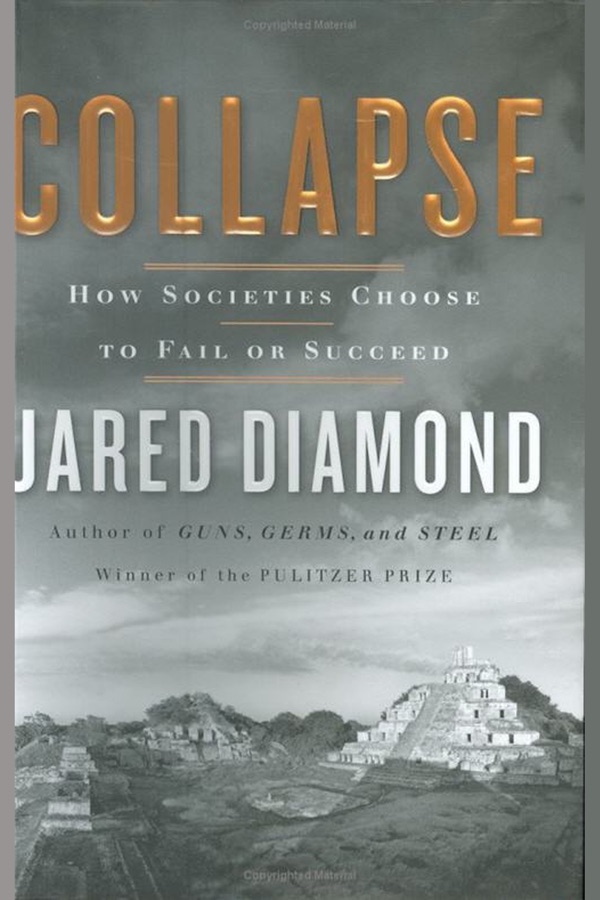 Collapse: How Societies Choose to Fail or SucceedJared Diamond
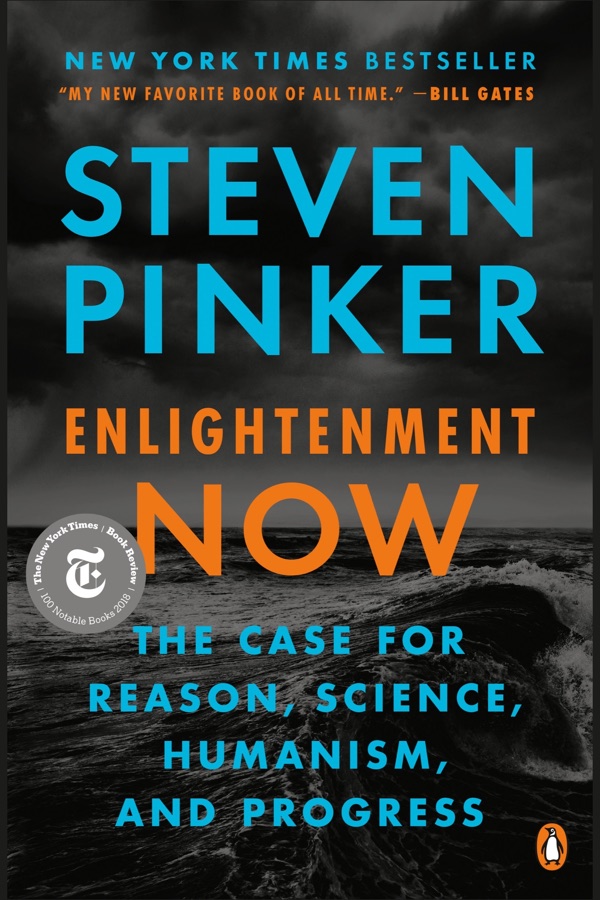 Enlightenment NowSteven Pinker
 Escape from RomeWalter Scheidel
 Genghis Khan and the Making of the Modern WorldJack Weatherford
 Guns, Germs, and SteelJared Diamond
 Homo DeusYuval Noah Harari
 King Leopold's GhostAdam Hochschild
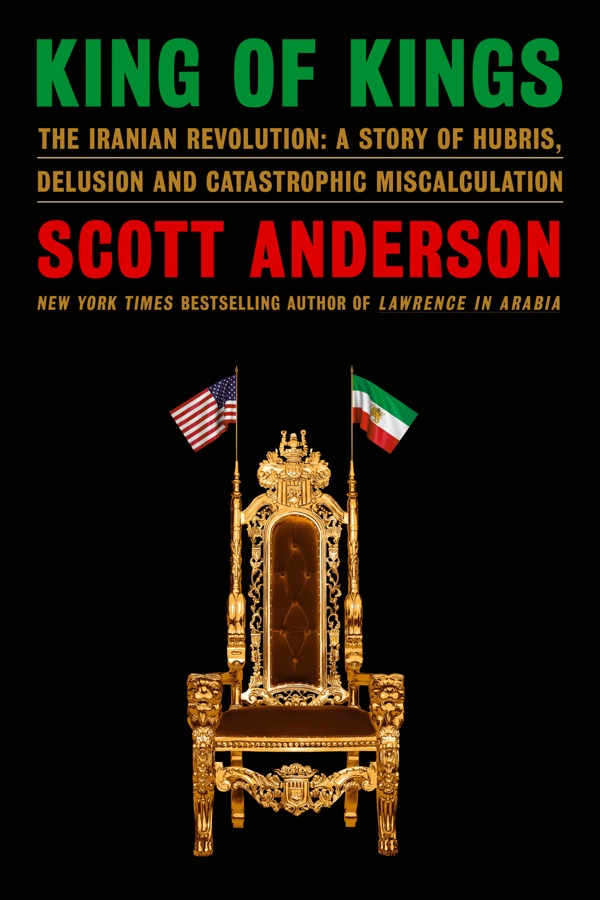 King of KingsScott Anderson
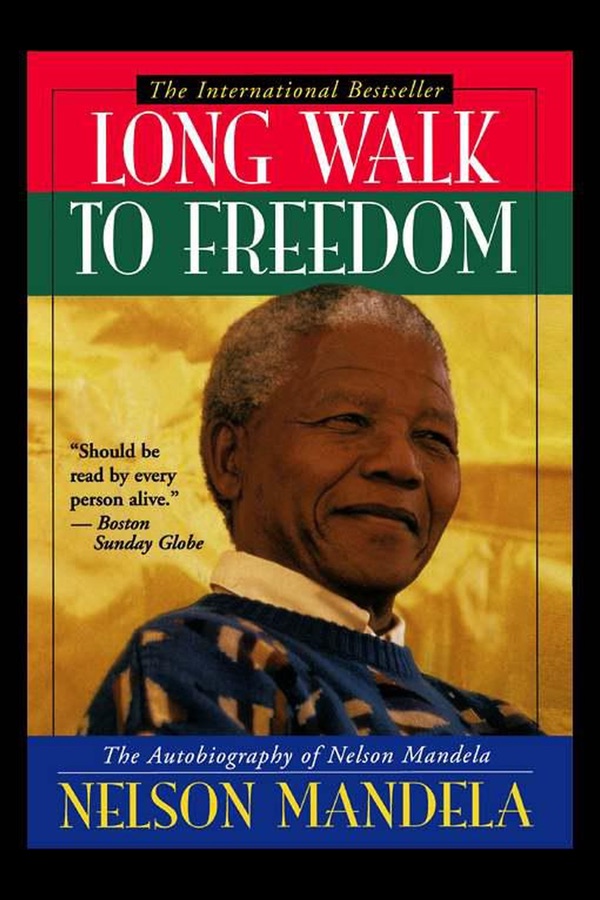 Long Walk to FreedomNelson Mandela
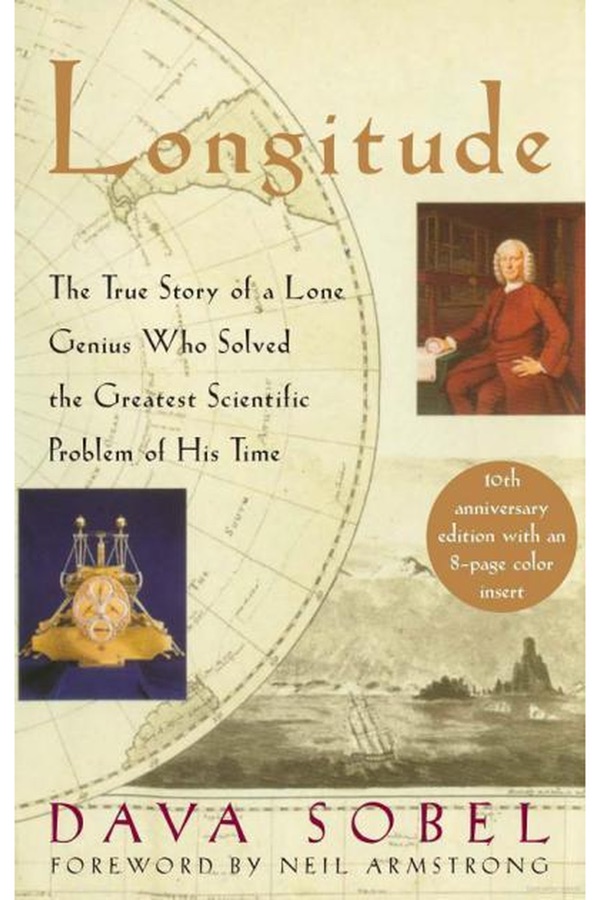 LongitudeDava Sobel