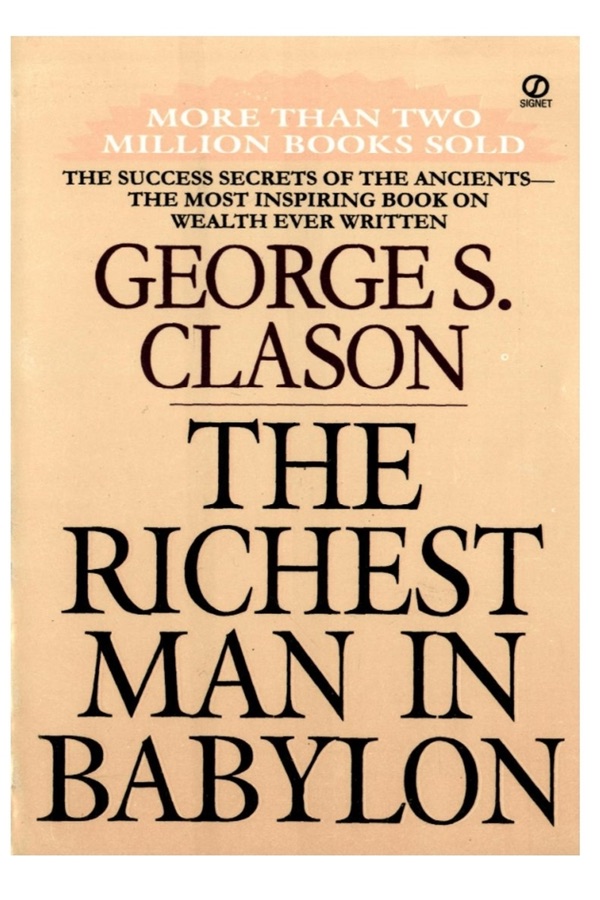
The Richest Man in Babylon
Parables from ancient Babylon teach money's plain rules: keep a tenth of what you earn, control spending, invest cautiously, repay debts and grow your ability to earn.
10 parts, about 21 minutes to read.


Parables from ancient Babylon teach money's plain rules: keep a tenth of what you earn, control spending, invest cautiously, repay debts and grow your ability to earn.
10 parts, about 21 minutes to read.

George S. Clason says to keep at least a tenth of whatever you earn before paying anyone else; Ramit Sethi says to make saving and investing happen by default, with automatic transfers set for fixed days after payday
George S. Clason has Arkad teach that a home bought with a loan and steadily paid off becomes a profitable investment. J. L. Collins says a house is an expensive indulgence, not an investment, and warns against so called good debt.
Clason says expenses expand with income unless restrained by a budget; Stanley and Fallaw identify neighbors as a source of consumption standards, with wealthier neighborhoods potentially raising spending across many categories.
 A Random Walk Down Wall StreetBurton G. Malkiel
 Capital in the Twenty First CenturyThomas Piketty
 Capitalism and Its CriticsJohn Cassidy
 Career and FamilyClaudia Goldin
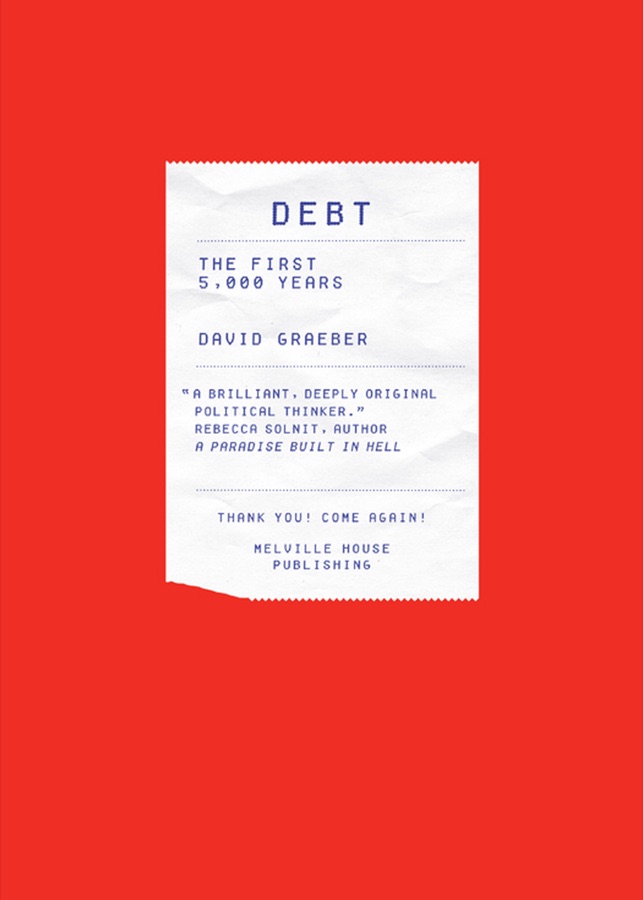 Debt: The First 5,000 YearsDavid Graeber
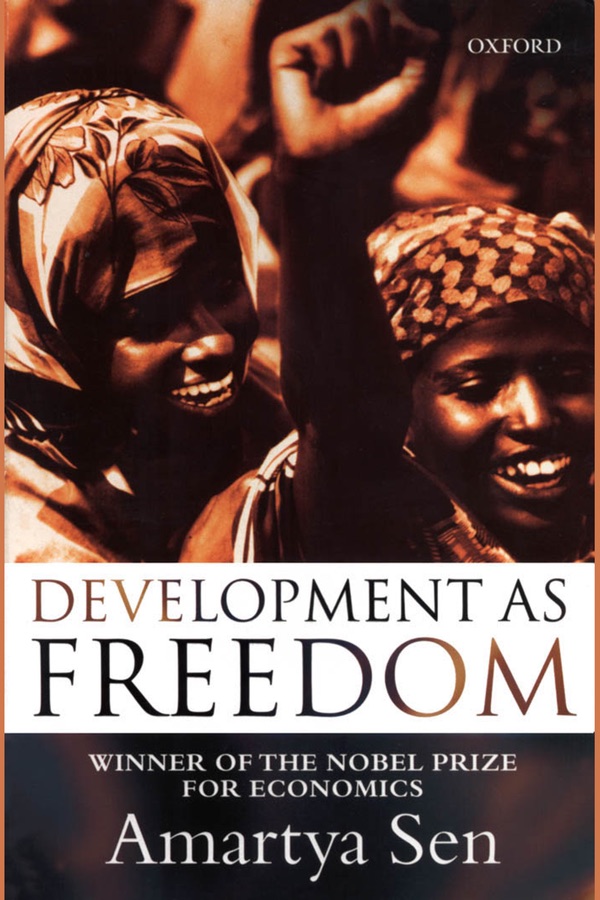 Development as FreedomAmartya Sen
 Die with ZeroBill Perkins
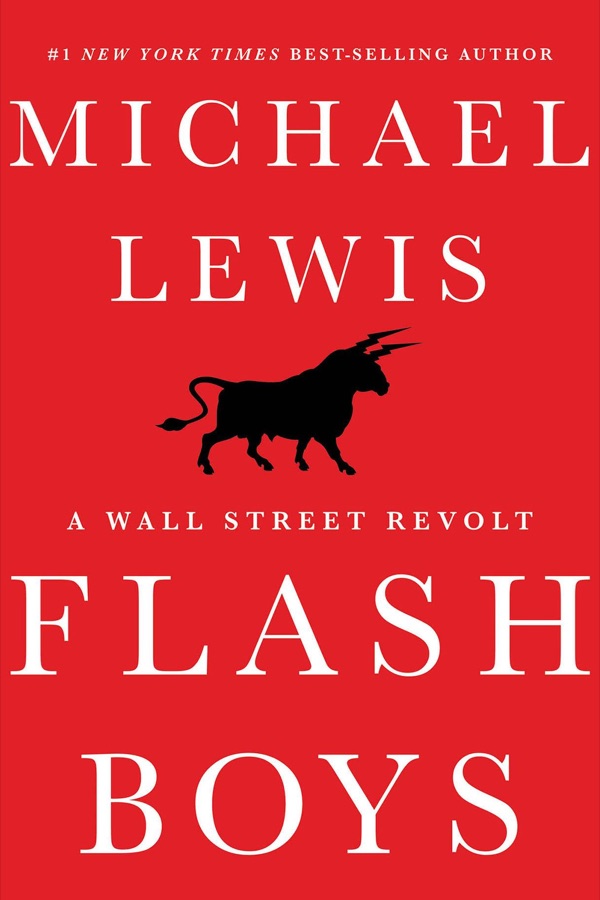 Flash BoysMichael Lewis
 Fooled by RandomnessNassim Nicholas Taleb
 Free to ChooseMilton Friedman, Rose Friedman
 How Countries Go BrokeRay Dalio
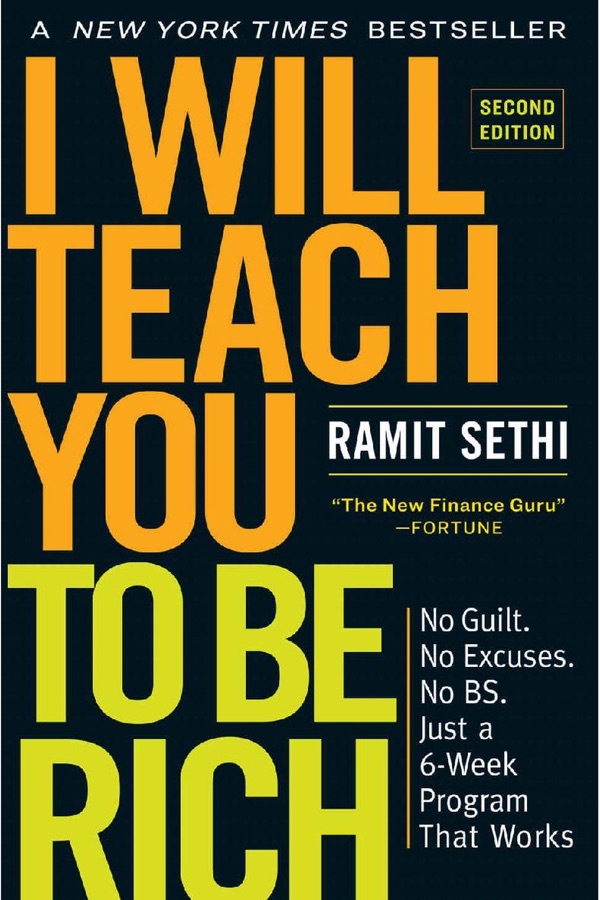 I Will Teach You to Be RichRamit Sethi