Knowingo
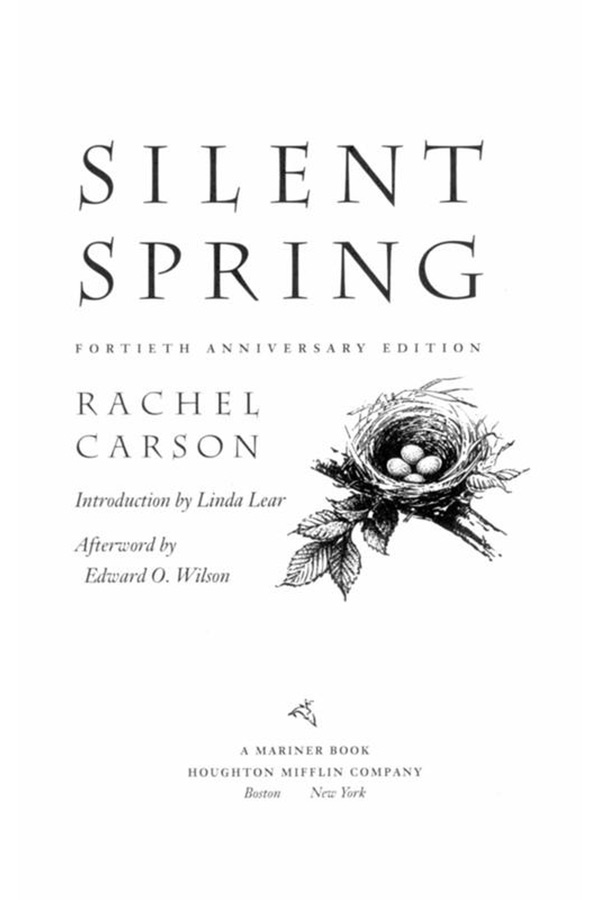
The cover of Silent Spring

Silent Spring

See how one scientist's case against indiscriminate pesticide use exposed poisoned soil, water, and wildlife, and why the alternatives she championed still matter today.

14 parts, about 32 minutes to read.

Why read it

  • Opens with a fable of a town gone silent, then argues that sprays kill helpful insects, birds and fish along with the pests
  • Traces how poisons build up through soil, water and food chains, using the grebes of one lake and the robins of one campus
  • Presents alternatives to broad spraying, including selective treatment, sterile insects, natural predators and bacteria

Who it is for

  • Readers who care about farming, wildlife and what is in their food
  • Gardeners and land managers weighing pest control methods
  • Students of environmental science and public health

What the summary covers

  1. A Fable for Tomorrow1 min
  2. The Obligation to Endure3 min
  3. The Chemistry of the War on Pests3 min
  4. Water and the Web of Poison2 min
  5. The Green Mantle Under the Spray1 min
  6. And No Birds Sing3 min
  7. Mass Spraying on the Ground2 min
  8. Poison at the Table2 min
  9. The Human Price2 min
  10. Through a Narrow Window2 min
  11. One in Every Four3 min
  12. Nature Fights Back2 min
  13. The Rumblings of an Avalanche2 min
  14. The Other Road4 min

Recommended by

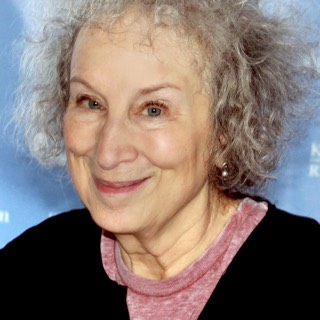
  • Margaret AtwoodNovelist and poet
    Rachel Carson is a pivotal figure of the twentieth century…people who thought one way before her essential 1962 book Silent Spring thought another way after it.
  • Peter MatthiessenEnvironmentalist and novelist
    Well crafted, fearless and succinct, it remains her most celebrated book, although her wonderful essays on the sea may be remembered longer. Even if she had not inspired a generation of activists, Carson would prevail as one of the greatest nature writers in American letters.
  • William O. DouglasU.S. Supreme Court justice

About the author

  • Rachel CarsonAmerican marine biologist and writer who died in 1964
    • Born on May 27, 1907, on a family farm in Springdale, Pennsylvania
    • Graduated magna cum laude in 1929 from the Pennsylvania College for Women, now Chatham University
    • Earned a master’s degree in zoology at Johns Hopkins University in 1932
    • Gave up work toward a doctorate to support her family during the Depression
    • Became the second woman hired by the U.S. Bureau of Fisheries, in 1936, after outscoring all other applicants on the civil service exam
    • Her 1951 book The Sea Around Us won the National Book Award for Nonfiction and stayed on the New York Times bestseller list for 86 weeks
    • Wrote and promoted Silent Spring while battling breast cancer
    • Adopted her late niece’s son in 1957 and moved to Silver Spring, Maryland, to care for her aging mother

More books like this