
Knowingo
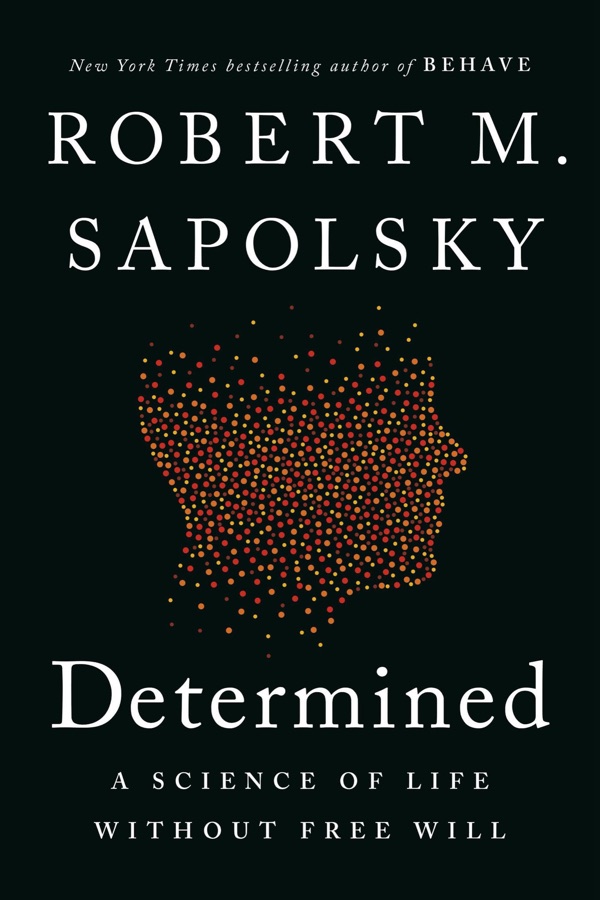
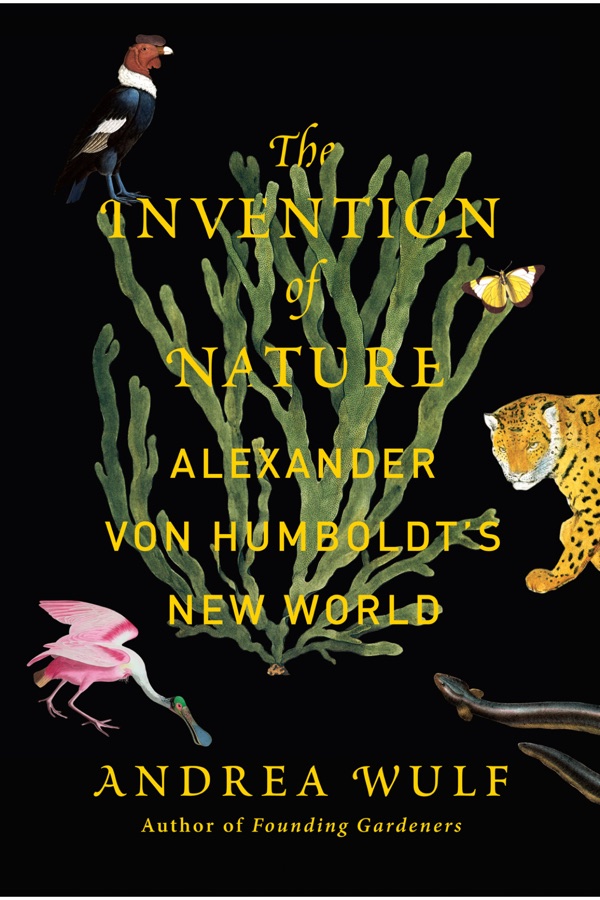
The cover of The Invention of Nature

The Invention of Nature

Follow Alexander von Humboldt as measurement, imagination, travel, and collaboration reveal nature as an interconnected whole and reshape science, conservation, ecology, and environmental thought.

6 parts, about 20 minutes to read.
Why read it

  • Traces how one explorer's habit of connecting forests, water, climate and people shaped the modern idea of nature as a fragile web
  • Shows how measurement joined with imagination turns scattered observations into patterns you can see and compare at a glance
  • Follows the ideas through a revolutionary, writers, naturalists and conservationists who reworked them, and flags what each changed or got wrong

Who it is for

  • Readers who care about ecology and environmental history
  • Scientists and designers who turn data into pictures
  • Hikers and naturalists who keep field notes

What the summary covers

  1. A Mountain That Became a World2 min
  2. Learning to Measure and to Imagine3 min
  3. The Americas and the Web of Life4 min
  4. Making Connections Travel4 min
  5. Ideas Reworked by New Readers5 min
  6. The Name Faded, the Pattern Remained2 min

Recommended by

  • Elizabeth GilbertBestselling author of The Signature of All Things and Big Magic
    Andrea Wulf is a writer of rare sensibilities and passionate fascinations. I always trust her to take me on unforgettable journeys through amazing histories of botanical exploration and scientific unfolding. Her work is wonderful, her language sublime, her intelligence unflagging.
  • Richard HolmesAuthor of Coleridge and The Age of Wonder
    The Invention of Nature is a big, magnificent, adventurous book—so vividly written and daringly researched—a geographical pilgrimage and an intellectual epic!
  • A. N. WilsonAuthor of The Victorians and Victoria: A Life
    This is one of the most exciting intellectual biographies I have ever read, up there with Lewes’s Goethe and Ray Monk’s Wittgenstein.
  • Miranda SeymourAuthor of Noble Endeavors: A History of England and Germany
    Andrea Wulf’s marvelous book should go a long way towards putting this captivating eighteenth century German scientist, traveler and opinion-shaper back at the heart of the way we look at the world which Humboldt helped to interpret, and whose environmental problems he predicted.

About the author

  • Andrea WulfGerman British historian and writer
    • Born in New Delhi, India, to German development aid workers; she spent her first five years there and then grew up in Hamburg.
    • Studied at the University of Lüneburg and then design history at the Royal College of Art in London.
    • Her book The Brother Gardeners was long listed for the Samuel Johnson Prize and received a CBHL Annual Literature Award in 2010.
    • Is a Miller Scholar at the Santa Fe Institute, a three times fellow of the International Center for Jefferson Studies at Monticello, and was the Eccles British Library Writer in Residence in 2013.
    • Was elected a Fellow of the Royal Society of Literature in 2018.
    • Her books have been translated into 27 languages.

More books like this