
Knowingo
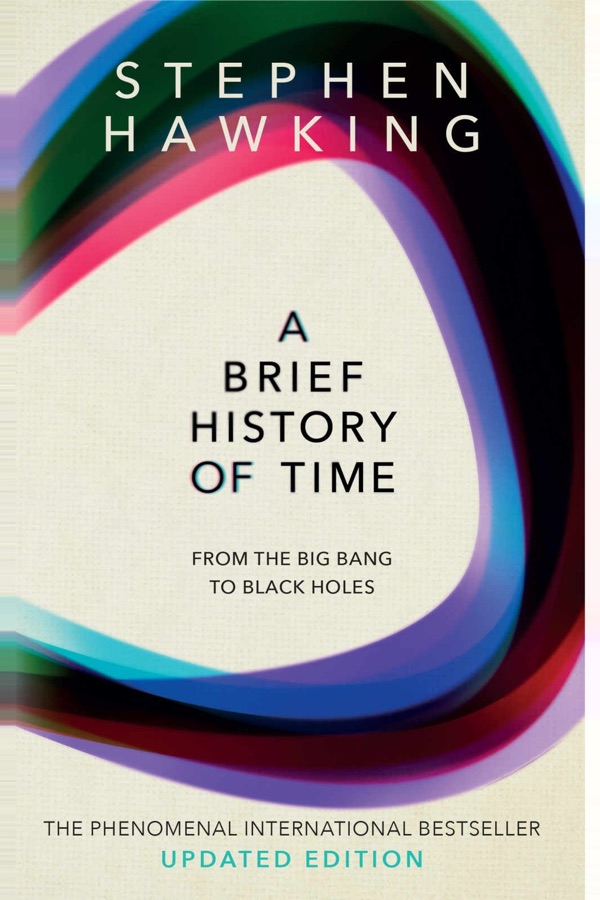
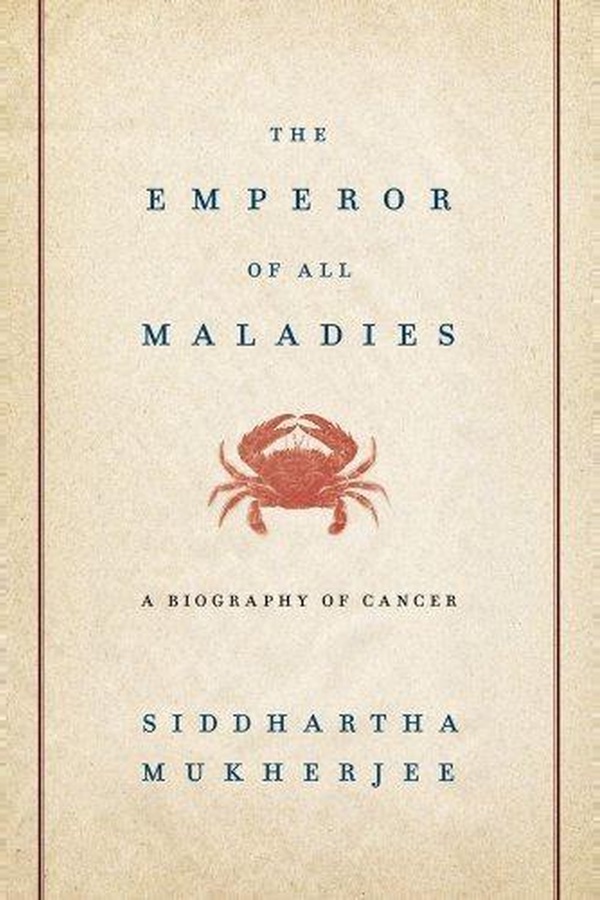
The cover of The Emperor of All Maladies: A Biography of Cancer

The Emperor of All Maladies: A Biography of Cancer

Trace cancer from ancient Egypt to the gene era: Farber's first leukemia drug, the War on Cancer, tobacco and screening, and the discovery of oncogenes that made targeted drugs possible.

23 parts, about 45 minutes to read.

Why read it

  • See how a leukemia drug tried on a few children helped spark a national war on cancer driven by lobbying and fundraising
  • Learn how trials exposed radical surgery and high dose chemotherapy, and why screening can lengthen survival figures without saving lives
  • Follow the discovery that cancer springs from mutated versions of genes our own cells carry, and how it led to drugs aimed at them

Who it is for

  • Readers curious how cancer treatment and research evolved
  • Students of medicine and the history of science
  • Readers weighing claims about cancer screening and prevention

What the summary covers

  1. A Biography of Cancer2 min
  2. Farber's Basement Experiment3 min
  3. Cancer Through the Ages2 min
  4. Radical Surgery and Radiation2 min
  5. The Search for a Chemical Cure1 min
  6. The Jimmy Fund2 min
  7. Building a Lobby Against Cancer4 min
  8. Matching Treatment to Cancer2 min
  9. A Moon Shot for Cancer2 min
  10. The Fall of Radical Surgery2 min
  11. Knowing the Enemy2 min
  12. Soot, Smoke and Proof2 min
  13. Warnings and Lawsuits1 min
  14. Catching Cancer Early2 min
  15. The Megadose Gamble2 min
  16. Searching for a Single Cause1 min
  17. Viruses and Cancer Genes2 min
  18. Accelerators and Brakes2 min
  19. The Hallmarks of Cancer2 min
  20. Victories of an Older Generation2 min
  21. Drugs Aimed at Cancer Genes2 min
  22. Gleevec and the Red Queen2 min
  23. Atossa's War1 min

Recommended by

  • Emma DonoghueIrish Canadian novelist and screenwriter
    Siddhartha Mukherjee’s The Emperor of All Maladies left me shaken, fascinated, and not depressed, because he gives a face to our old enemy, cancer.
  • Tony JudtHistorian of modern Europe, late professor at NYU
    Sid Mukherjee’s book is a pleasure to read, if that is the right word. . . . His book is the clearest account I have read on this subject. With The Emperor of All Maladies, he joins that small fraternity of practicing doctors who cannot just talk about their profession but write about it.
  • Andrew SolomonAuthor of The Noonday Demon
    Rarely have the science and poetry of illness been so elegantly braided together as they are in this erudite, engrossing, kind book.
  • David RieffNonfiction writer and policy analyst
    At once learned and skeptical, unsentimental and humane, The Emperor of All Maladies is that rarest of things—a noble book.
  • Adam HochschildAuthor and historian of King Leopold's Ghost
    A magisterial, wise, and deeply human piece of writing.
  • Bert VogelsteinCancer genomics pioneer at Johns Hopkins
    The Emperor of All Maladies beautifully describes the nature of cancer from a patient’s perspective and how basic research has opened the door to understanding this disease.
  • George CanellosOncologist and Harvard Medical School professor
  • Donald BerryBiostatistician, MD Anderson Cancer Center
    An elegant . . . tour de force. The Emperor of All Maladies reads like a novel . . . but it deals with real people and real successes, as well as with the many false notions and false leads. Not only will the book bring cancer research and cancer biology to the lay public, it will help attract young researchers to a field that is at once exciting and heart wrenching . . . and important.

About the author

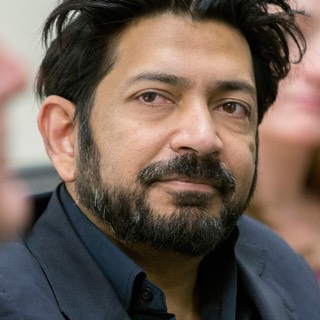
  • Siddhartha MukherjeePhysician and biologist, winner of the 2011 Pulitzer Prize for General Nonfiction
    • Born in New Delhi, India
    • Studied biology at Stanford, earned a D.Phil. at Oxford as a Rhodes Scholar and an M.D. at Harvard
    • As a Stanford biology major he worked in the laboratory of the Nobel laureate Paul Berg
    • Associate Professor of Medicine at Columbia University and an oncologist at its medical center
    • His research covers the physiology of cancer cells, immunological therapy for blood cancers and stem cells that form bone and cartilage
    • His first book, The Emperor of All Maladies (2010), won the 2011 Pulitzer Prize for General Nonfiction
    • Both The Emperor of All Maladies and The Gene were adapted into PBS documentaries by Ken Burns
    • A member of the National Academy of Medicine

More books like this