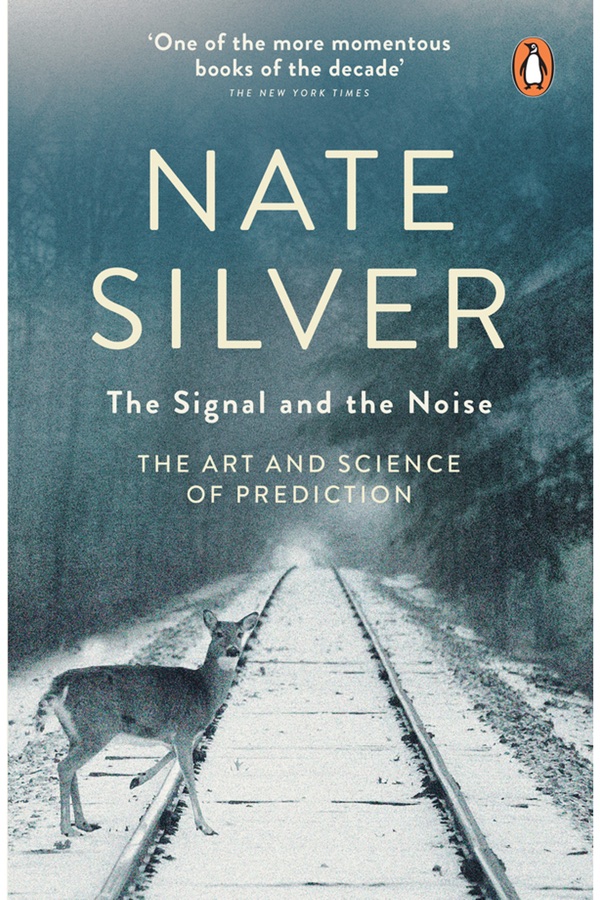
The Signal and the Noise
Learn why so many forecasts fail, from credit ratings to earthquakes, and how thinking in probabilities and updating on new evidence can make your own predictions less wrong.
15 parts, about 32 minutes to read.


Learn why so many forecasts fail, from credit ratings to earthquakes, and how thinking in probabilities and updating on new evidence can make your own predictions less wrong.
15 parts, about 32 minutes to read.
Yogi Berra was right: ‘forecasting is hard, especially about the future.’ In this important book, Nate Silver explains why the performance of experts varies from prescient to useless and why we must plan for the unexpected. Must reading for anyone who cares about what might happen next.

Our political discourse is already better informed and more data-driven because of Nate’s influence. But here he shows us what he has always been able to see in the numbers—the heart and the ethical imperative of getting the quantitative questions right. A wonderful read—totally engrossing.

Nate Silver shows how weather forecasts improve; Michael Lewis explains why residents may still ignore warnings and how trusted voices can prompt action.
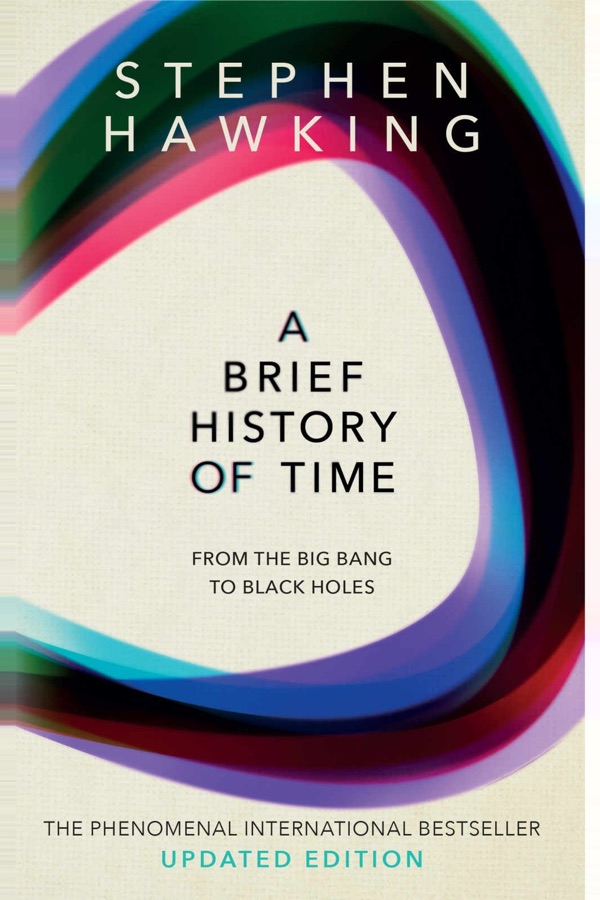 A Brief History of TimeStephen Hawking
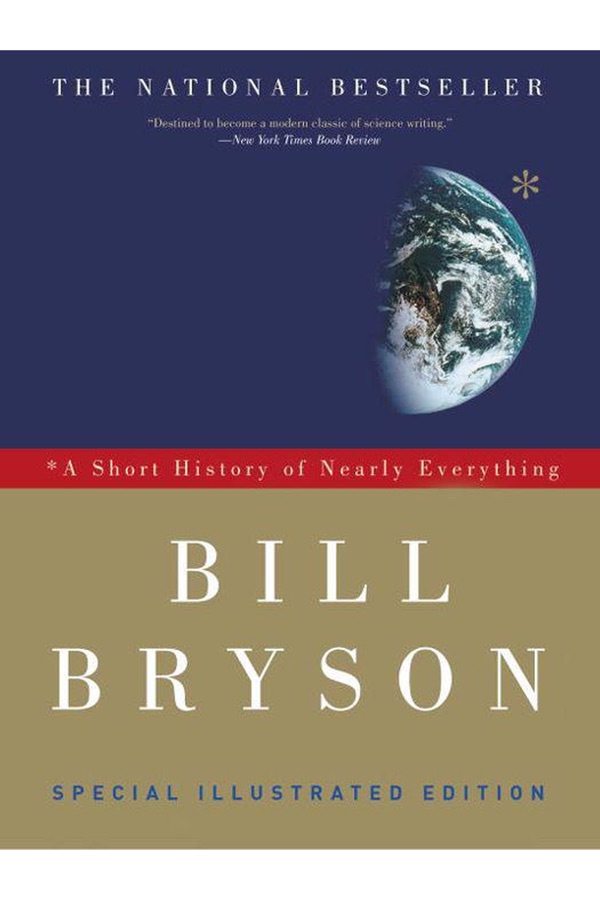 A Short History of Nearly EverythingBill Bryson
 An Immense WorldEd Yong
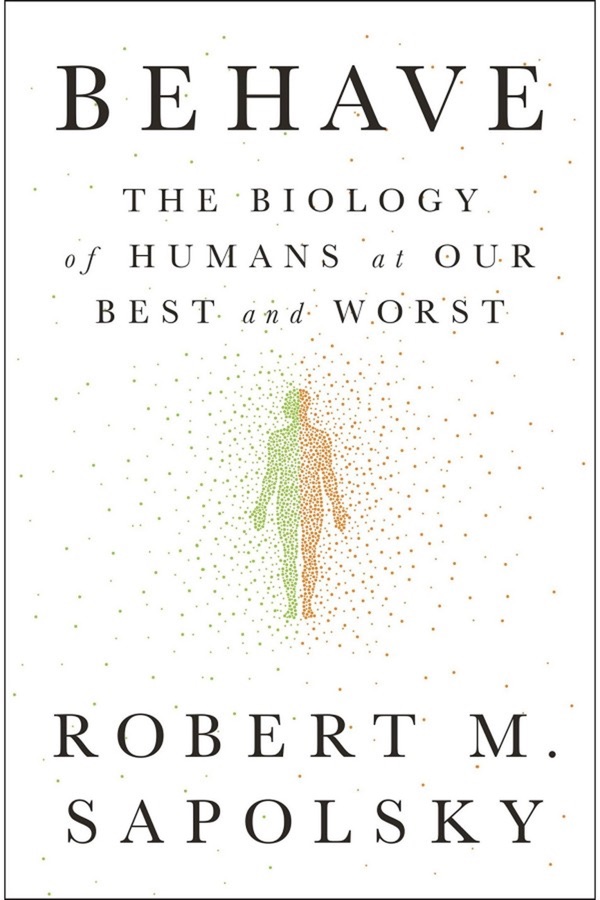 BehaveRobert M. Sapolsky
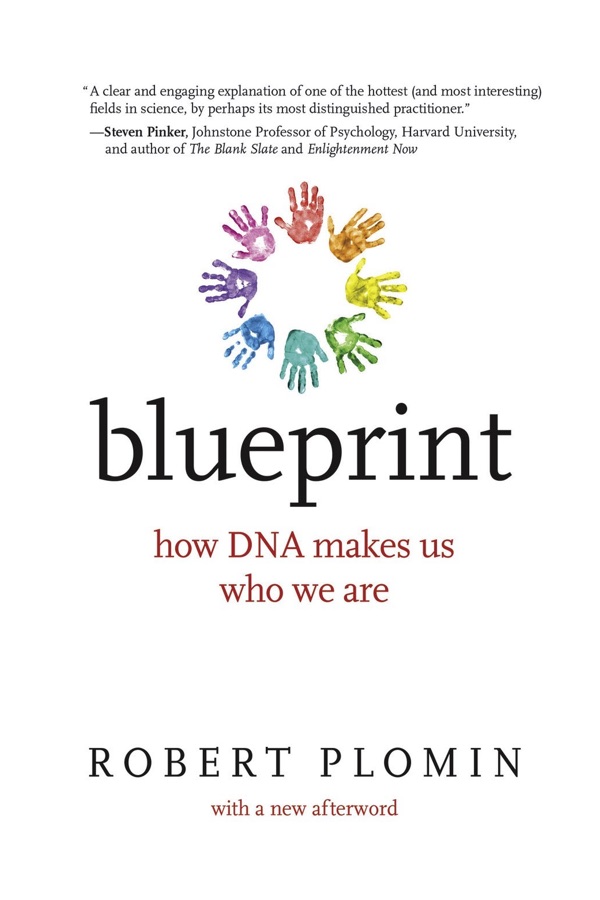 BlueprintRobert Plomin
 Braiding SweetgrassRobin Wall Kimmerer
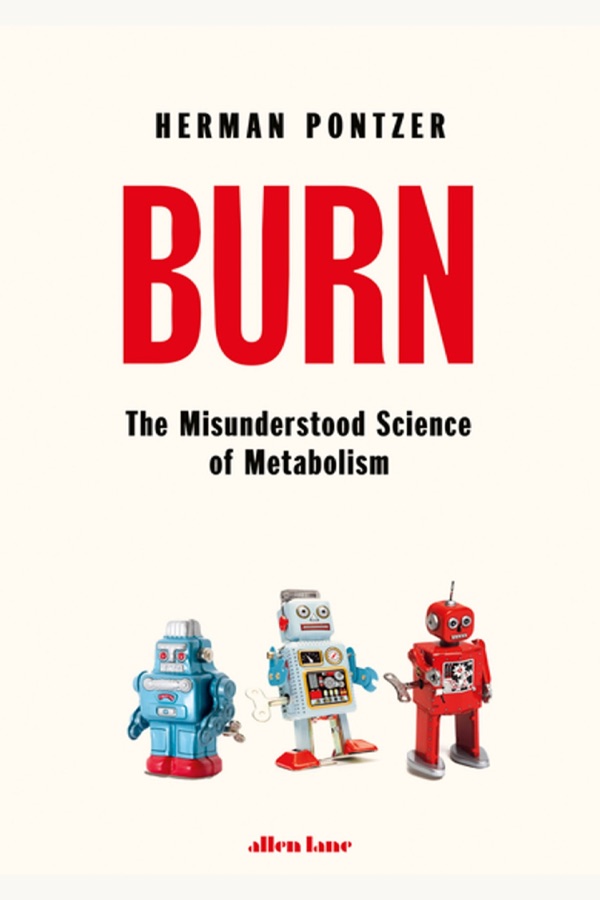 BurnHerman Pontzer
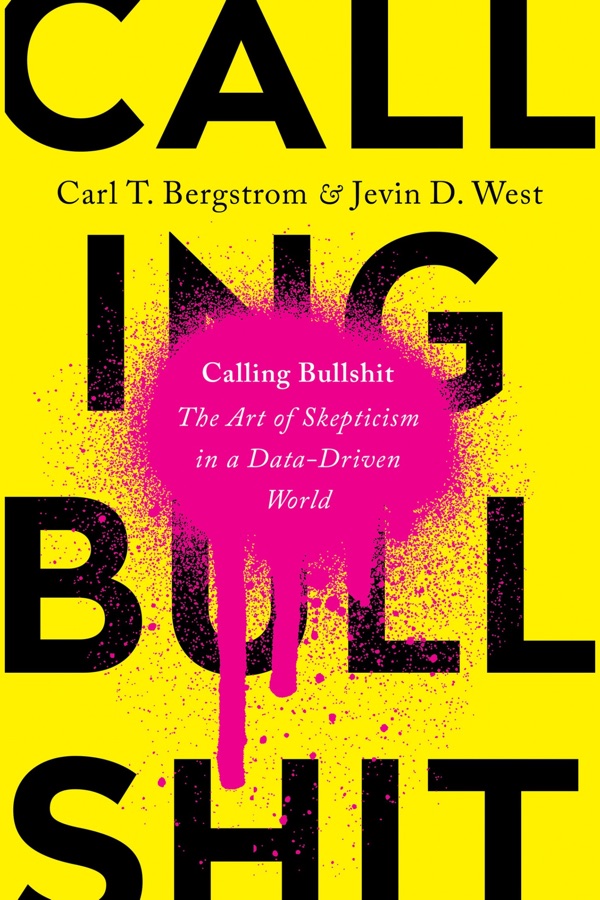 Calling BullshitCarl T. Bergstrom, Jevin D. West
 CosmosCarl Sagan
 DeterminedRobert M. Sapolsky
 Entangled LifeMerlin Sheldrake
 Everything Is PredictableTom Chivers