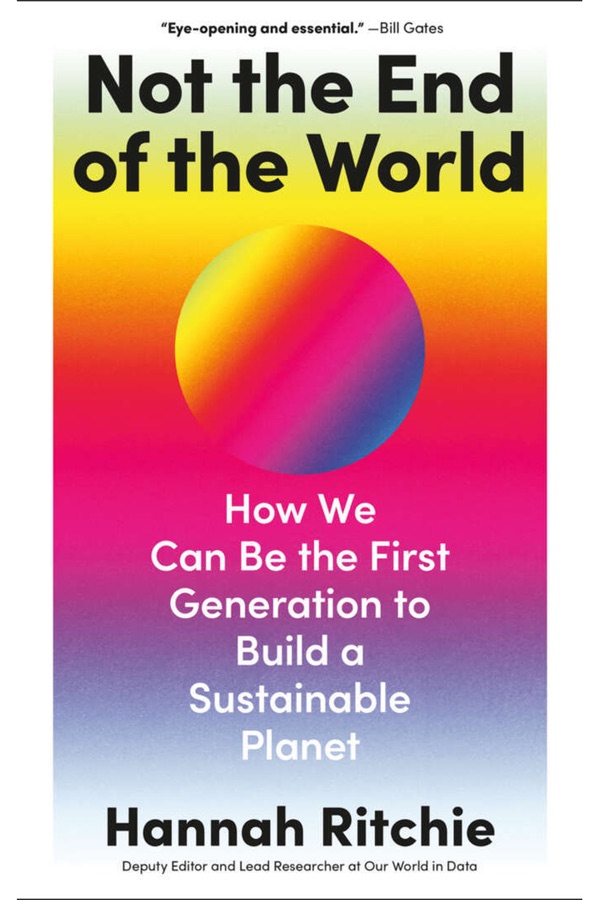
Not the End of the World
Long run data on air pollution, climate, forests, food, wildlife, plastics and fishing show how we could be the first generation to build a sustainable planet.
10 parts, about 21 minutes to read.


Long run data on air pollution, climate, forests, food, wildlife, plastics and fishing show how we could be the first generation to build a sustainable planet.
10 parts, about 21 minutes to read.

Not the End of the World is eye-opening and essential. With comprehensive data and sometimes counterintuitive conclusions, Hannah Ritchie does for the environment what Hans Rosling did for health.
The climate and environmental crisis now has its Hans Rosling. Hannah Ritchie has charted an invigorating, inspiring, often surprising tour of recent human history and the many marks of progress it contains.
Her book shines with practicality and positivity. It will banish your feelings of doom, help you focus on what’s really important, and make you want to be a part of the most effective solutions to our greatest challenges.

An inspiring data-mine which gives us not only real guidance, but the most necessary ingredient of all: hope . . . truly essential

The surprising message in the data is that human civilization is far along toward solving planetary problems. Hannah Ritchie shows how building on the successful trends can finish the job.

Such a clear-eyed view of the state we're in, giving a sharp picture of the challenges ahead, and an inspiring vision of the problems we've already solved. Everyone who reads it will learn a lot – I did.

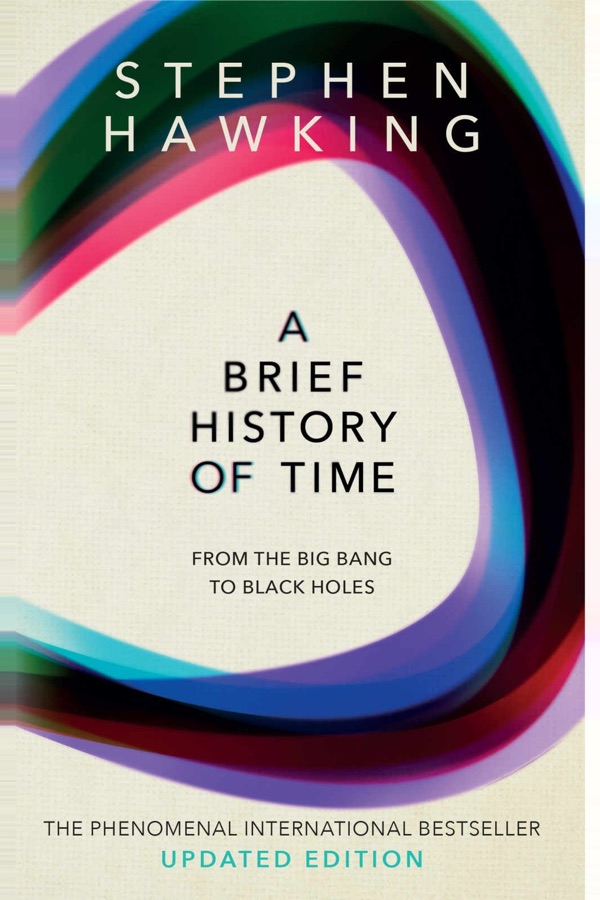 A Brief History of TimeStephen Hawking
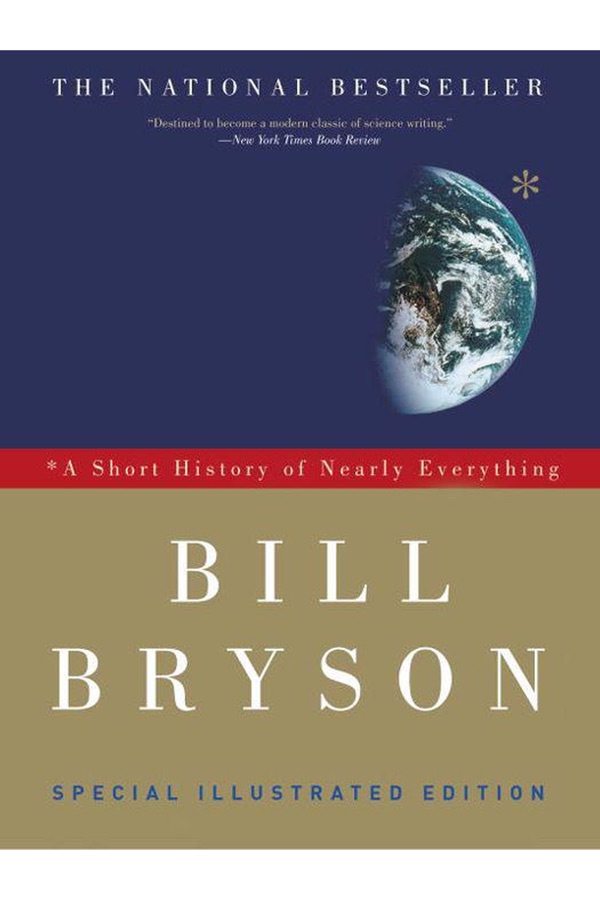 A Short History of Nearly EverythingBill Bryson
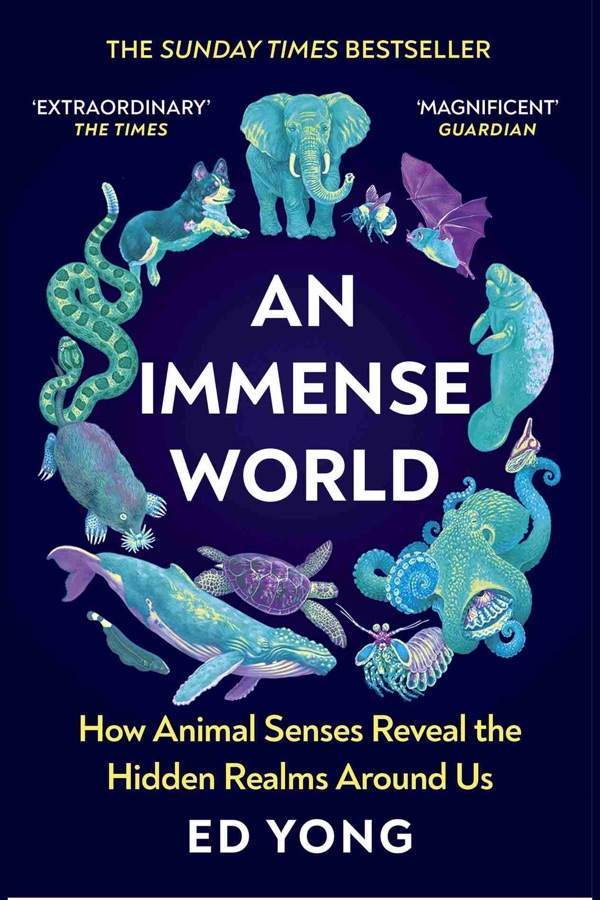 An Immense WorldEd Yong
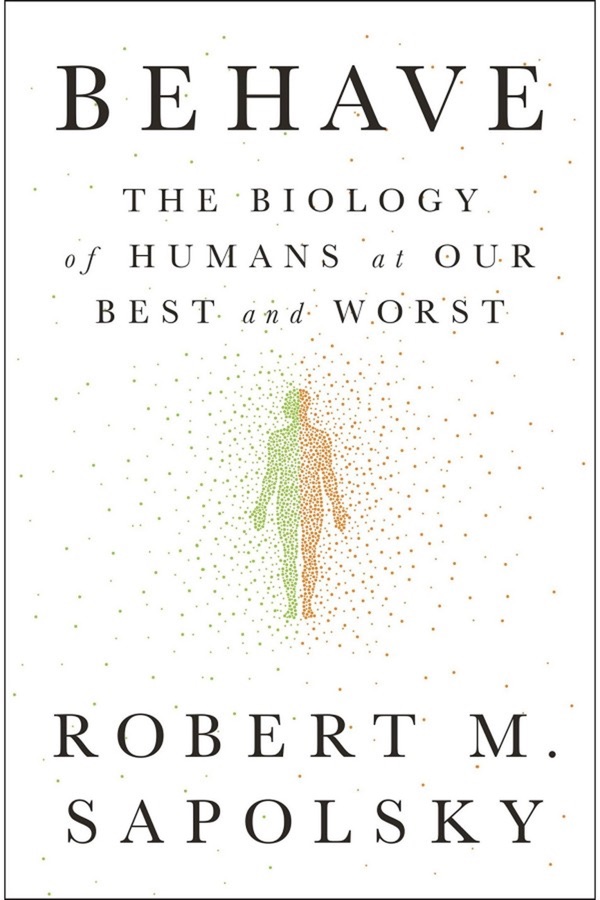 BehaveRobert M. Sapolsky
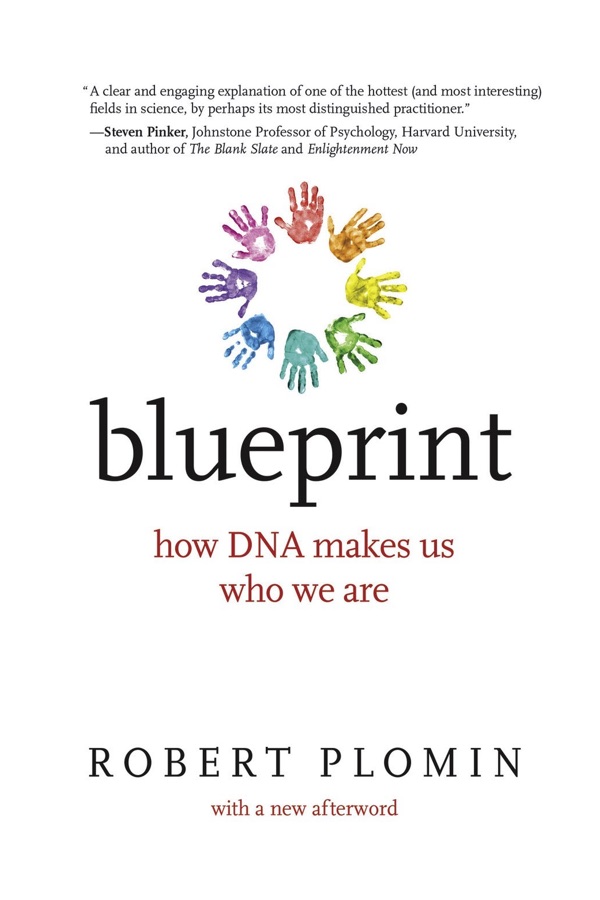 BlueprintRobert Plomin
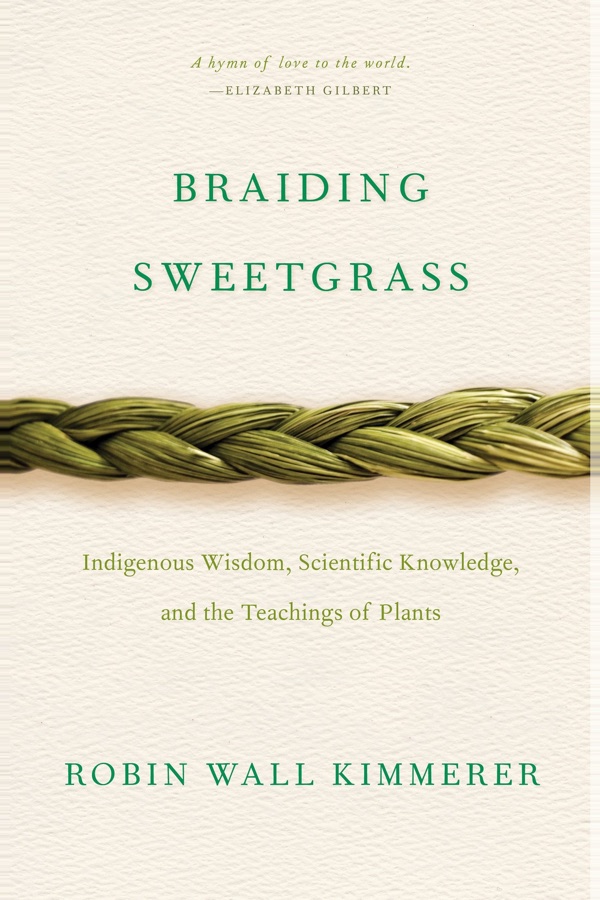 Braiding SweetgrassRobin Wall Kimmerer
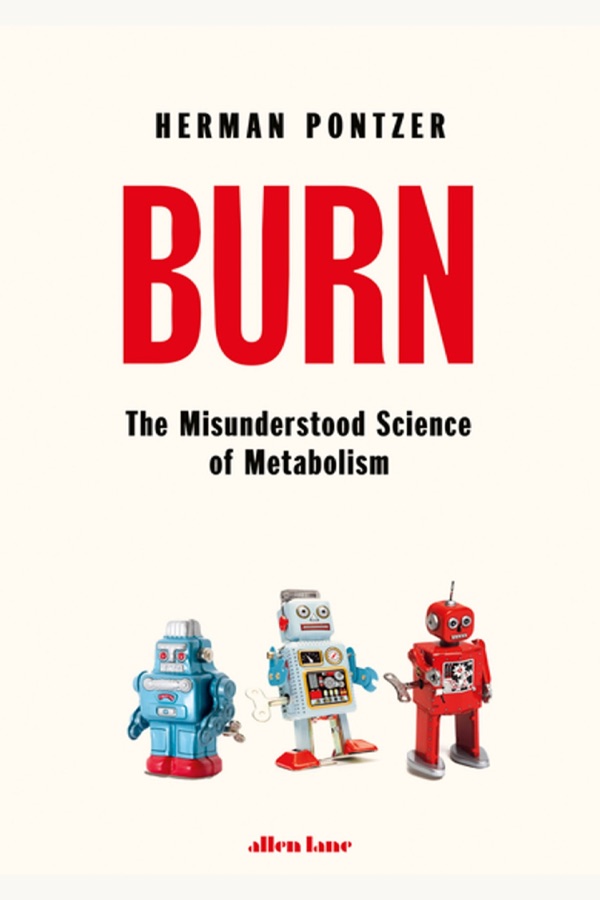 BurnHerman Pontzer
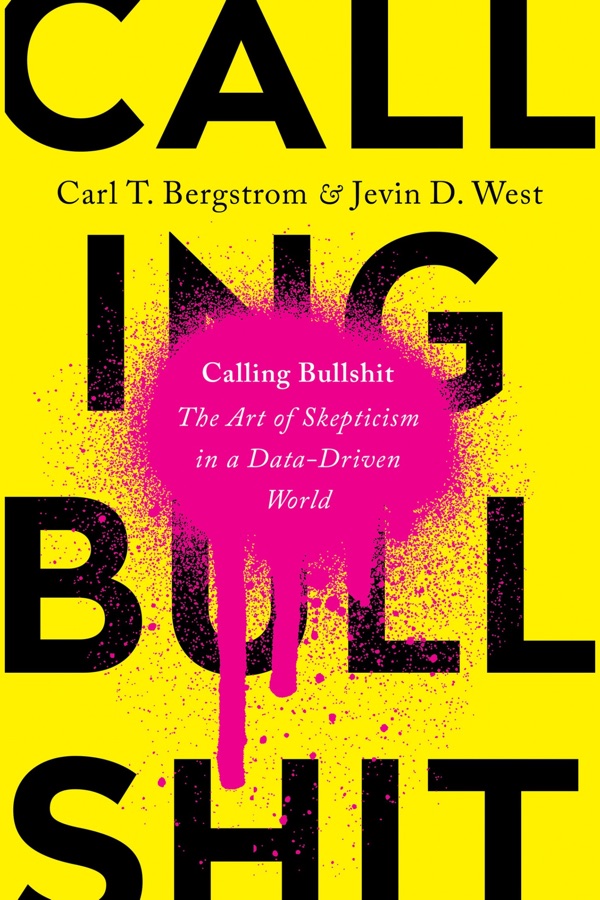 Calling BullshitCarl T. Bergstrom, Jevin D. West
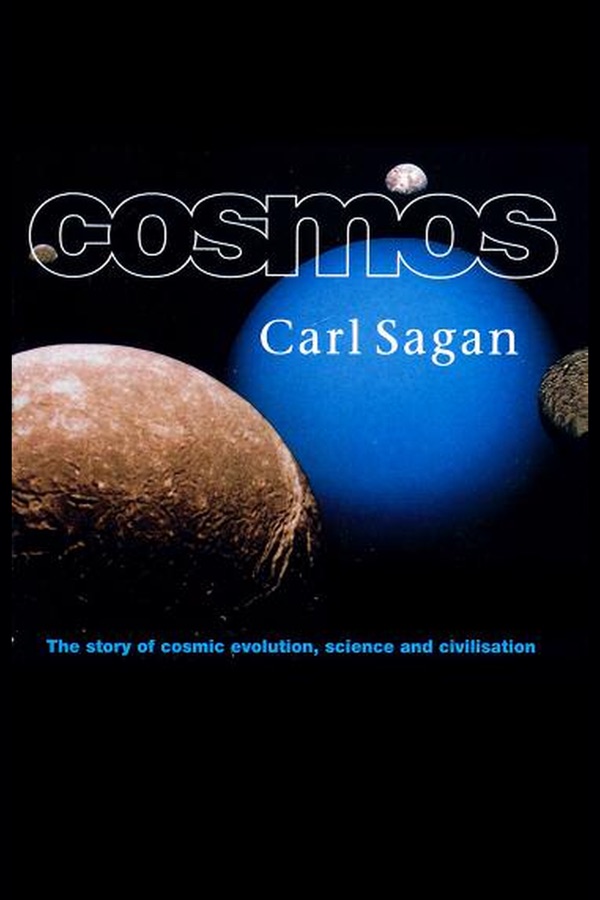 CosmosCarl Sagan
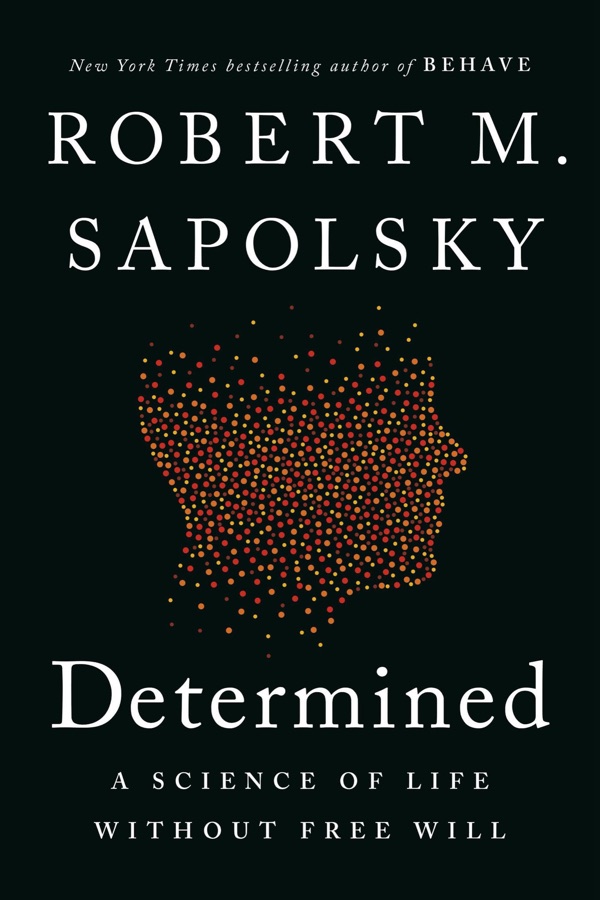 DeterminedRobert M. Sapolsky
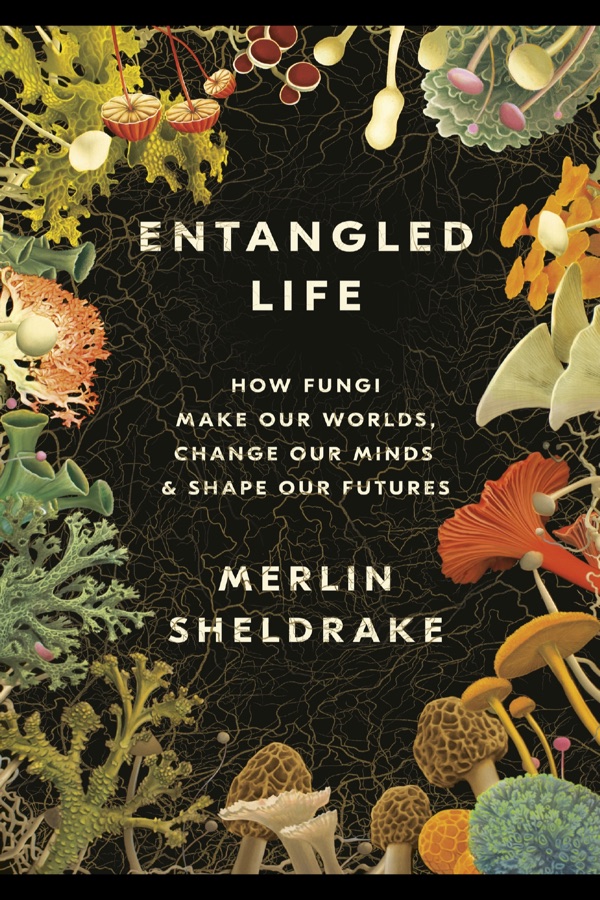 Entangled LifeMerlin Sheldrake
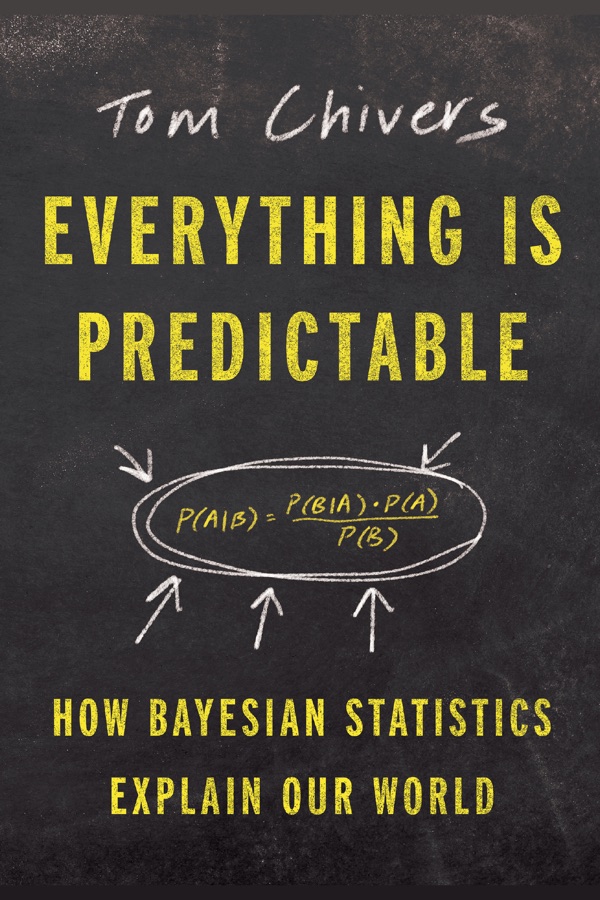 Everything Is PredictableTom Chivers