Knowingo
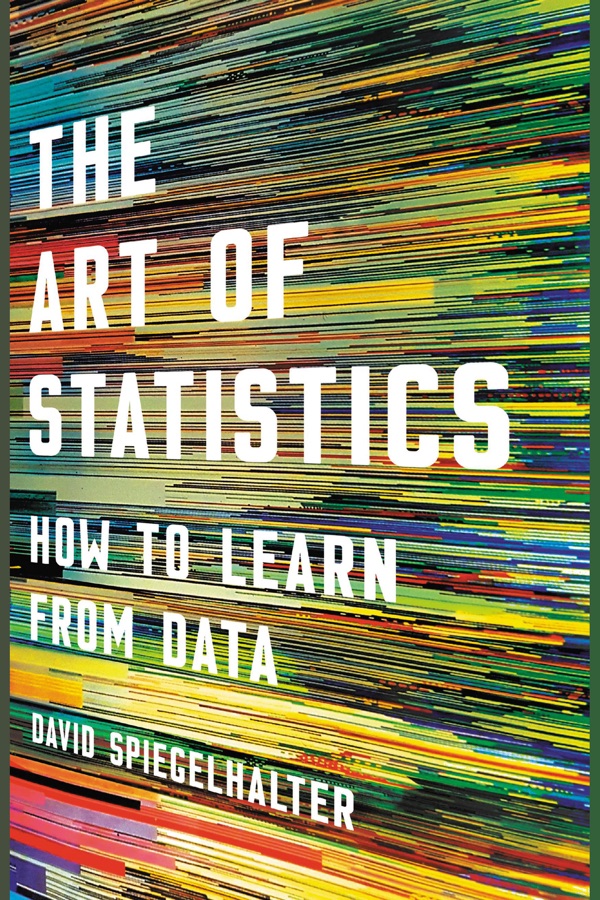
The cover of The Art of Statistics: How to Learn From Data

The Art of Statistics: How to Learn From Data

Learn how definitions, sampling, uncertainty, models, and incentives shape statistical claims, and how to judge numbers without confusing precision with truth.

14 parts, about 24 minutes to read.

Why read it

  • Learn why precise looking numbers can mislead when definitions, samples, or incentives are weak
  • See how uncertainty, causation, prediction, and statistical testing work through memorable real cases
  • Build a practical habit of checking sources, assumptions, effect sizes, and alternative explanations

Who it is for

  • Readers who want to judge data claims confidently
  • Professionals who communicate evidence and uncertainty
  • Students seeking intuitive foundations for statistical reasoning

What the summary covers

  1. Why we need statistics2 min
  2. Categorical data and percentages2 min
  3. From a sample to a population2 min
  4. What causes what?2 min
  5. Modelling relationships1 min
  6. Algorithms and prediction2 min
  7. Estimates need uncertainty1 min
  8. Conditional probability1 min
  9. Natural variation1 min
  10. Tests are checks of compatibility3 min
  11. Learning with prior knowledge2 min
  12. How statistical practice goes wrong2 min
  13. Better production, communication, and scrutiny2 min
  14. A disciplined statistical practice1 min

Recommended by

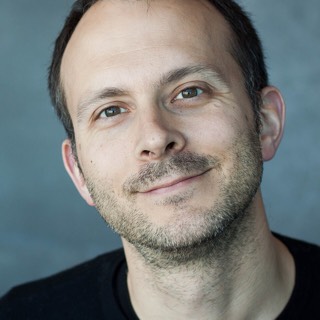
  • Tim HarfordFinancial Times columnist, BBC broadcaster and author
    This marvellous book will transform your relationship with the numbers that swirl all around us. Read it and learn.
  • Hannah FryCambridge professor of the public understanding of mathematics
    Important and comprehensive

About the author

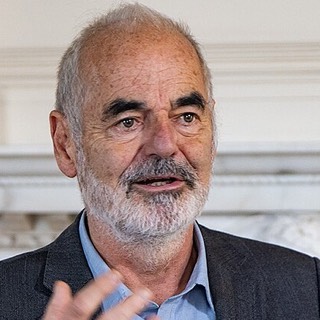
  • David SpiegelhalterCambridge emeritus professor of statistics and risk communication scholar
    • Born on 16 August 1953 and educated at Barnstaple Grammar School in Devon from 1963 to 1970.
    • Joined the Medical Research Council Biostatistics Unit at Cambridge in 1981 and became Winton Professor of Public Understanding of Risk in 2007.
    • Played a leading role in the Bristol Royal Infirmary and Harold Shipman public inquiries.
    • Was elected Fellow of the Royal Society in 2005, received an OBE in 2006, and was knighted in 2014 for services to medical statistics.
    • Chaired Cambridge's Winton Centre for Risk and Evidence Communication, which sought to improve how statistical evidence is used across medicine, law, media, and policy.

More books like this