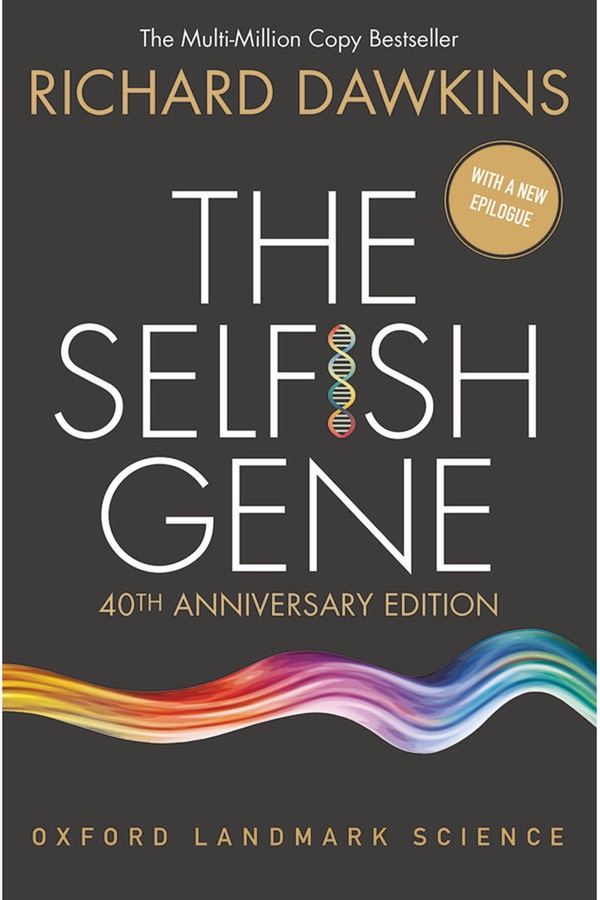
The Selfish Gene
A gene's eye view of evolution: bodies as survival machines for genes, explaining kin altruism, family conflict, cooperation through reciprocity, and culture's own replicator, the meme.
16 parts, about 33 minutes to read.


A gene's eye view of evolution: bodies as survival machines for genes, explaining kin altruism, family conflict, cooperation through reciprocity, and culture's own replicator, the meme.
16 parts, about 33 minutes to read.

From the moment of its publication 40 years ago, it has been a sparkling best-seller and a scientific game-changer.

Dawkins argues that individual selection decisively beats group selection and that children must be taught altruism; Haidt argues that groups of altruists beat groups of selfish individuals, shaping human groupishness.
Dawkins describes genetic conflict over parental investment. Sulloway proposes that this conflict may encourage siblings to seek different family roles, while treating that explanation as a hypothesis.
 A Brief History of TimeStephen Hawking
 A Short History of Nearly EverythingBill Bryson
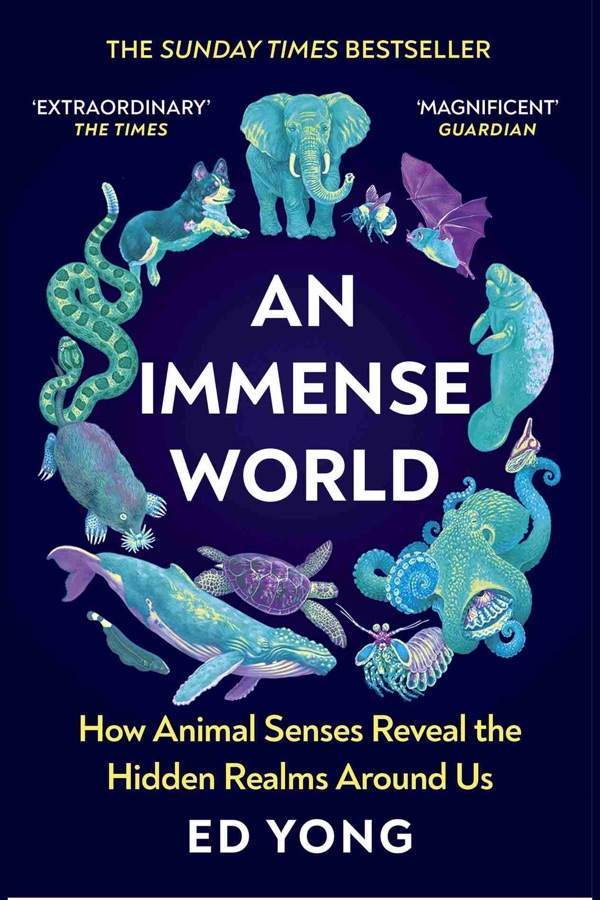 An Immense WorldEd Yong
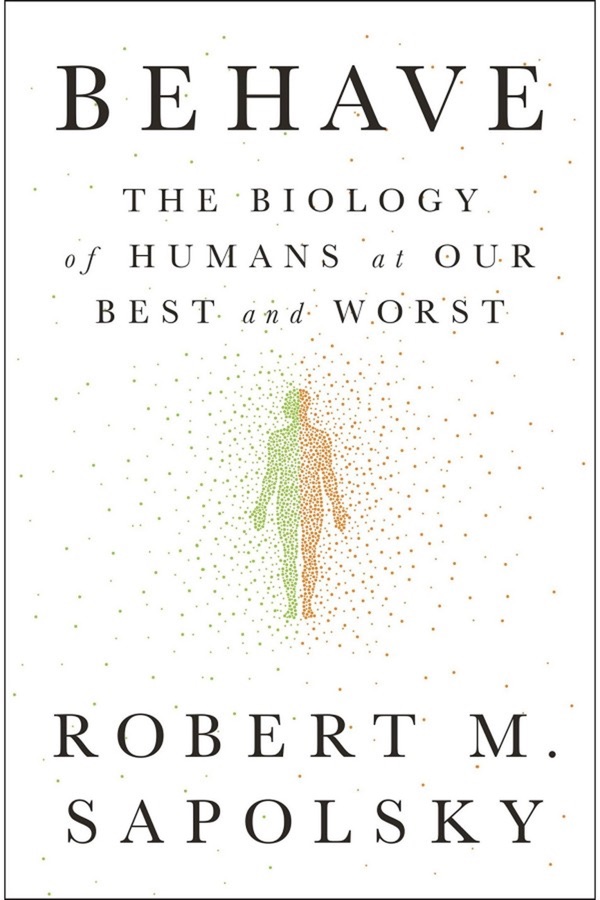 BehaveRobert M. Sapolsky
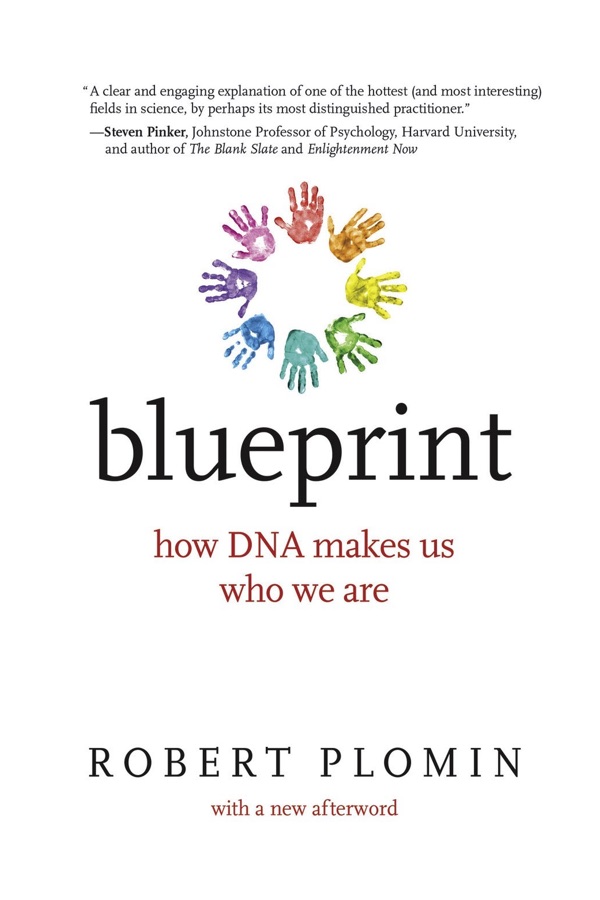 BlueprintRobert Plomin
 Braiding SweetgrassRobin Wall Kimmerer
 BurnHerman Pontzer
 Calling BullshitCarl T. Bergstrom, Jevin D. West
 CosmosCarl Sagan
 DeterminedRobert M. Sapolsky
 Entangled LifeMerlin Sheldrake
 Everything Is PredictableTom Chivers