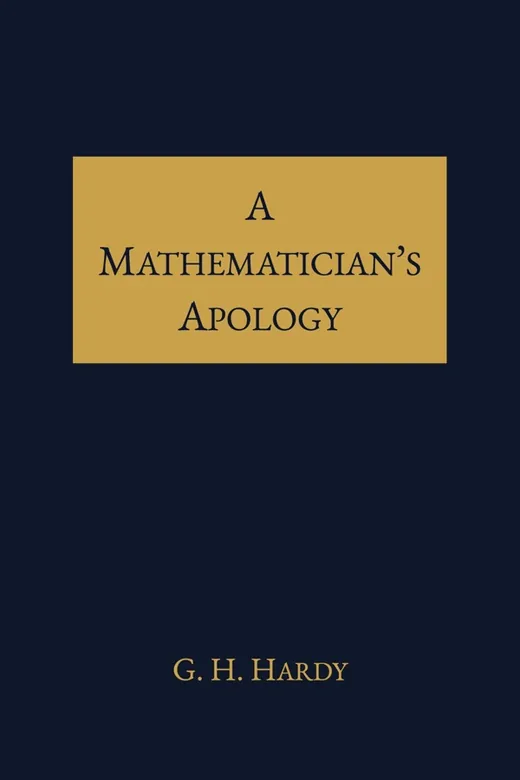
A Mathematician’s Apology
In his own voice, Hardy defends mathematics as a creative art and weighs beauty, permanence, practical use, and the value of his life’s work.
29 parts, about 30 minutes to read.


In his own voice, Hardy defends mathematics as a creative art and weighs beauty, permanence, practical use, and the value of his life’s work.
29 parts, about 30 minutes to read.
Hardy's most provocative claim is that the finest mathematics is valuable partly because it is useless and therefore innocent of practical harm. He contrasts durable pure mathematics with work designed for immediate application and writes before later uses made number theory central to cryptography and computing. A common objection is that no mathematician can guarantee that an abstract result will remain unused or morally harmless. Snow's foreword addresses this irony by noting later military applications of mathematics and by placing Hardy's claims in their wartime and personal setting. Hardy himself does not fully answer the future application problem because his defense depends on the examples and expectations available in 1940. The argument survives more convincingly as a statement about beauty, seriousness, and motives for research than as a reliable boundary between pure knowledge and worldly consequence.
 A Beautiful MindNasar, Sylvia
 A Beautiful QuestionFrank Wilczek
 A Brief History of TimeStephen Hawking
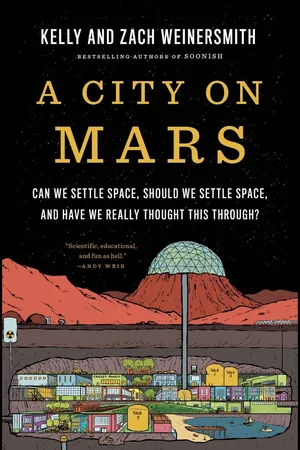 A City on MarsKelly Weinersmith, Zach Weinersmith
 A Short History of Nearly EverythingBill Bryson
 A Universe From Nothing · Why There Is Something Rather Than NothingKrauss, Lawrence M.
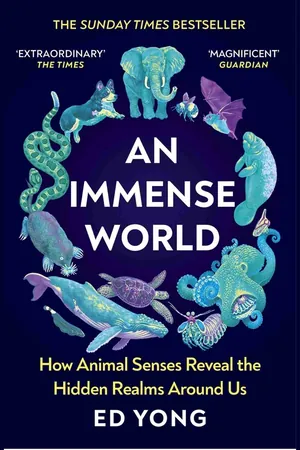 An Immense WorldEd Yong
 BehaveRobert M. Sapolsky
 Black Hole Blues and Other Songs from Outer SpaceLevin, Janna
 BlueprintRobert Plomin
 Braiding SweetgrassRobin Wall Kimmerer
 BurnHerman Pontzer