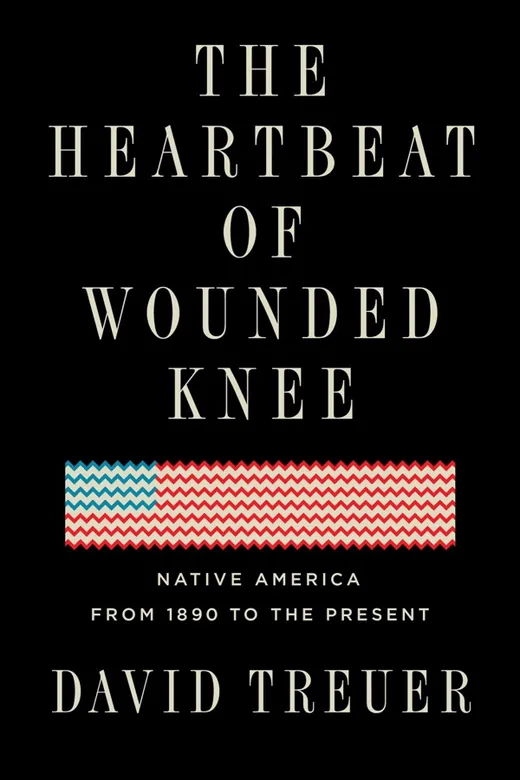
The cover of The Heartbeat of Wounded Knee

The Heartbeat of Wounded Knee

What have Native Americans done, built and lived through since Wounded Knee, when the usual story is only of death?

At a glance

Author
David Treuer

Why read it

  • You will stop seeing Native American history as only a story of loss that ended at Wounded Knee
  • You will understand why Wounded Knee came to stand for an end and a beginning in the American imagination
  • You will learn how boarding schools, allotment and termination tried to erase tribes, and how tribes pushed back

Who it is for

  • A reader who knows Native history only through Wounded Knee
  • A student of American history wanting Native voices at the center
  • A teacher building a unit on tribes since the nineteenth century

Contents

  1. ix
  2. Prologue
  3. PART 1
  4. Narrating the Apocalypse: 10,000 BCE–1890
  5. Meetings and Beginnings
  6. Early Tribes and Homelands
  7. The Southeast
  8. The Seminole Wars
  9. The Northeast
  10. The Great Lakes and Ohio River Valley
  11. The Southwest
  12. California
  13. The Pacific Northwest and Columbian Plateau
  14. The Great Basin
  15. The Southern Great Plains: Texas and Oklahoma
  16. The Northern Plains
  17. PART 2
  18. Purgatory: 1891–1934
  19. The End of the Treaty Era and the Rise of the Bureau
  20. Chief Joseph and Chief Standing Bear
  21. The Beginnings of the Indian Rights Movement
  22. The Indian Boarding Schools
  23. Allotment
  24. Indian Offenses
  25. The Seeds of Tribal Resistance
  26. PART 3
  27. Fighting Life: 1914–1945
  28. The Meriam Report
  29. Emergence of Tribal Governments
  30. John Collier and the Indian Reorganization Act
  31. War and Migration
  32. Entering the Cage
  33. PART 4
  34. Moving On Up—Termination and Relocation: 1945–1970
  35. Migration
  36. The Kansas Act
  37. Termination
  38. The Indian Claims Commission
  39. Relocation
  40. PART 5
  41. Becoming Indian: 1970–1990
  42. The Rise of Red Power
  43. National Indian Youth Council and Red Power
  44. Panthers and Red Power
  45. The Rise of the American Indian Movement
  46. AIM at Pine Ridge
  47. War on Poverty
  48. The Indian Education Act and the Indian Religious Freedom Act
  49. Jumping Bull
  50. Anna Mae Aquash
  51. PART 6
  52. Boom City—Tribal Capitalism in the Twenty-first Century
  53. Blood Quantum and Disenrollment
  54. PART 7
  55. Digital Indians: 1990–2018
  56. Epilogue
  57. A Note on Sources

More books like this