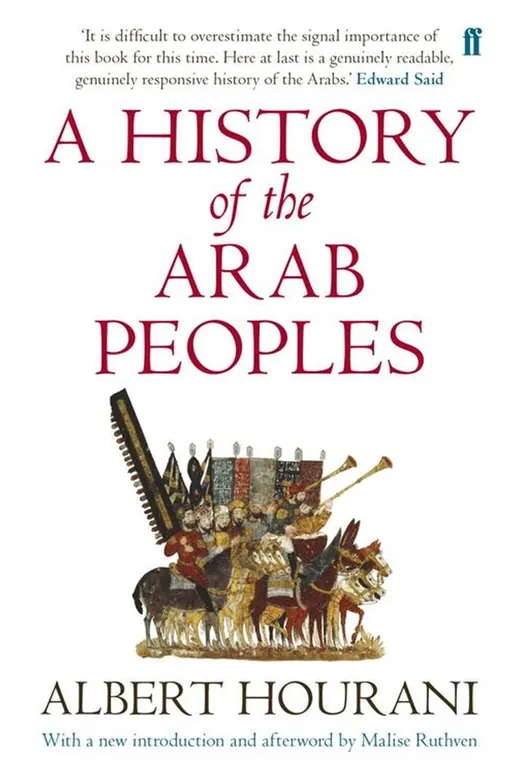
A History of the Arab Peoples
What is the shared story of the Arabic speaking world, from the rise of Islam to today?
 Knowingo
What is the shared story of the Arabic speaking world, from the rise of Islam to today?
Hourani's broadest and most debatable choice is to write a history of Arab peoples as a connected subject across many regions, religions, states, and centuries. A common objection is that this frame can turn a shared language and selected experiences into a unity stronger than the lives of Egyptians, Iraqis, Syrians, Maghribis, Christians, Muslims, Jews, nomads, villagers, and city dwellers actually possessed. Hourani answers through structure rather than a single declaration: he follows institutions and languages that crossed borders while repeatedly showing regional variation and changing centers of power. He also distinguishes Arab identity from Islam and treats both as historical formations rather than timeless essences. The frame is useful because circulation, empire, scholarship, trade, and modern nationalism did create connected fields. It remains contestable because any history at this scale must decide when common vocabulary illuminates difference and when it conceals it.
 1177 B.C.Eric H. Cline
 1812: Napoleon’s Fatal March on MoscowAdam Zamoyski
 1929Andrew Ross Sorkin
 A History of WarfareJohn Keegan
 A Midwife's Tale: The Life of Martha Ballard, Based on Her Diary, 1785–1812Laurel Thatcher Ulrich
 A Patriot's History of the United States: From Columbus's Great Discovery to the War on TerrorLarry Schweikart, Michael Patrick Allen
 A People's Tragedy: The Russian Revolution 1891–1924Orlando Figes
 A Problem From Hell: America and the Age of GenocideSamantha Power
 A River Running West: The Life of John Wesley PowellDonald Worster
 A Rumor of WarPhilip Caputo
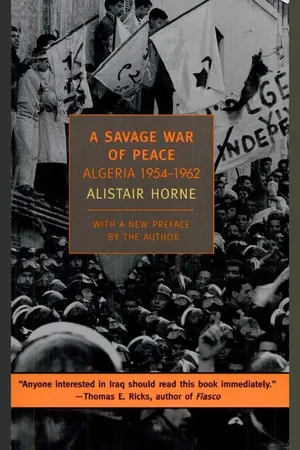 A Savage War of Peace: Algeria 1954–1962Alistair Horne
 A secret history of the IRAEd Moloney