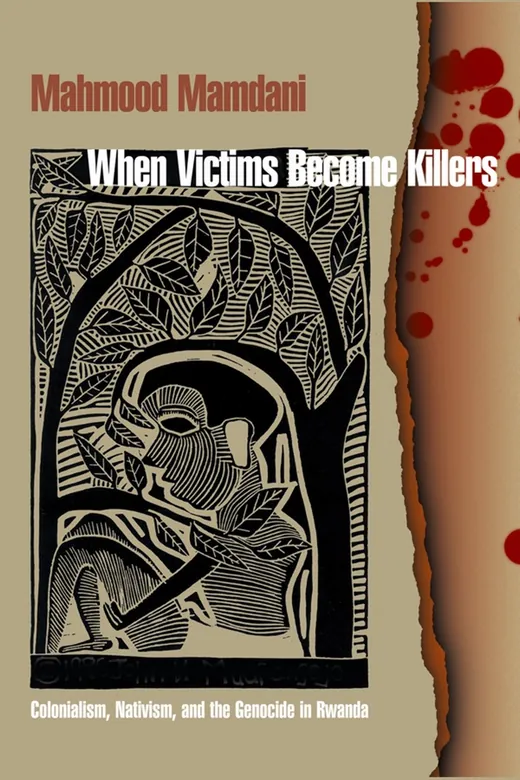
When Victims Become Killers : Colonialism, Nativism, and the Genocide in Rwanda
Are Hutu and Tutsi old tribal enemies, or political identities shaped by colonial rule and later politics?
 Knowingo
Are Hutu and Tutsi old tribal enemies, or political identities shaped by colonial rule and later politics?
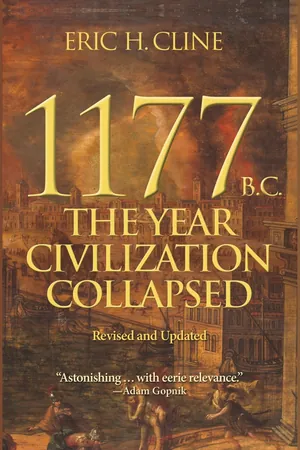 1177 B.C.Eric H. Cline
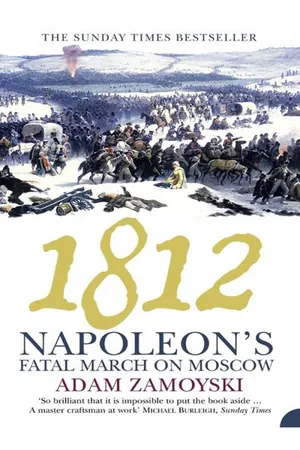 1812: Napoleon’s Fatal March on MoscowAdam Zamoyski
 1929Andrew Ross Sorkin
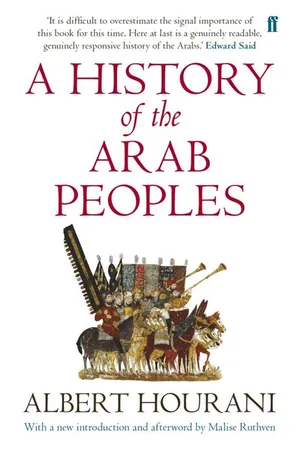 A History of the Arab PeoplesAlbert Hourani
 A History of WarfareJohn Keegan
 A Midwife's Tale: The Life of Martha Ballard, Based on Her Diary, 1785–1812Laurel Thatcher Ulrich
 A Patriot's History of the United States: From Columbus's Great Discovery to the War on TerrorLarry Schweikart, Michael Patrick Allen
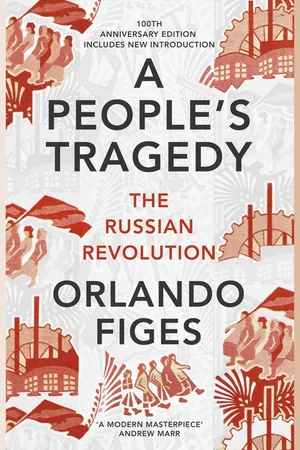 A People's Tragedy: The Russian Revolution 1891–1924Orlando Figes
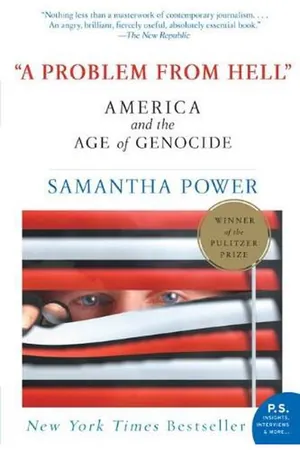 A Problem From Hell: America and the Age of GenocideSamantha Power
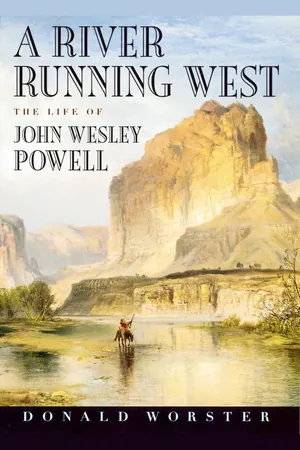 A River Running West: The Life of John Wesley PowellDonald Worster
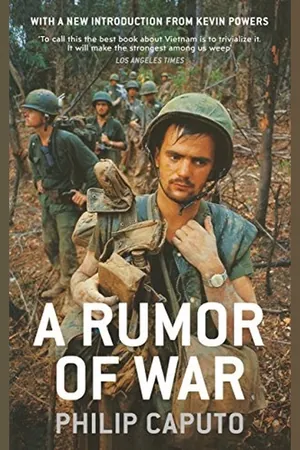 A Rumor of WarPhilip Caputo
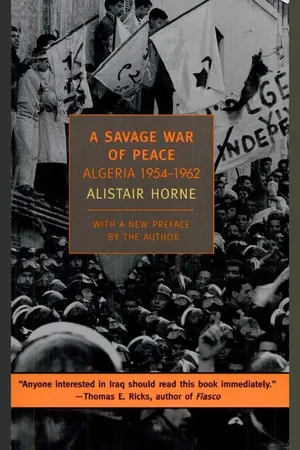 A Savage War of Peace: Algeria 1954–1962Alistair Horne