
$2.00 a Day: Living on Almost Nothing in America
Edin and Shaefer trace how families with children survive on almost no cash amid unstable work, scarce housing, and a safety net tied to employment.
7 parts, about 20 minutes to read.


Edin and Shaefer trace how families with children survive on almost no cash amid unstable work, scarce housing, and a safety net tied to employment.
7 parts, about 20 minutes to read.
The book's most contested move is to treat two dollars per person per day in cash as a meaningful measure of extreme poverty in the United States. A common objection is that the measure omits food benefits, housing assistance, tax credits, informal earnings, and other resources, so it can make deprivation look more absolute than it is. Edin and Shaefer address this directly by recalculating their survey estimates after adding food benefits, tax credits, and housing subsidies. The resulting counts fall, but the increase over time remains, which is why they retain cash scarcity as the problem they want to examine. They also acknowledge that households can underreport informal income and use fieldwork to test what the survey pattern looks like in daily life. Their answer therefore supports a narrower claim than the headline sometimes suggests: the book documents a growing lack of spendable cash, not the total absence of every form of aid or exchange.
Edin and Shaefer show how low incomes and limited housing aid undermine stable homes; Desmond adds that landlords can use eviction records to screen applicants, turning a past housing loss into a barrier to the next home.
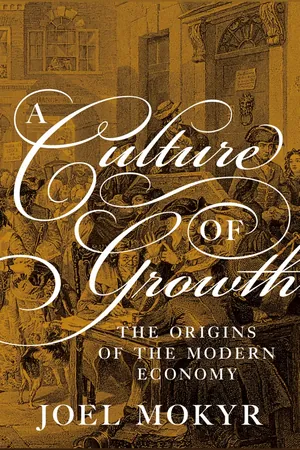 A Culture of Growth: The Origins of the Modern EconomyJoel Mokyr
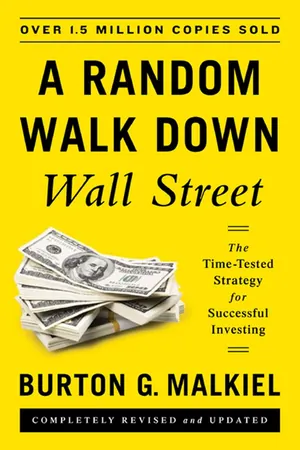 A Random Walk Down Wall StreetBurton G. Malkiel
 All the Devils Are HereBethany McLean, Joe Nocera
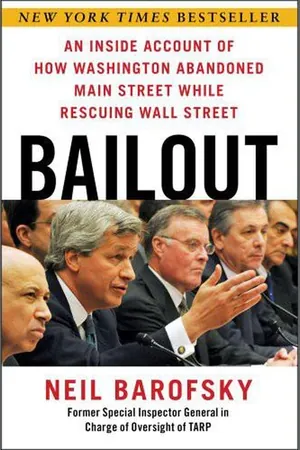 Bailout: An Inside Account of How Washington Abandoned Main Street While Rescuing Wall StreetNeil Barofsky
 Capital in the Twenty First CenturyThomas Piketty
 Capitalism and Its CriticsJohn Cassidy
 Capitalism, Socialism and DemocracyJoseph A. Schumpeter
 Career and FamilyClaudia Goldin
 China Shakes the World: A Titan's Rise and Troubled Future and the Challenge for AmericaJames Kynge
 Dark Pools: The Rise of the Machine Traders and the Rigging of the U.S. Stock MarketScott Patterson
 Dead Aid: Why Aid Is Not Working and How There Is a Better Way for AfricaDambisa Moyo
 Debt: The First 5,000 YearsDavid Graeber