The Truly Disadvantaged: The Inner City, the Underclass, and Public Policy, Second Edition
Why did poverty and joblessness deepen in America's inner cities, and what public policy could help the truly disadvantaged?
 Knowingo
Why did poverty and joblessness deepen in America's inner cities, and what public policy could help the truly disadvantaged?
 A Civil ActionJonathan Harr
 A Higher LoyaltyComey, James
 A Matter of Interpretation: Federal Courts and the LawAntonin Scalia, Amy Gutmann
 A Very Stable GeniusPhilip Rucker, Carol Leonnig
 AbundanceEzra Klein, Derek Thompson
 Affairs of Honor: National Politics in the New RepublicJoanne B. Freeman
 Affluence and Influence: Economic Inequality and Political Power in AmericaMartin Gilens
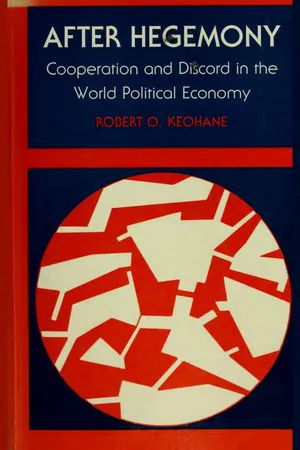 After Hegemony: Cooperation and Discord in the World Political EconomyRobert O. Keohane
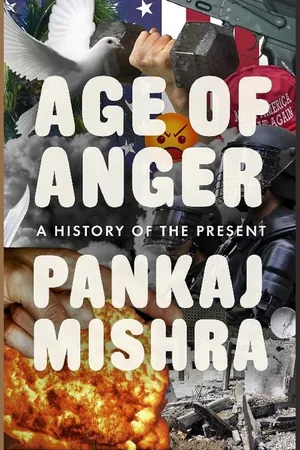 Age of AngerPankaj Mishra
 Ain’t I a Womanbell hooks
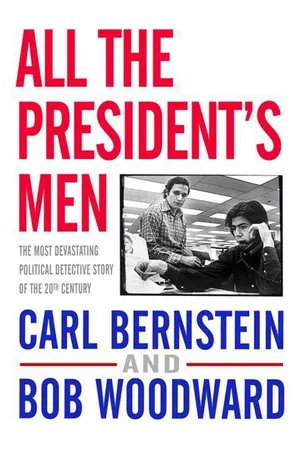 All the President’s MenBob Woodward, Carl Bernstein
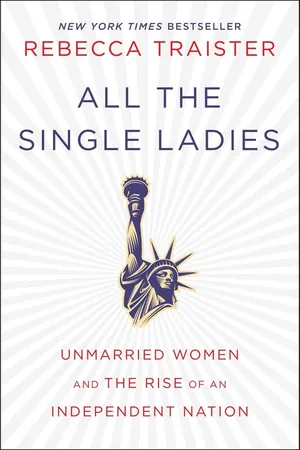 All the Single Ladies: Unmarried Women and the Rise of an Independent NationTraister, Rebecca