A Civil Action
Does justice prevail if a lawyer works hard enough, when families take large companies to trial?
 Knowingo
Does justice prevail if a lawyer works hard enough, when families take large companies to trial?
Harr's account raises a difficult question about whether civil litigation is a reliable way to discover scientific truth. The Woburn families seek an explanation for illness, while the legal process demands admissible evidence, named defendants, deadlines, strategic choices, and a verdict framed by specific questions. A common objection is that the case's emotional force can make the suspected contamination seem more conclusively proven than the trial established. Harr preserves that uncertainty by showing disputes over hydrogeology, exposure, medical causation, witness memory, and the judge's division of the trial. He also shows that settlement value depends on cost and risk, not only on an agreed account of what happened. The book therefore supports the families' search and documents serious contamination evidence without turning a civil case into a controlled scientific experiment or a final verdict on every claimed causal link.
 A Higher LoyaltyComey, James
 A Matter of Interpretation: Federal Courts and the LawAntonin Scalia, Amy Gutmann
 A Very Stable GeniusPhilip Rucker, Carol Leonnig
 AbundanceEzra Klein, Derek Thompson
 Affairs of Honor: National Politics in the New RepublicJoanne B. Freeman
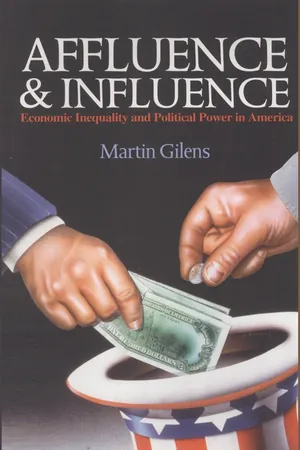 Affluence and Influence: Economic Inequality and Political Power in AmericaMartin Gilens
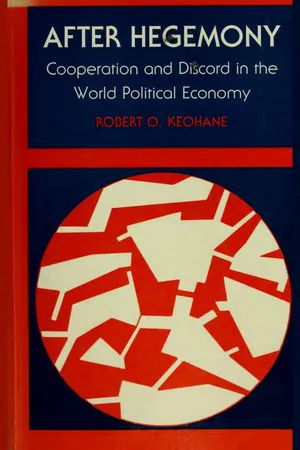 After Hegemony: Cooperation and Discord in the World Political EconomyRobert O. Keohane
 Age of AngerPankaj Mishra
 Ain’t I a Womanbell hooks
 All the President’s MenBob Woodward, Carl Bernstein
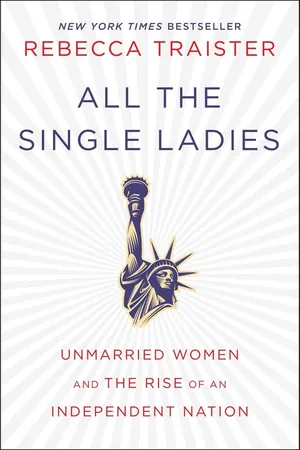 All the Single Ladies: Unmarried Women and the Rise of an Independent NationTraister, Rebecca
 American Apartheid: Segregation and the Making of the UnderclassDouglas S. Massey, Nancy A. Denton