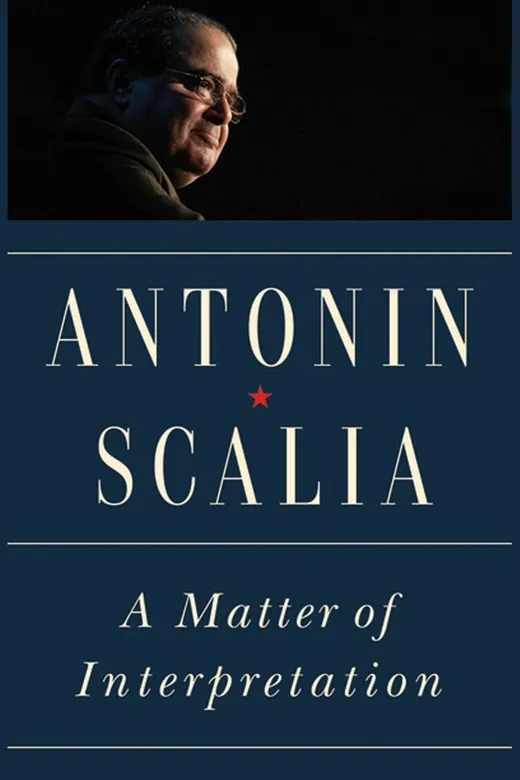
A Matter of Interpretation: Federal Courts and the Law
Read Scalia's case for textualism alongside four sharp critiques, his reply, and a later exchange over constitutional meaning.
8 parts, about 18 minutes to read.


Read Scalia's case for textualism alongside four sharp critiques, his reply, and a later exchange over constitutional meaning.
8 parts, about 18 minutes to read.
Scalia's central disputed claim is that textualism and original meaning constrain judges more legitimately than an evolving Constitution does. Ronald Dworkin and Laurence Tribe object in their responses that interpretation cannot escape moral judgment and that Scalia's account understates how abstract constitutional language acquires legal force. Scalia replies that disagreement and imperfect constraint do not justify handing judges authority to update the document according to their own values. He distinguishes public meaning from the private intentions of individual lawmakers and accepts that precedent complicates a perfectly originalist system. Mary Ann Glendon and Gordon Wood add historical and institutional questions rather than reducing the exchange to literal words versus free invention. The argument remains unresolved because both sides seek constraint, but they disagree over whether inherited meaning, moral principle, precedent, or democratic revision should carry the greatest authority when text does not decide a case alone.
Scalia fears judges choosing constitutional change; Lepore explains how polarization blocks the supermajorities needed for amendment and redirects reformers toward litigation.
 A Very Stable GeniusPhilip Rucker, Carol Leonnig
 AbundanceEzra Klein, Derek Thompson
 Age of AngerPankaj Mishra
 Ain’t I a Womanbell hooks
 All the President’s MenBob Woodward, Carl Bernstein
 Annihilation of CasteB. R. Ambedkar
 Arms and InfluenceThomas C. Schelling
 Autocracy, Inc.Anne Applebaum
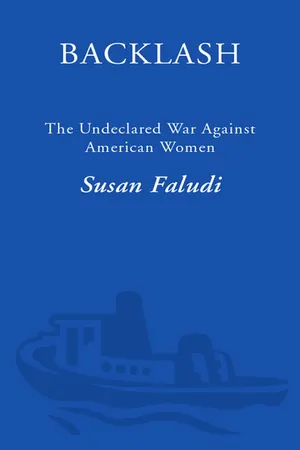 BacklashSusan Faludi
 BecomingMichelle Obama
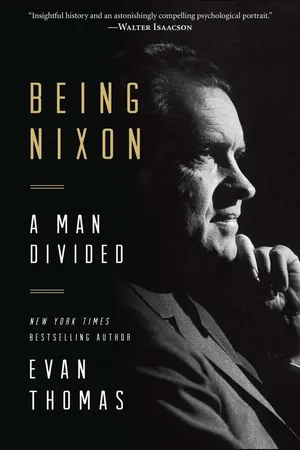 Being Nixon: A Man DividedEvan Thomas
 Betrayal: The Final Act of the Trump ShowJonathan Karl