Autocracy, Inc.
See how modern autocracies share money, technology, propaganda, and repression across borders, and what democracies can do to defend accountability and freedom.
7 parts, about 16 minutes to read.


See how modern autocracies share money, technology, propaganda, and repression across borders, and what democracies can do to defend accountability and freedom.
7 parts, about 16 minutes to read.

Anne Applebaum’s far-sighted book reveals an international network of autocrats who seek to subvert democracy

Anne Applebaum is one of the most insightful observers of dictatorship, autocracy, tyranny, authoritarianism and democracy in the world today.

Bold, powerful and important.

Applebaum says Western engagement assumed liberal ideas would flow outward, while Pei argues that in China the ruling elite's choices mattered more than structural change and growth strengthened the party.
 AbundanceEzra Klein, Derek Thompson
 BecomingMichelle Obama
 Between the World and MeTa Nehisi Coates
 Bowling Alone: The Collapse and Revival of American CommunityRobert D. Putnam
 Bullshit JobsDavid Graeber
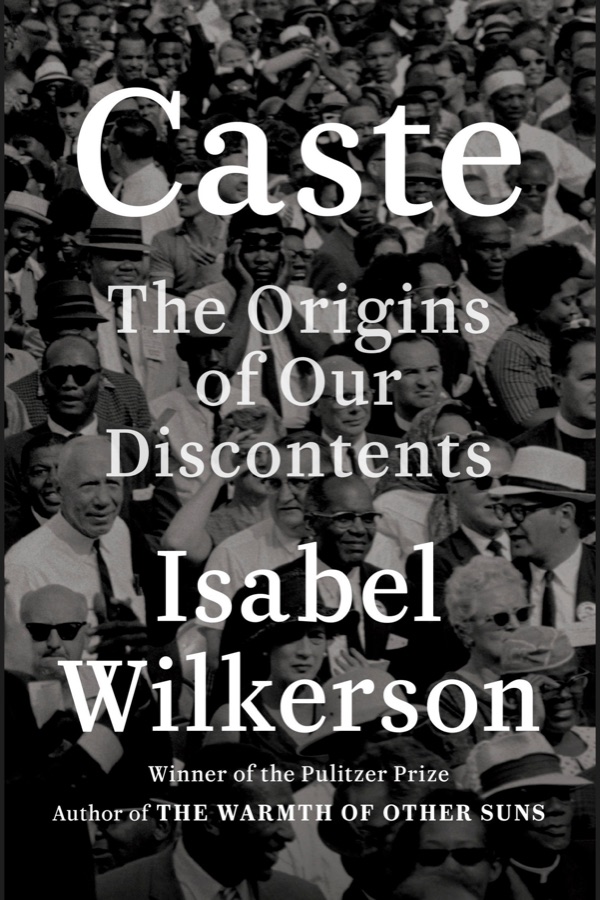 Caste: The Origins of Our DiscontentsIsabel Wilkerson
 Chasing the ScreamJohann Hari
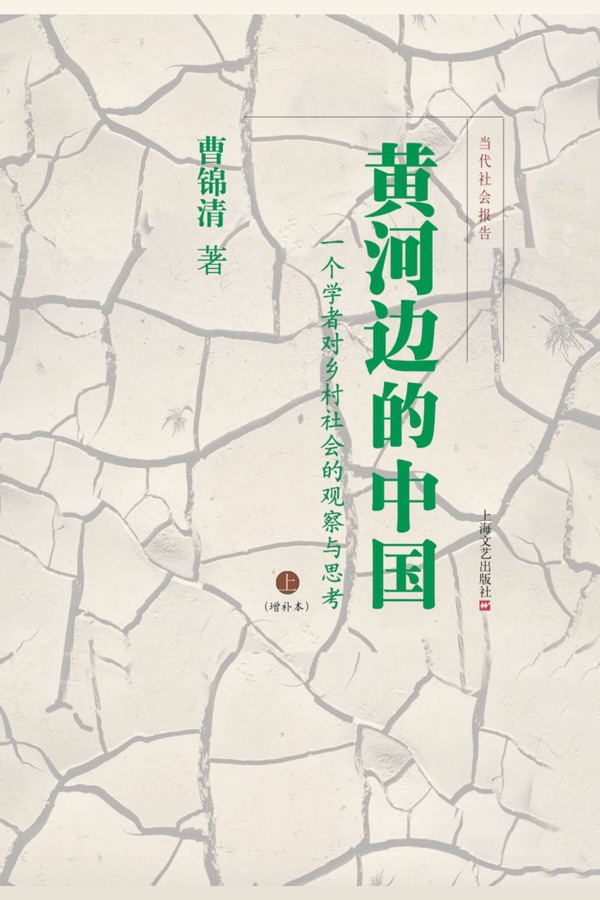 China Along the Yellow River: Reflections on Rural SocietyCao Jinqing
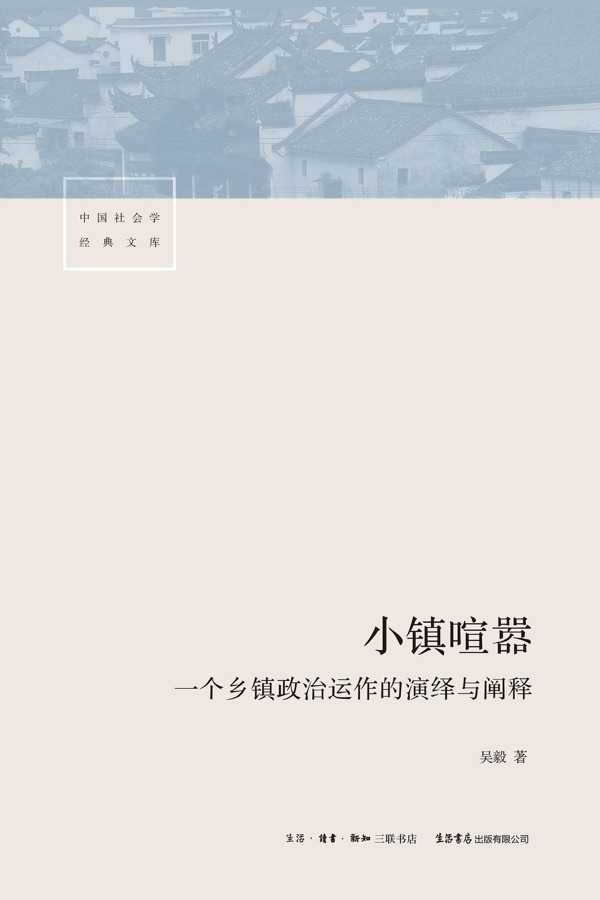 Clamor in a Small TownWu Yi
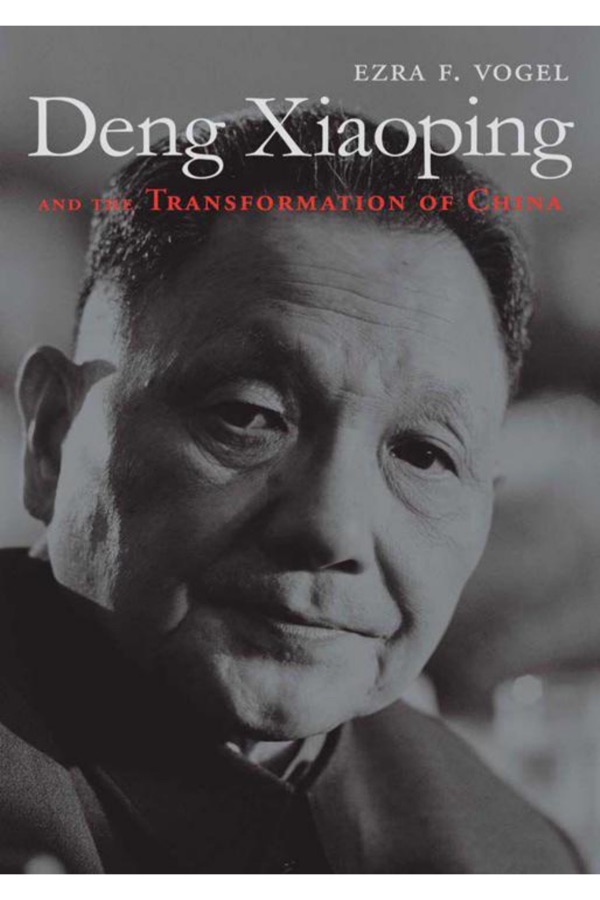 Deng Xiaoping and the Transformation of ChinaEzra F. Vogel
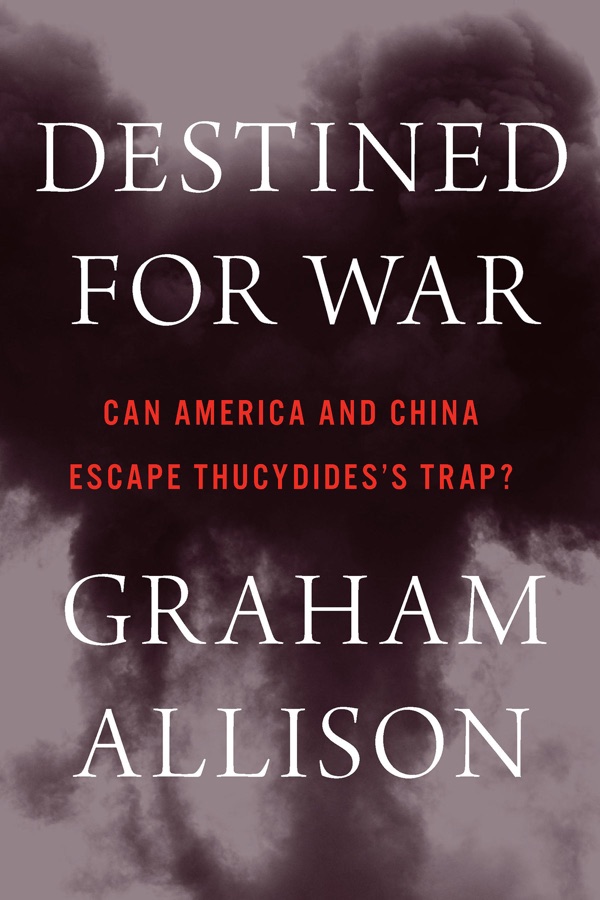 Destined for WarGraham Allison
 EvictedMatthew Desmond