Knowingo
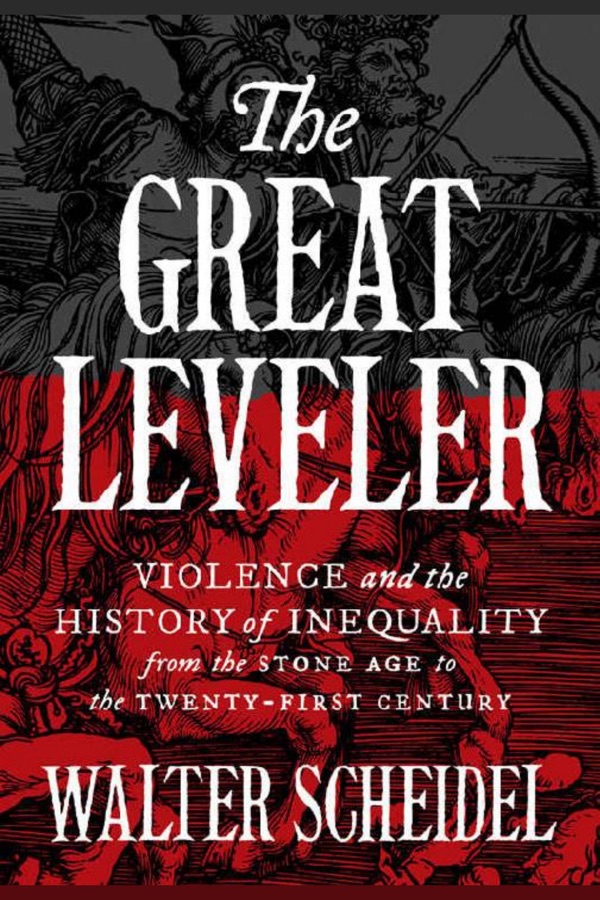
The cover of The Great Leveler

The Great Leveler

Throughout recorded history, only violent shocks have sharply reduced inequality. Walter Scheidel shows how war, revolution, state collapse and plague leveled wealth, and why peaceful fixes rarely matched them.

17 parts, about 40 minutes to read.
Why read it

  • Argues that across history, inequality fell sharply only through mass war, revolution, state collapse or plague
  • Helps you weigh today's proposed remedies for inequality against what has actually reduced it in the past
  • Spans the Stone Age to the present, testing peaceful paths such as land reform, democracy and education

Who it is for

  • Readers worried about widening inequality today
  • Policy thinkers weighing taxes and redistribution
  • History readers who like long, evidence heavy arguments

What the summary covers

  1. The challenge of inequality5 min
  2. The rise of inequality3 min
  3. Empires of inequality2 min
  4. Up and down2 min
  5. Total war: Japan2 min
  6. The Great Compression3 min
  7. War before the world wars2 min
  8. Communism2 min
  9. Before Lenin1 min
  10. State failure and systems collapse3 min
  11. The Black Death2 min
  12. Pandemics, famine, and war2 min
  13. Reform, recession, and representation2 min
  14. Economic development and education2 min
  15. What if?2 min
  16. In our time2 min
  17. What does the future hold?3 min

Recommended by

  • Gregory ClarkEconomic historian
    An astonishing tour de force.
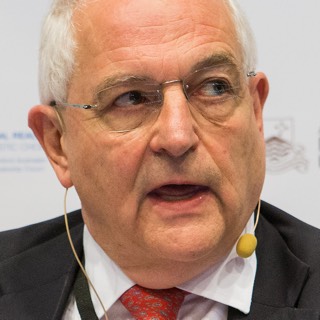
  • Martin WolfChief economics commentator at the Financial Times
    In this remarkable study, [Scheidel] argues that after agriculture (and the agrarian state) was invented, elites were amazingly successful in extracting all the surplus the economy created

About the author

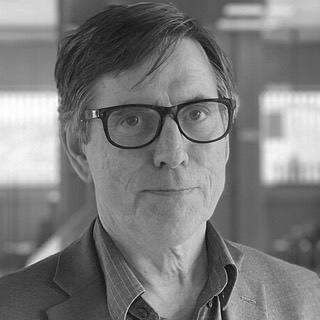
  • Walter ScheidelProfessor of ancient history at Stanford University
    • Born 9 July 1966; Austrian historian
    • Studied ancient history and numismatics at the University of Vienna, doctorate 1993
    • Finley Research Fellow in Ancient History at Darwin College, Cambridge, 1996 to 1999
    • Joined Stanford Classics in 2003, professor 2004, Dickason Professor in the Humanities 2008

Read it alongside

More books like this