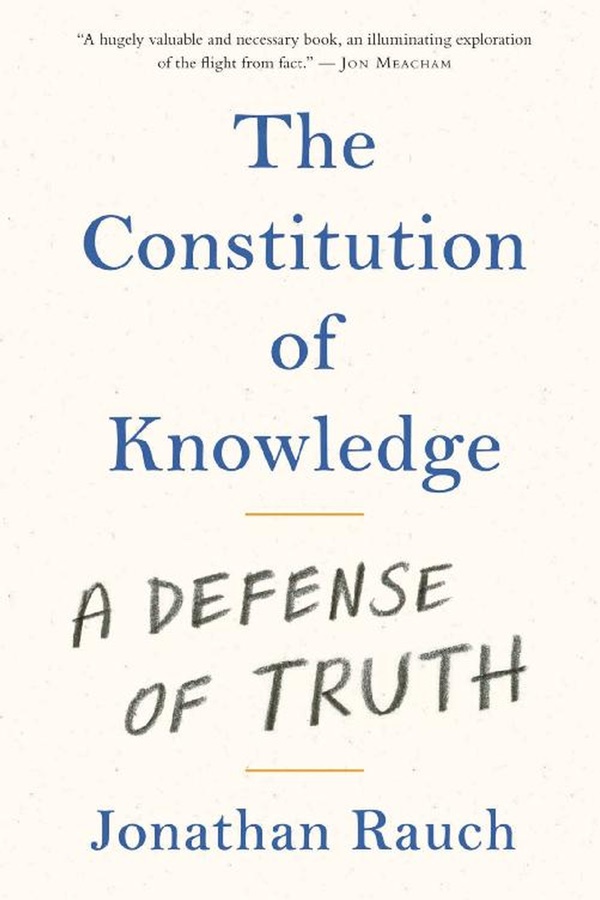
The Constitution of Knowledge
An institutional account of how societies turn disagreement into knowledge, why disinformation and coercive conformity corrode that process, and how open inquiry can defend itself.
8 parts, about 28 minutes to read.


An institutional account of how societies turn disagreement into knowledge, why disinformation and coercive conformity corrode that process, and how open inquiry can defend itself.
8 parts, about 28 minutes to read.

The ability to talk in good faith about a shared reality is a foundational element of civics that we didn’t know we had until we suddenly and surprisingly lost it. Jonathan Rauch explains how we got it in the first place and how we are now letting it slip away.

Thanks to a global epidemic of nihilistic trolling, manipulative disinformation, and addictive outrage, modern democracies are facing an existential challenge: it’s not merely that their citizens don’t agree on politics, they don’t agree on the nature of truth itself.

 AbundanceEzra Klein, Derek Thompson
 Autocracy, Inc.Anne Applebaum
 BecomingMichelle Obama
 Between the World and MeTa Nehisi Coates
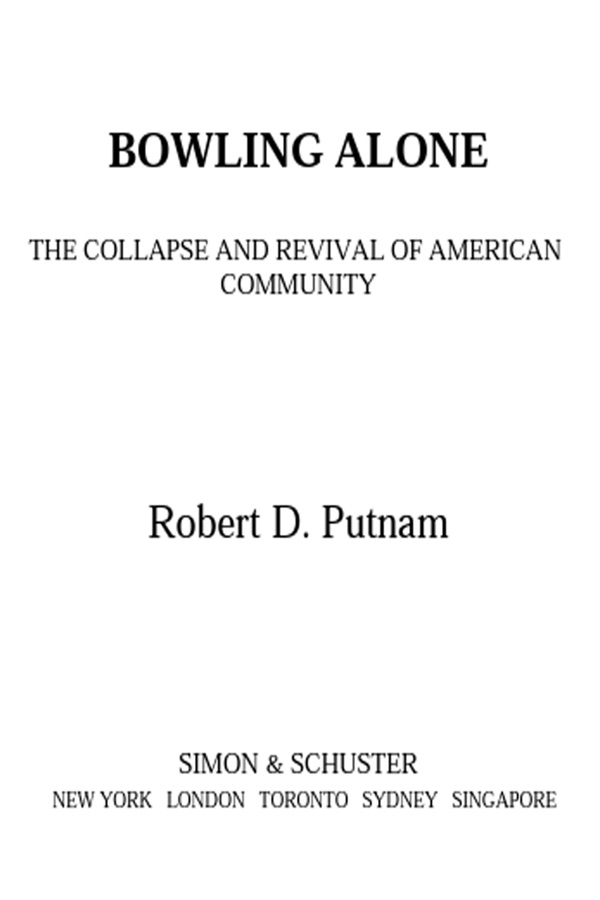 Bowling Alone: The Collapse and Revival of American CommunityRobert D. Putnam
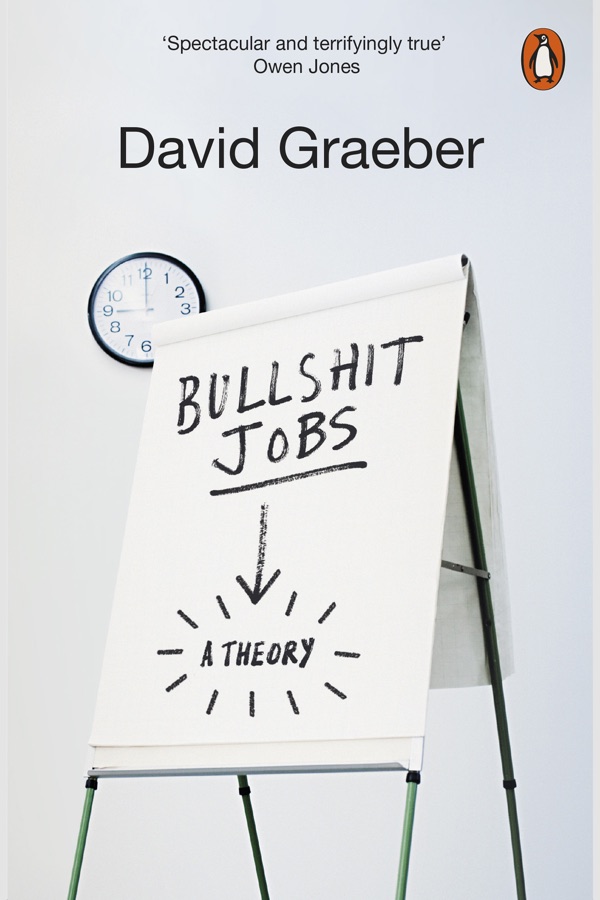 Bullshit JobsDavid Graeber
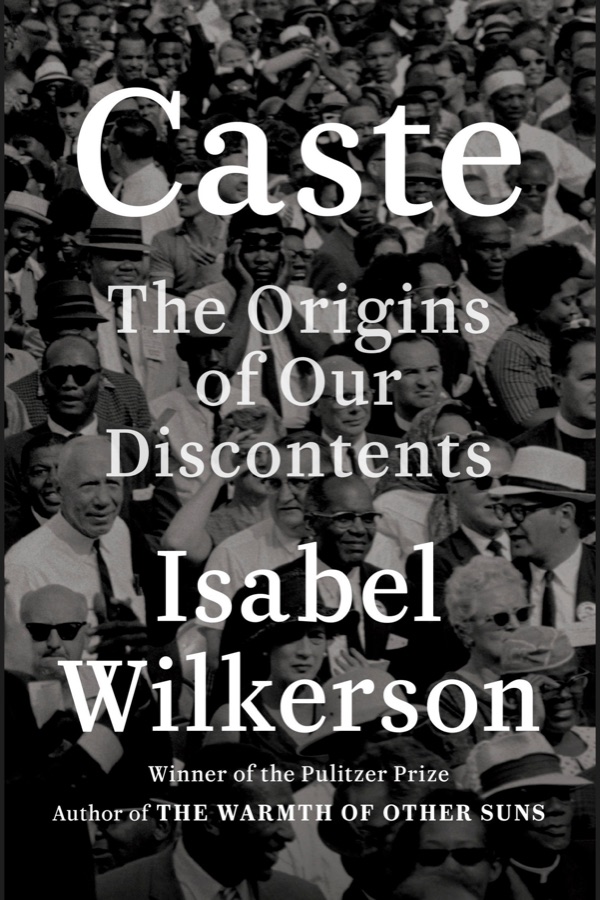 Caste: The Origins of Our DiscontentsIsabel Wilkerson
 Chasing the ScreamJohann Hari
 China Along the Yellow River: Reflections on Rural SocietyCao Jinqing
 Clamor in a Small TownWu Yi
 Deng Xiaoping and the Transformation of ChinaEzra F. Vogel
 Destined for WarGraham Allison