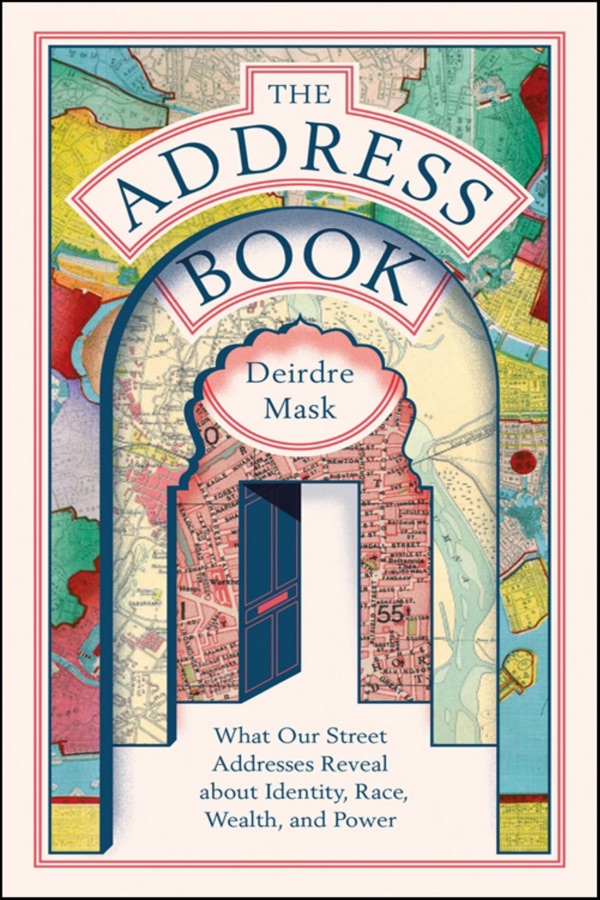
The Address Book
Discover how street addresses shape access, identity, memory, race, and wealth, while making people visible to both public services and systems of control.
7 parts, about 16 minutes to read.


Discover how street addresses shape access, identity, memory, race, and wealth, while making people visible to both public services and systems of control.
7 parts, about 16 minutes to read.
Deirdre Mask's book was just up my Strasse, alley, avenue and boulevard.

 AbundanceEzra Klein, Derek Thompson
 Autocracy, Inc.Anne Applebaum
 BecomingMichelle Obama
 Between the World and MeTa Nehisi Coates
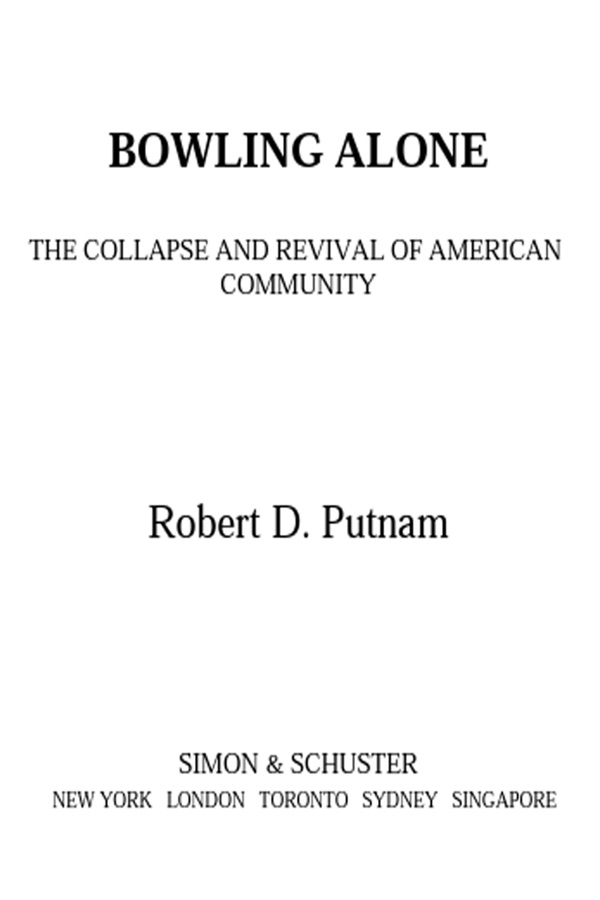 Bowling Alone: The Collapse and Revival of American CommunityRobert D. Putnam
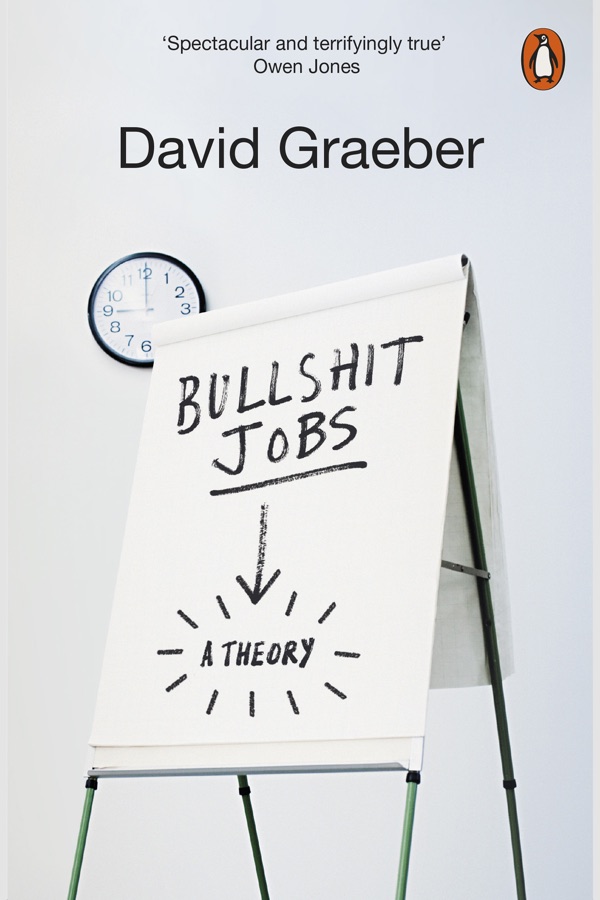 Bullshit JobsDavid Graeber
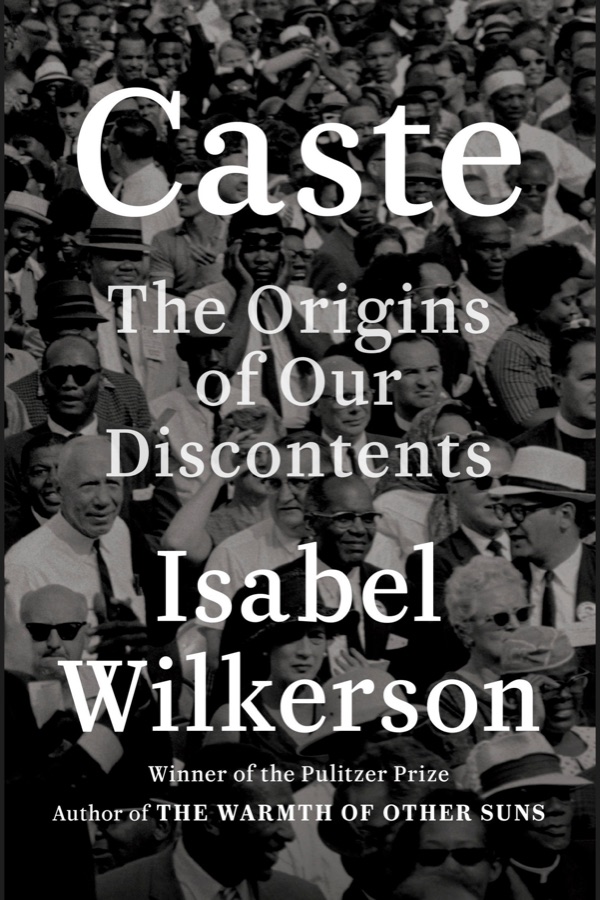 Caste: The Origins of Our DiscontentsIsabel Wilkerson
 Chasing the ScreamJohann Hari
 China Along the Yellow River: Reflections on Rural SocietyCao Jinqing
 Clamor in a Small TownWu Yi
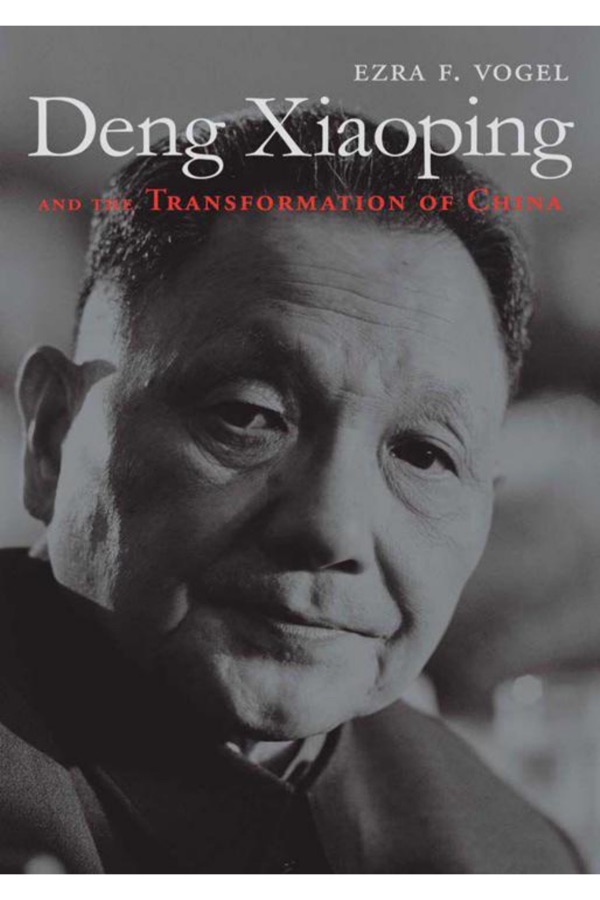 Deng Xiaoping and the Transformation of ChinaEzra F. Vogel
 Destined for WarGraham Allison