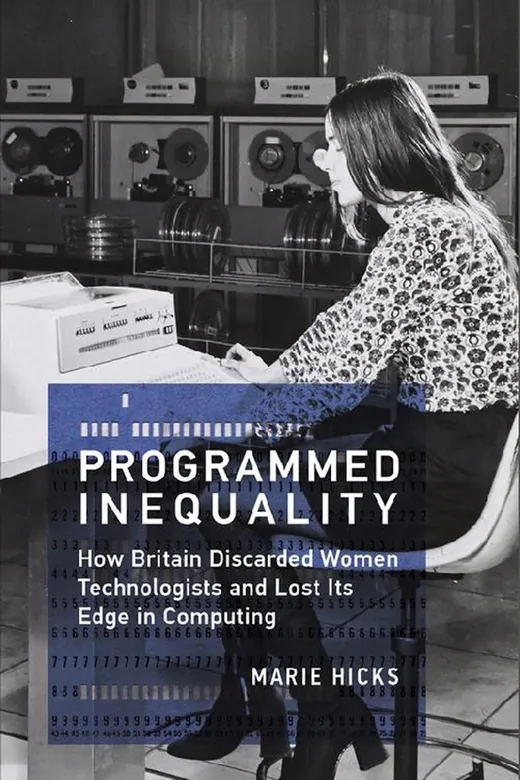
Programmed Inequality: How Britain Discarded Women Technologists and Lost Its Edge in Computing
Why and how did men displace the women who once made up most of Britain's computing workforce, and what did the country lose?
 Knowingo
Why and how did men displace the women who once made up most of Britain's computing workforce, and what did the country lose?
 A Human's Guide to Machine IntelligenceKartik Hosanagar
 Abundance: The Future Is Better Than You ThinkPeter H. Diamandis, Steven Kotler
 AI SuperpowersKai Fu Lee
 Alan Turing: The Enigma The Centenary EditionHodges, Andrew
 AppleDavid Pogue
 Big Data: A Revolution That Will Transform How We Live, Work, and ThinkViktor Mayer Schönberger, Kenneth Cukier
 Blockchain Revolution: How the Technology Behind Bitcoin Is Changing Money, Business, and the WorldDon Tapscott, Alex Tapscott
 BreakneckDan Wang
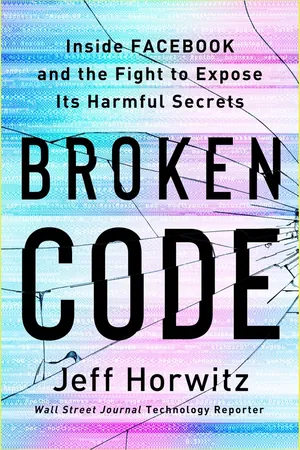 Broken Code: Inside Facebook and the Fight to Expose Its Harmful SecretsJeff Horwitz
 Burn BookKara Swisher
 Character LimitKate Conger, Ryan Mac
 Chip WarChris Miller