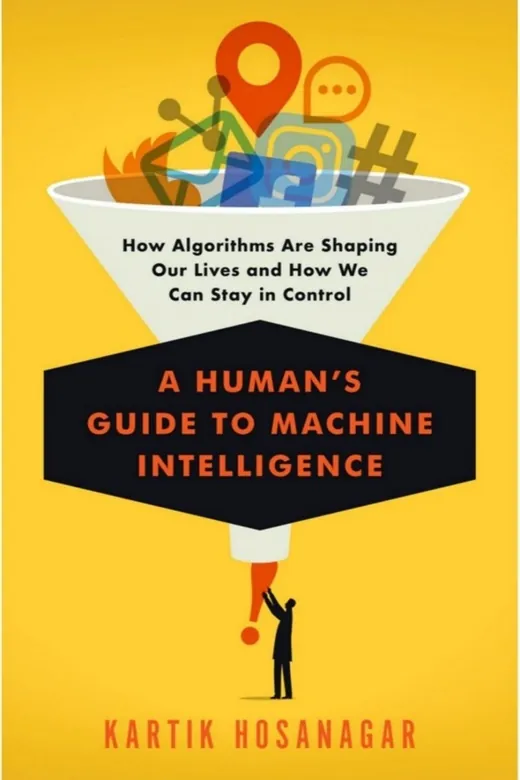
A Human's Guide to Machine Intelligence
Algorithms now shape what we buy, read and believe, so how do they work, why do they surprise us, and how can we stay in charge?
 Knowingo
Algorithms now shape what we buy, read and believe, so how do they work, why do they surprise us, and how can we stay in charge?
Hosanagar's most debatable proposal is that people can retain meaningful agency while delegating more choices to algorithms. A common objection is that personalization systems learn from hidden data, optimize goals selected by firms, and shape the options users see, so individual control may be more formal than real. Hosanagar responds with a proposed bill of rights built around awareness, explanation, and control, together with stronger organizational accountability. He also shows why publishing source code alone would not solve the problem, since complex models, training data, objectives, and changing environments all affect outcomes. The proposal accepts algorithmic assistance rather than calling for its removal. Its difficulty is enforcement: the book identifies rights users should possess, but rights become effective only when institutions can inspect systems, contest harmful decisions, and impose consequences on organizations that benefit from opacity.
 Abundance: The Future Is Better Than You ThinkPeter H. Diamandis, Steven Kotler
 AI SuperpowersKai Fu Lee
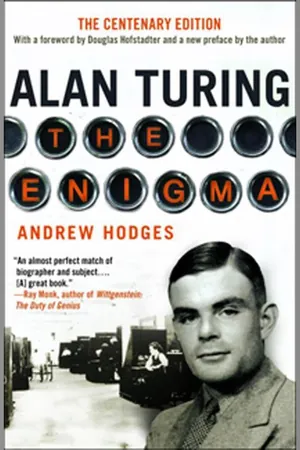 Alan Turing: The Enigma The Centenary EditionHodges, Andrew
 AppleDavid Pogue
 Big Data: A Revolution That Will Transform How We Live, Work, and ThinkViktor Mayer Schönberger, Kenneth Cukier
 Blockchain Revolution: How the Technology Behind Bitcoin Is Changing Money, Business, and the WorldDon Tapscott, Alex Tapscott
 BreakneckDan Wang
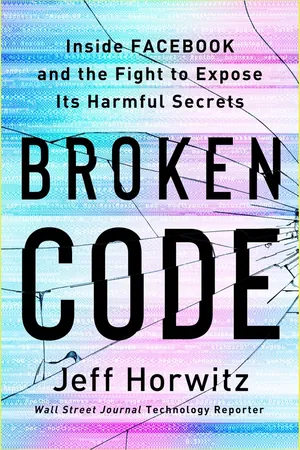 Broken Code: Inside Facebook and the Fight to Expose Its Harmful SecretsJeff Horwitz
 Burn BookKara Swisher
 Character LimitKate Conger, Ryan Mac
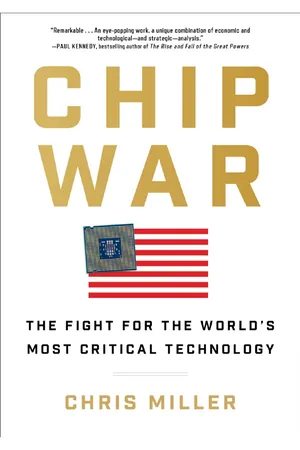 Chip WarChris Miller
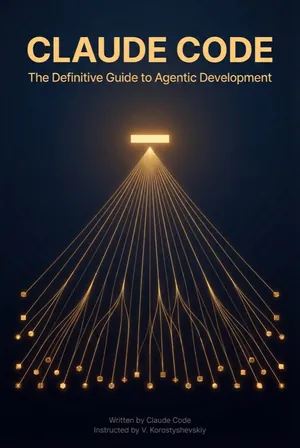 Claude CodeVladimir Korostyshevskiy