Knowingo
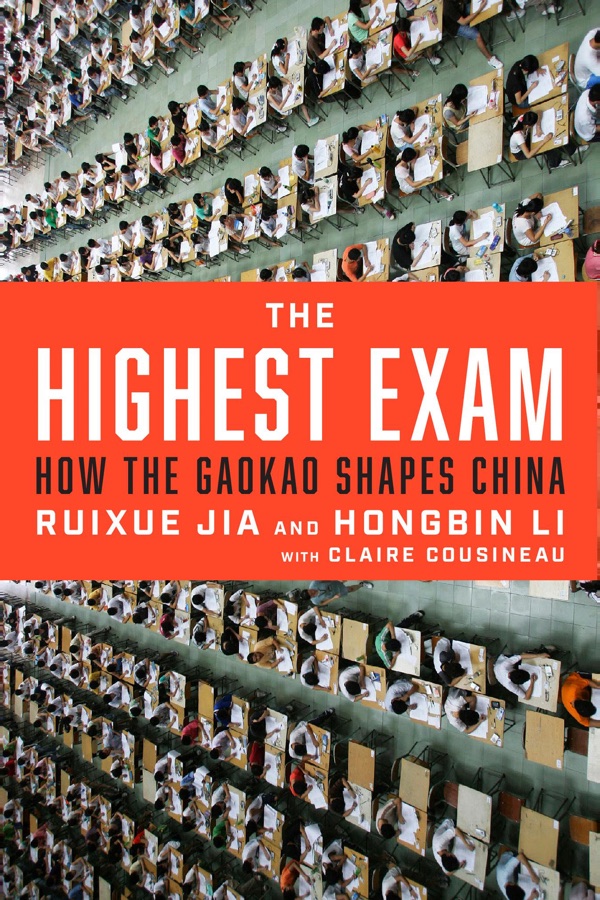
The cover of The Highest Exam

The Highest Exam

Why does one exam rule so many lives in China? Two economists who climbed its ladder show how the gaokao shapes families, politics and the economy, for better and worse.

12 parts, about 24 minutes to read.

Why read it

  • Reads the gaokao as a centralized, hierarchical tournament that shapes jobs, politics and faith in merit across China
  • Helps you see why obsessive exam prep can be a rational choice, and who the hidden rules quietly shut out
  • Two economists who rose through the exam themselves pair their own stories with twin studies, quotas and admission data

Who it is for

  • Parents weighing Chinese and American schooling for their children
  • Educators and policy makers debating admissions and exam reform
  • Readers trying to understand how China picks and rewards talent

What the summary covers

  1. A country governed by exams2 min
  2. Little Li and the ladder of exams2 min
  3. Why the obsession makes sense2 min
  4. Ruixue and the hidden rules3 min
  5. What the gaokao really pays for2 min
  6. The exam as a political tool2 min
  7. Steering talent toward science and technology2 min
  8. Education, growth and innovation2 min
  9. Merit, values and weak institutions2 min
  10. Tournaments across society2 min
  11. The exam empire goes abroad2 min
  12. The authors' reflections1 min

Recommended by

  • Peter HesslerAuthor of River Town and Oracle Bones
    This is an important, thoughtful book.
  • James A. RobinsonNobel laureate in economics and coauthor of Why Nations Fail
    Profound and fascinating in equal measure.
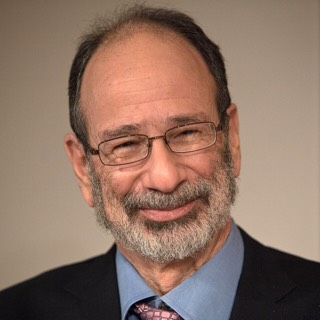
  • Alvin RothNobel laureate and author of Who Gets What and Why
    In this fascinating book, Ruixue Jia and Hongbin Li combine their professional expertise as economists with their personal experiences of studying in China and parenting in the US to examine the Chinese education system
  • Barry NaughtonAuthor of The Chinese Economy
    Drawing on their own life stories, they offer an account that is moving, personal, and often even funny. Highly recommended.
About the authors

  • Ruixue JiaProfessor of economics at UC San Diego
    • Ph.D. in economics from Stockholm University in 2013; M.A. from Peking University in 2007
    • Codirector of the China Data Lab at UC San Diego
    • Research on how power structures evolve and shape economic development
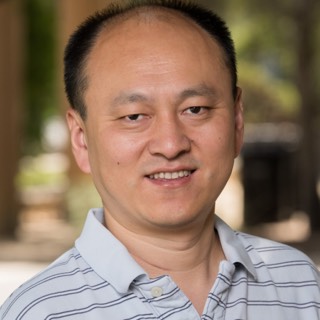
  • Hongbin LiCodirector of Stanford's Center on China's Economy and Institutions; courtesy professor of economics
    • Ph.D. in economics from Stanford in 2001; full professor at the Chinese University of Hong Kong by 2007
    • Taught at Tsinghua University in Beijing 2007 to 2016 as C.V. Starr Chair Professor of Economics
    • Founded the Chinese College Student Survey in 2009 and the China Employer Employee Survey in 2014
  • Claire CousineauWriter and former researcher at Stanford's Center on China's Economy and Institutions
    • Studied and worked in Beijing and Kunming; now pursuing an MBA at Duke University

More books like this