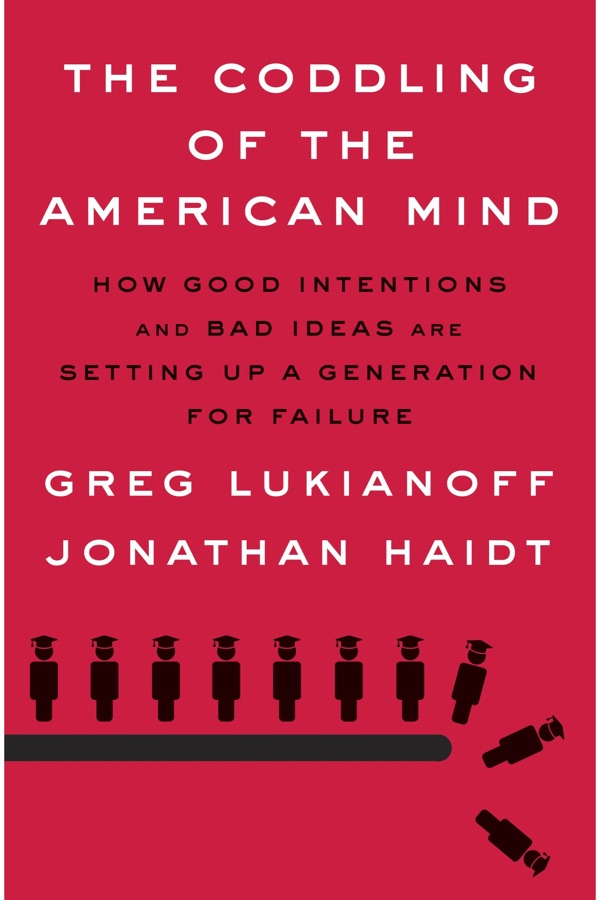
The Coddling of the American Mind
See how three bad ideas about fragility, feelings, and enemies spread among young Americans, and how parents, schools, and universities can raise sturdier, wiser young people.
15 parts, about 32 minutes to read.


See how three bad ideas about fragility, feelings, and enemies spread among young Americans, and how parents, schools, and universities can raise sturdier, wiser young people.
15 parts, about 32 minutes to read.

No one is omniscient or infallible, so a willingness to evaluate new ideas is vital to understanding our world. Yet universities, which ought to be forums for open debate, are developing a reputation for dogmatism and intolerance.

The future of our democracy requires us to understand what’s happening and why—so that we can find solutions and take action. Reading The Coddling of the American Mind is a great place to start.

Our behavior in society is not immune to the power of rational scientific analysis. Through that lens, prepare yourself for a candid look at the softening of America, and what we can do about it.

A compelling and timely argument against attitudes and practices that, however well-intended, are damaging our universities, harming our children and leaving an entire generation intellectually and emotionally ill-prepared for an ever-more fraught and complex world. A brave and necessary work.

Equal parts mental health manual, parenting guide, sociological study, and political manifesto, it points to a positive way forward of hope, health, and humanism. I only wish I had read it when I was still a professor and a much younger mother.
We can talk ourselves into believing that some kinds of speech will shatter us, or we can talk ourselves out of that belief. The authors know the science. We are not as fragile as our self-appointed protectors suppose. Read this deeply informed book to become a more resilient soul in a more resilient democracy.


 Bad TherapyAbigail Shrier
 Battle Hymn of the Tiger MotherAmy Chua
 EducatedTara Westover
 Growing with Your Child for LifeFan Deng
 Robot ProofVivienne Ming
 The Anxious GenerationJonathan Haidt
 The Highest ExamRuixue Jia, Hongbin Li, Claire Cousineau
 The Tyranny of MeritMichael J. Sandel
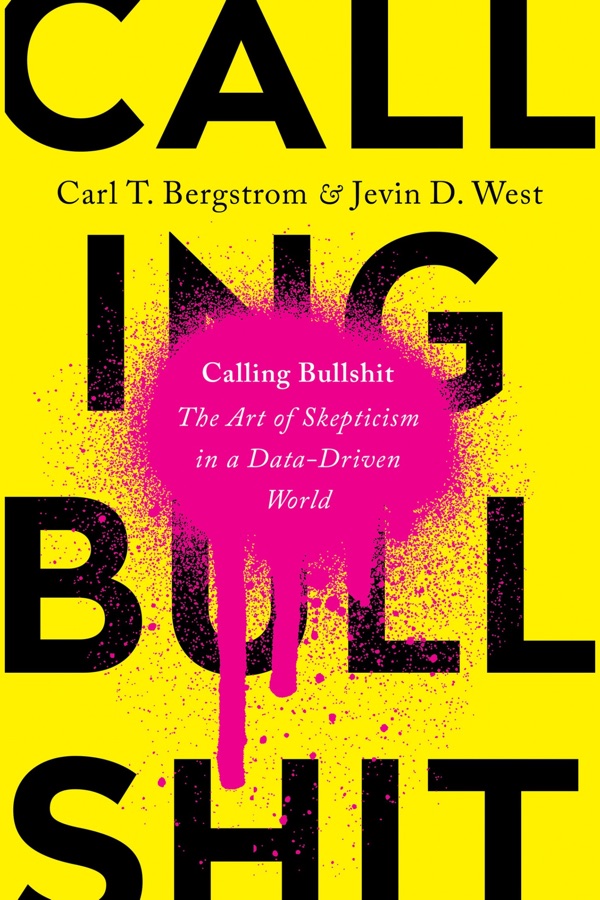 Calling BullshitCarl T. Bergstrom, Jevin D. West
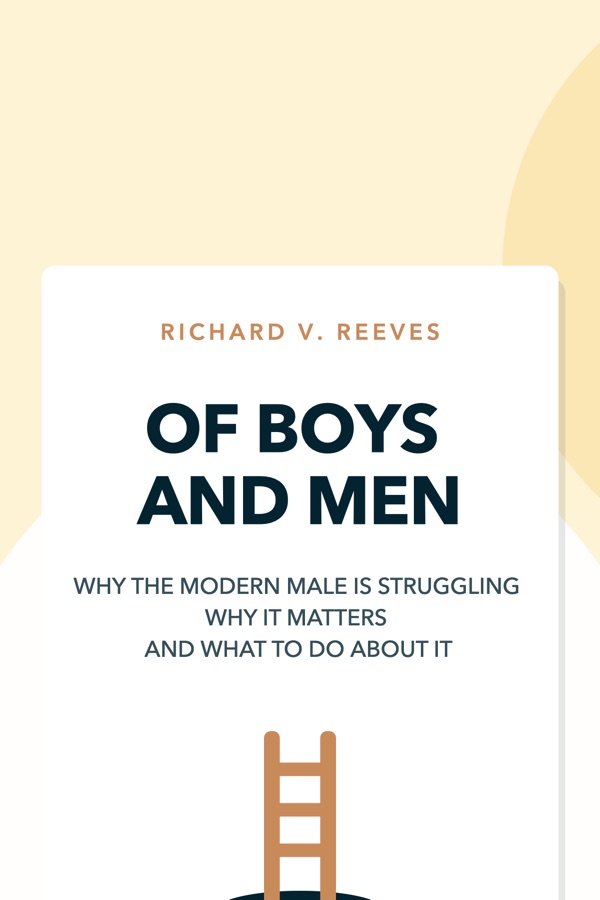 Of Boys and Men: Why the Modern Male Is Struggling, Why It Matters, and What to Do About ItRichard V. Reeves
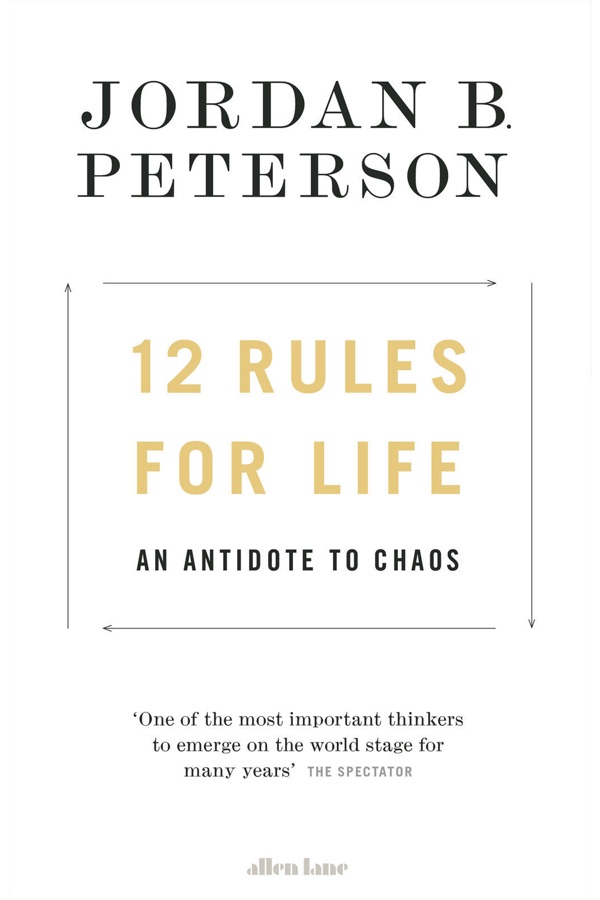 12 Rules for LifeJordan B. Peterson
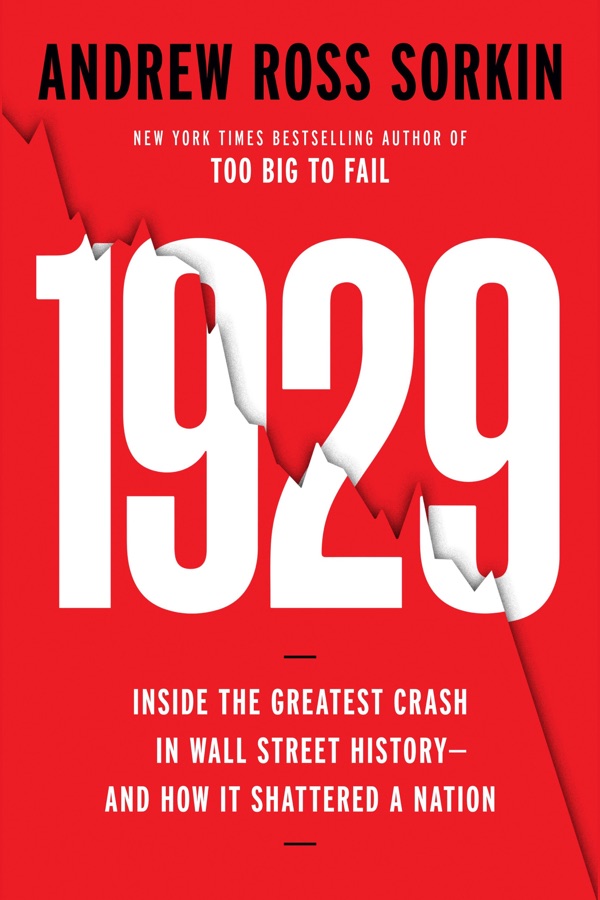 1929Andrew Ross Sorkin