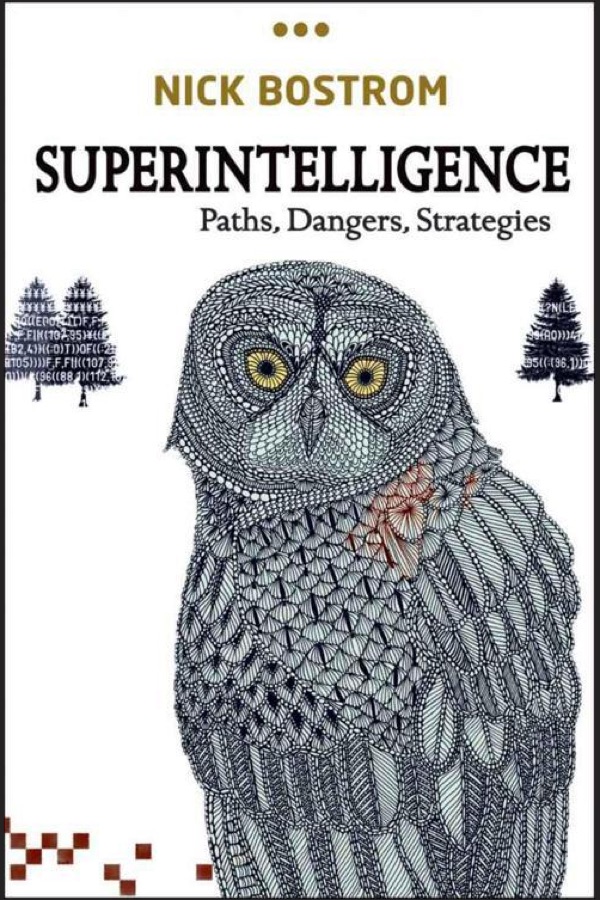
Superintelligence
If machines someday surpass humans in general intelligence, our fate could depend on their goals. How superintelligence might arrive, why controlling it looks quite difficult, and what to do now.
16 parts, about 32 minutes to read.


If machines someday surpass humans in general intelligence, our fate could depend on their goals. How superintelligence might arrive, why controlling it looks quite difficult, and what to do now.
16 parts, about 32 minutes to read.
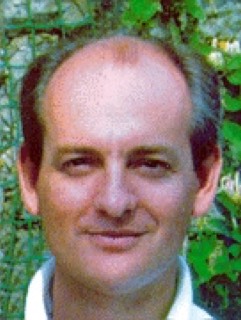
Nick Bostrom makes a persuasive case that the future impact of AI is perhaps the most important issue the human race has ever faced.
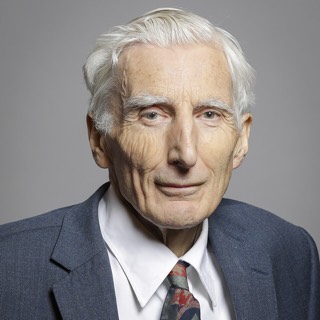
Those disposed to dismiss an 'AI takeover' as science fiction may think again after reading this original and well-argued book.

This superb analysis by one of the world's clearest thinkers tackles one of humanity's greatest challenges: if future superhuman artificial intelligence becomes the biggest event in human history, then how can we ensure that it doesn't become the last?

If this book gets the reception that it deserves, it may turn out the most important alarm bell since Rachel Carson's Silent Spring from 1962, or ever.
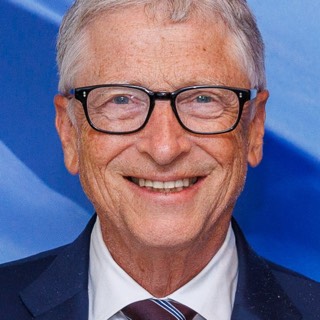
I highly recommend this book.
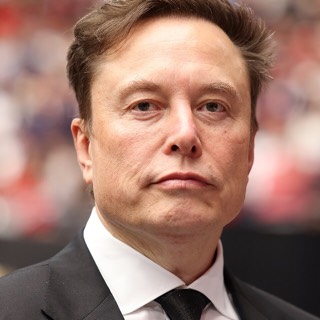
We need to be super careful with AI. Potentially more dangerous than nukes
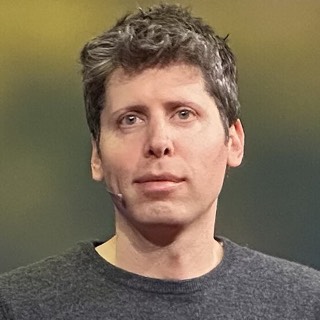
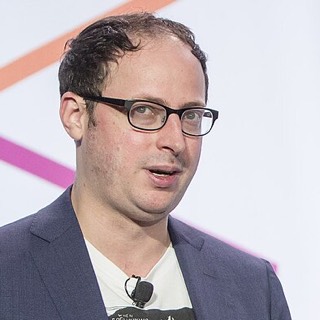
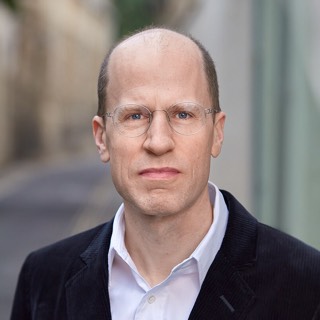
Nick Bostrom sketches an argument for fearing that existential catastrophe is a plausible default outcome of superintelligence, and from an impersonal, secular view ranks reducing existential risk as our principal moral priority; Adam Becker argues the doom case is a hypothetical with several premises and that measurable present harms should not lose moral weight.
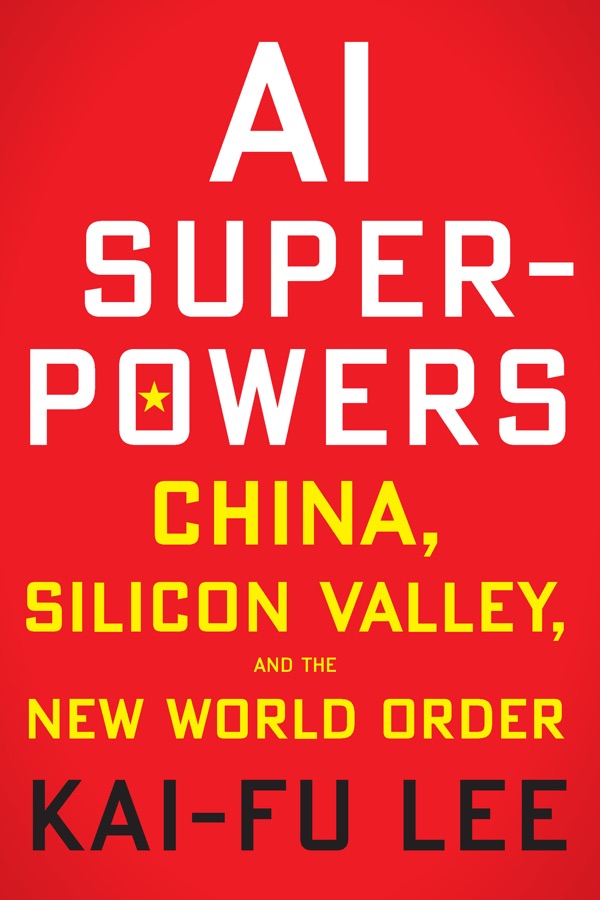 AI SuperpowersKai Fu Lee
 AppleDavid Pogue
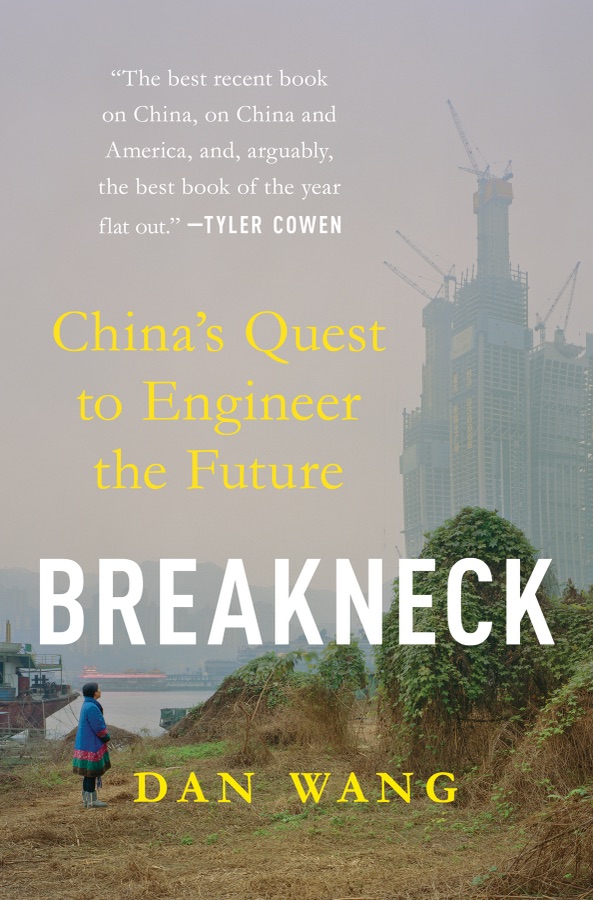 BreakneckDan Wang
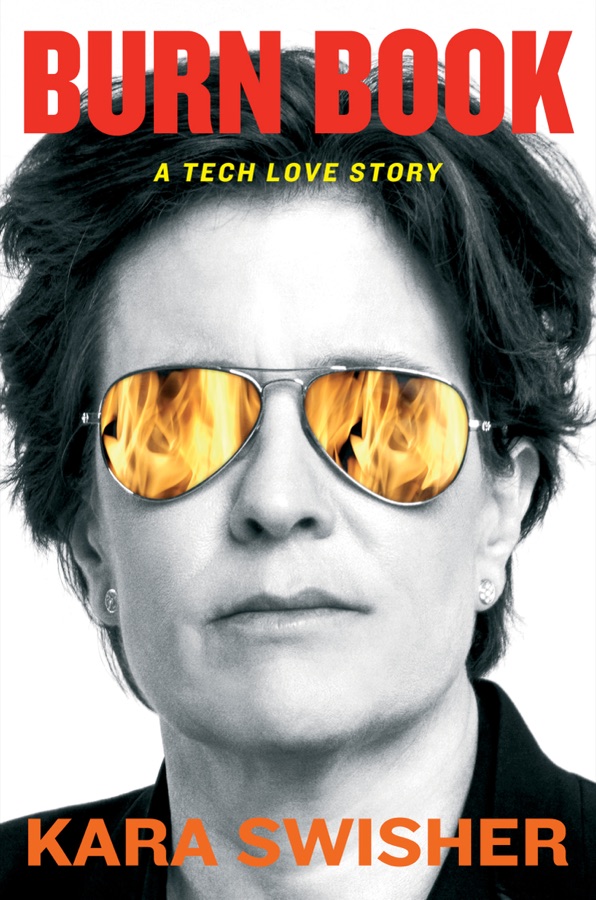 Burn BookKara Swisher
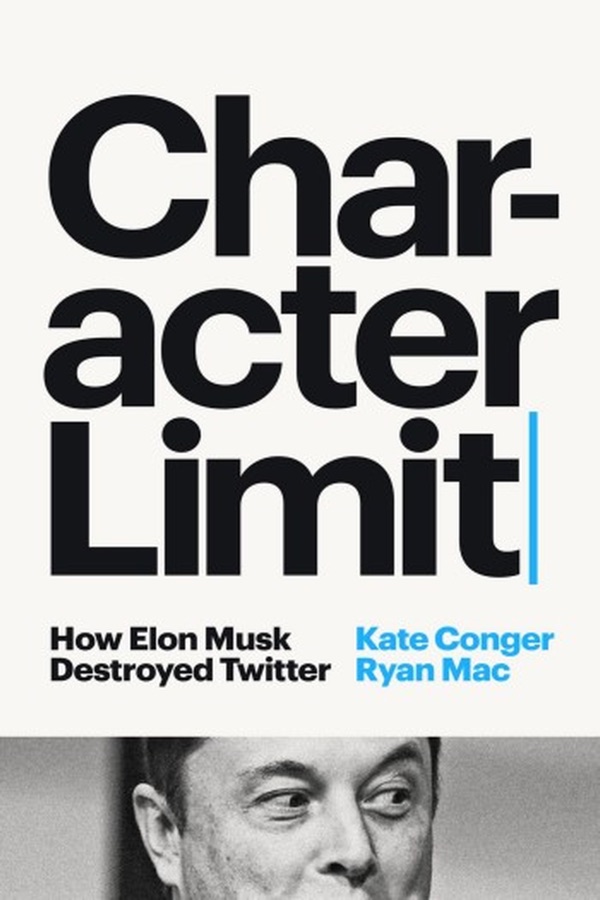 Character LimitKate Conger, Ryan Mac
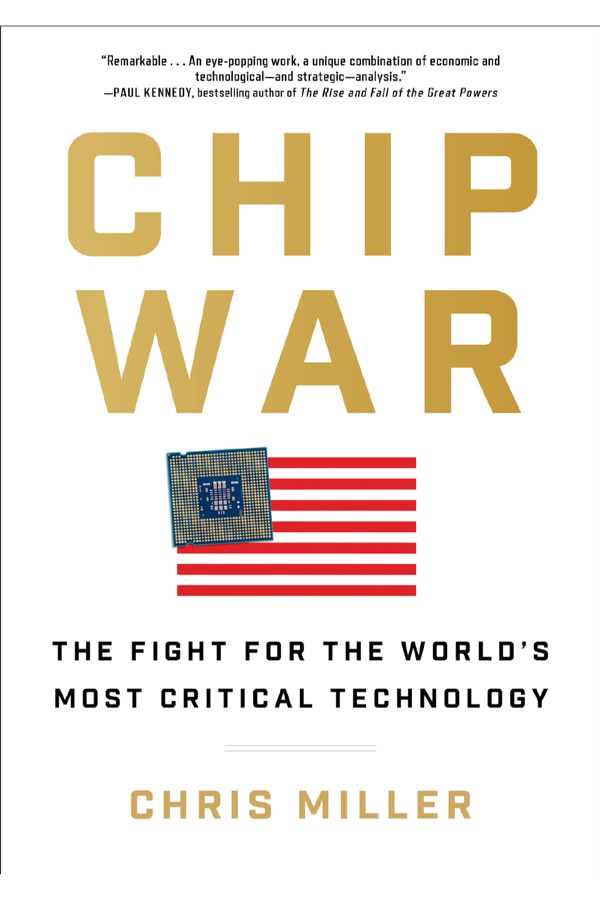 Chip WarChris Miller
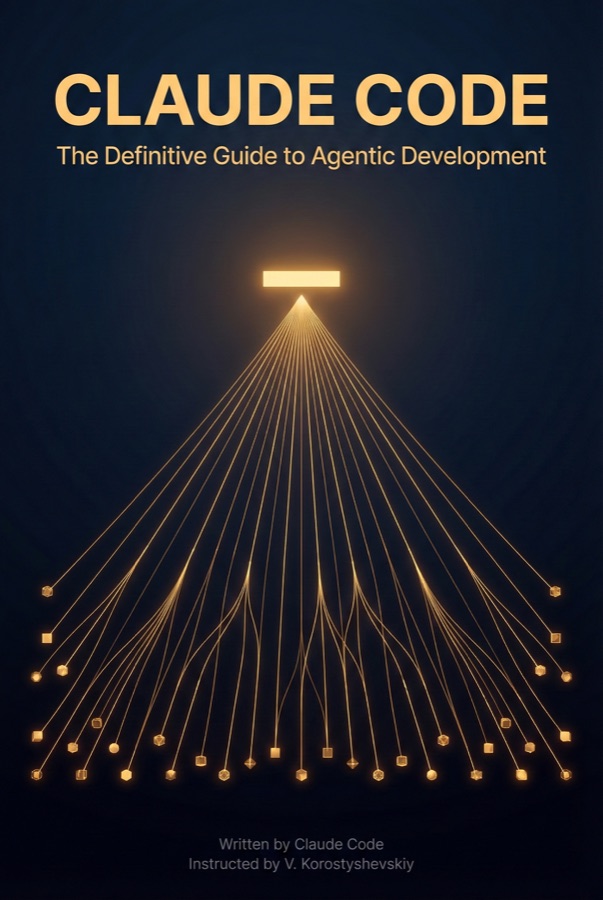 Claude CodeVladimir Korostyshevskiy
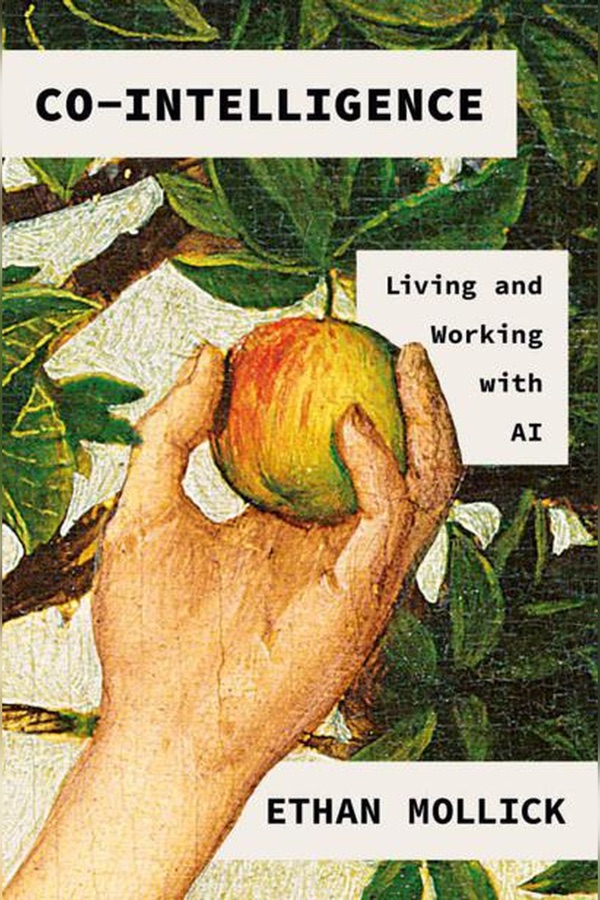 Co IntelligenceEthan Mollick
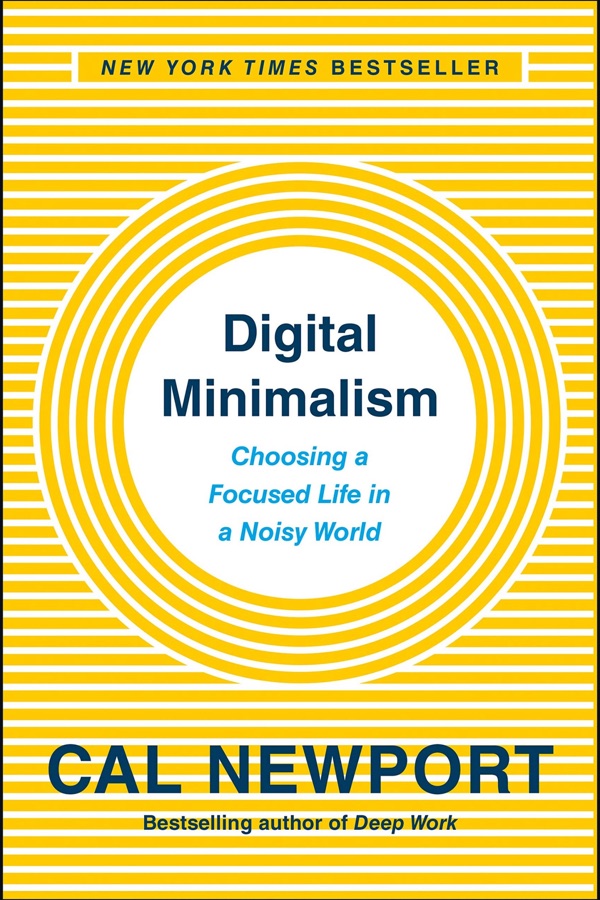 Digital Minimalism: Choosing a Focused Life in a Noisy WorldCal Newport
 Empire of AIKaren Hao
 EnshittificationCory Doctorow
 Every Screen on the PlanetEmily Baker White