Knowingo
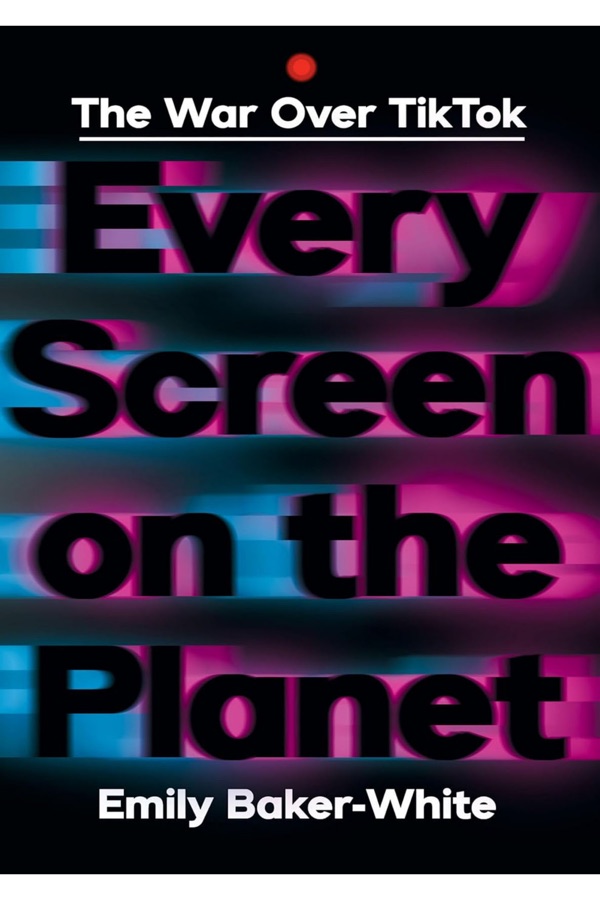
The cover of Every Screen on the Planet

Every Screen on the Planet

See how TikTok's irresistible feed became a geopolitical battleground over data, speech, ownership, and the future of AI.

10 parts, about 26 minutes to read.

Why read it

  • See how human curators boosted videos the For You feed then learned from, and how acquisitions and paid marketing seeded its early rise
  • Follow Project Texas, the plan to wall off US user data, and why a surveillance incident involving journalists broke trust in it
  • Trace how Congress, the courts and two presidents shaped the sell or ban law and its reprieves, and why AI comes next

Who it is for

  • Readers trying to understand why TikTok became a national security fight
  • Creators and marketers whose livelihoods depend on one platform's survival
  • Policy watchers weighing data security promises from foreign owned platforms

What the summary covers

  1. Cyber Sovereignty Meets the For You Feed2 min
  2. The Algorithm Was Built by People3 min
  3. Entertainment Becomes Political Infrastructure2 min
  4. COVID Turns Scale into Leverage4 min
  5. Project Texas Promises Separation3 min
  6. The Surveillance Incident Breaks Trust2 min
  7. Congress Chooses Law Over Negotiation4 min
  8. The Next Screen Is AI2 min
  9. Contingency, Courts, and Users2 min
  10. Two Governments Now Hold the Switch2 min

Recommended by

  • Chris MillerAuthor of Chip War
    A must-read account from a heroic reporter who has taken on the world's most dangerous tech company

About the author

  • Emily Baker WhiteTechnology reporter at Forbes, formerly at BuzzFeed News
    • Her TikTok reporting won the 2024 Impact Award for Distinguished Financial Journalism from the New York Financial Writers' Association.
    • Her TikTok coverage also earned a 2022 honorable mention in the SABEW Best in Business awards.
    • Before becoming a journalist she earned a law degree at Harvard Law School and practised criminal defence law.
    • She led the Plain View Project, a multi year investigation into police misconduct on Facebook.
    • She covered TikTok at BuzzFeed News before reporting on it at Forbes.
    • Her articles showed that TikTok's Chinese owners had regularly accessed the private data of its US users.
    • Political leaders in the US, UK, Australia and New Zealand often cited her articles as they moved to reduce their exposure to TikTok.
    • After her reporting revealed that Chinese engineers could access Americans' private information, a team of employees used the app to track her location, which triggered a criminal investigation.

More books like this