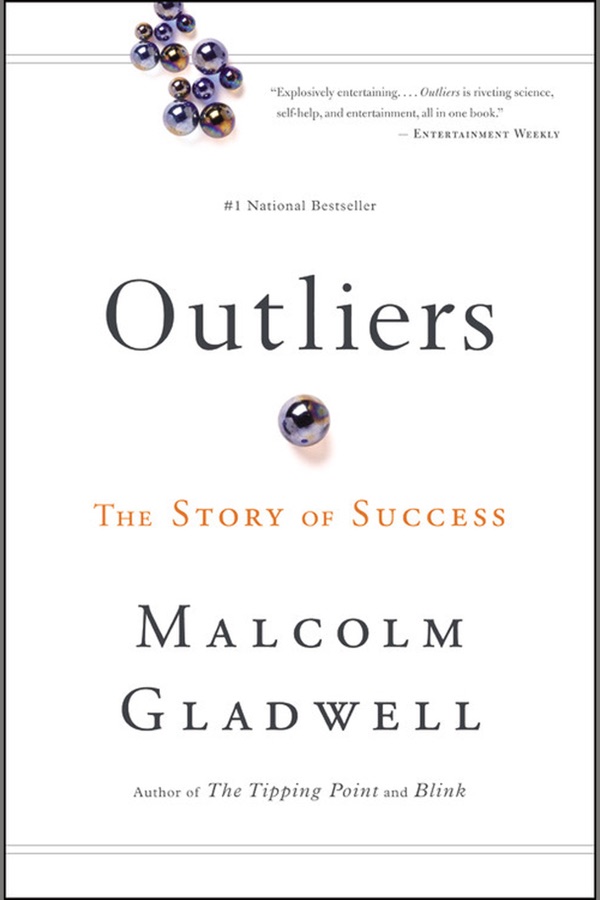
Outliers
No one makes it alone. Birth dates, lucky opportunities and inherited cultural habits explain why some people rise, and why talent by itself is never enough.
11 parts, about 23 minutes to read.


No one makes it alone. Birth dates, lucky opportunities and inherited cultural habits explain why some people rise, and why talent by itself is never enough.
11 parts, about 23 minutes to read.

Malcolm Gladwell argues hidden advantages help explain who succeeds and suggests grouping by birth month. Adam Grant argues selectors can weigh performance in context, improvement over time, work samples and second chances.
Malcolm Gladwell writes that researchers see ten thousand hours as the magic number for true expertise, and counts the Beatles' Hamburg nights toward it. Anders Ericsson says the figure was only an average with nothing magical about it, and that performing is not deliberate practice.
Malcolm Gladwell says reaching ten thousand hours young takes, for most people, a special program or extraordinary opportunity, and that hockey boys picked early get two or three times the practice and pull ahead. David Epstein says eventual elites typically did less deliberate practice early and sampled widely before narrowing.
 12 Rules for LifeJordan B. Peterson
 Atomic HabitsJames Clear
 Deep WorkCal Newport
 Four Thousand WeeksOliver Burkeman
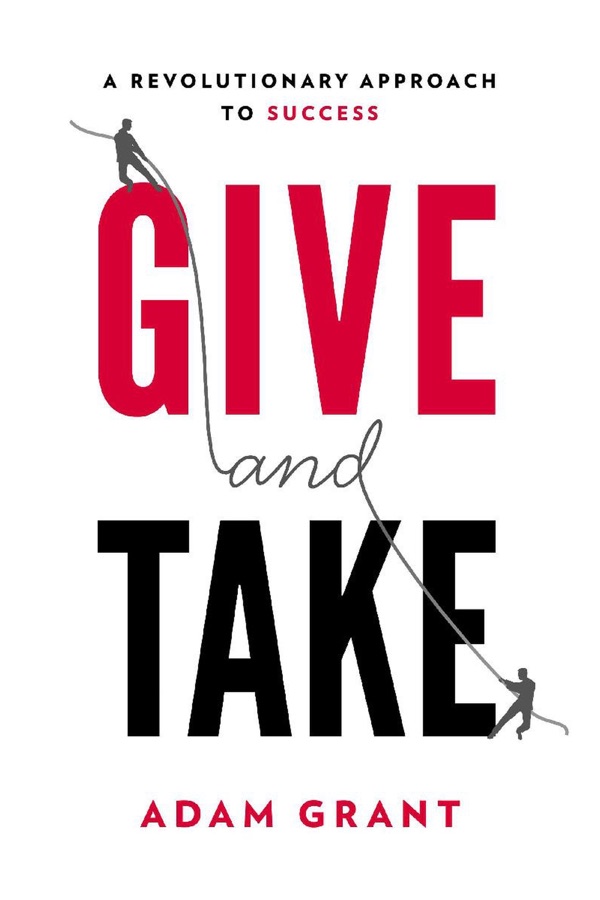 Give and Take: A Revolutionary Approach to SuccessAdam Grant
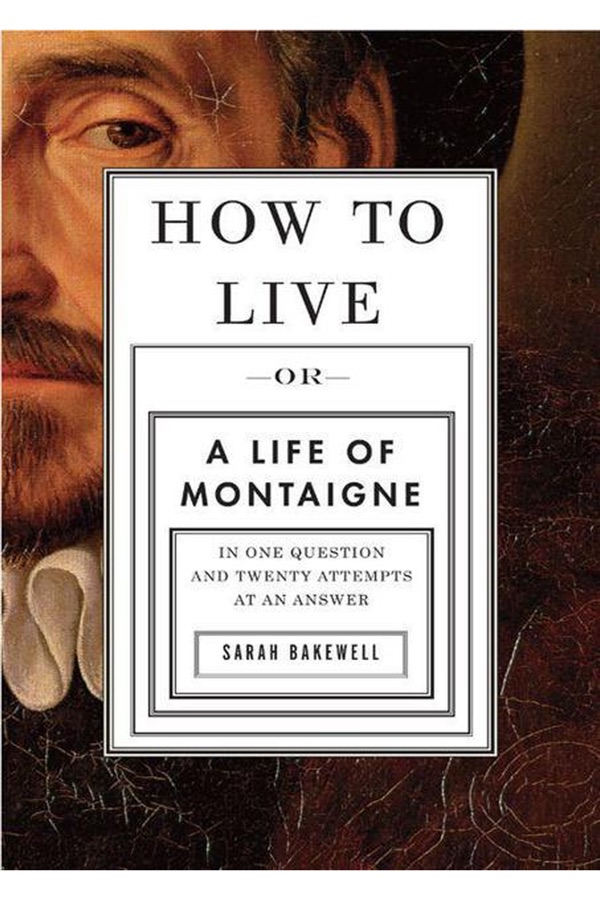 How to LiveSarah Bakewell
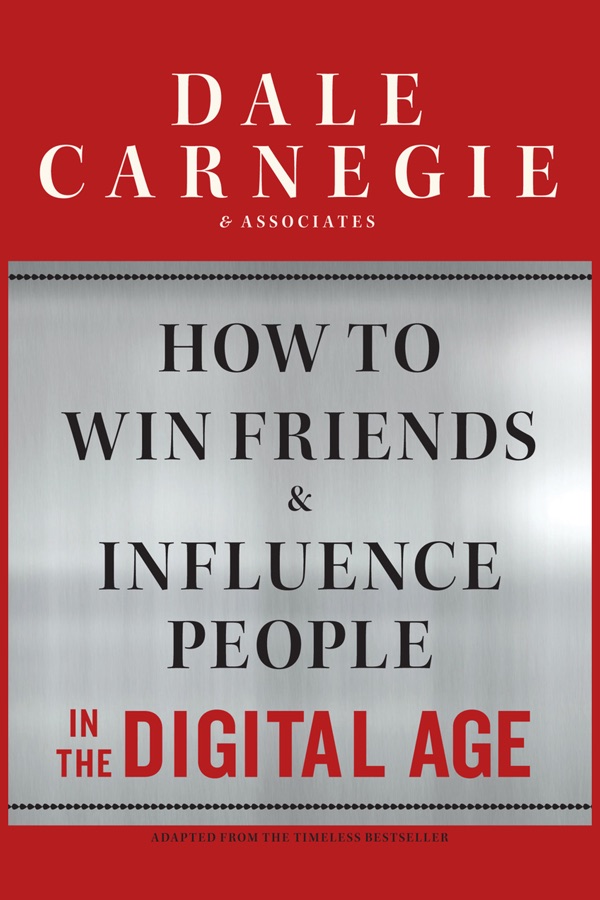 How to Win Friends and Influence People in the Digital AgeBrent Cole
 Leonardo da VinciWalter Isaacson
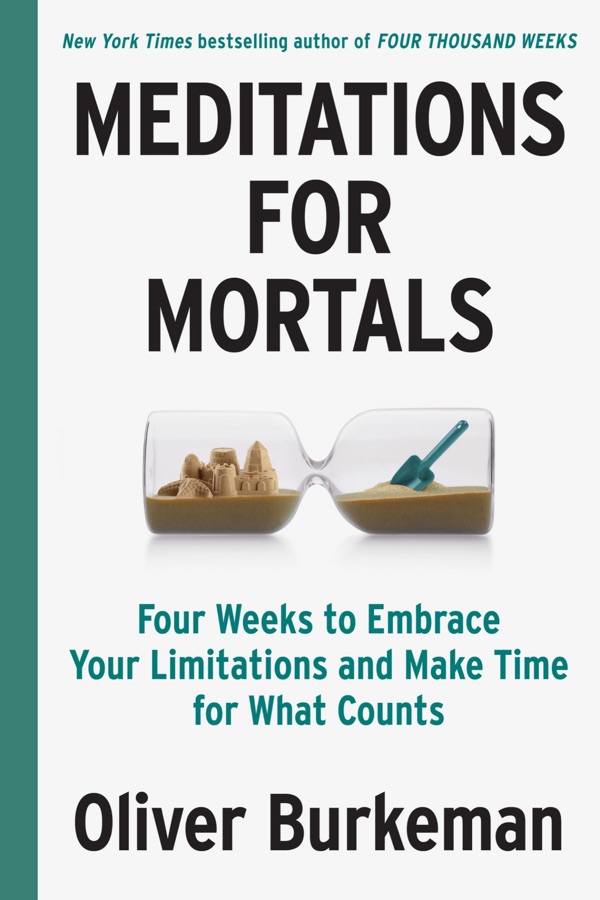 Meditations for MortalsOliver Burkeman
 PeakAnders Ericsson, Robert Pool
 RangeDavid Epstein
 Same as EverMorgan Housel